Europe is still getting the better end of the transatlantic bargain because the July 2025 EU-US trade pact has so far capped the damage from Washington’s new tariff wave, leaving the bloc with more predictable access to the world’s biggest consumer market than many rivals.
EU Tariff Predictability Supports Relative Equity Case

That matters because tariffs are no longer a one-off headline risk; they are becoming a structural tax on trade, supply chains and corporate margins. For Europe, the key economic prize is not a boom in exports so much as relative stability. In a world where the US is layering duties of 10% to 25% on a range of imports and renegotiating trade relationships country by country, preserving the 15% ceiling agreed in the deal gives European manufacturers, industrials and exporters something rare: visibility.
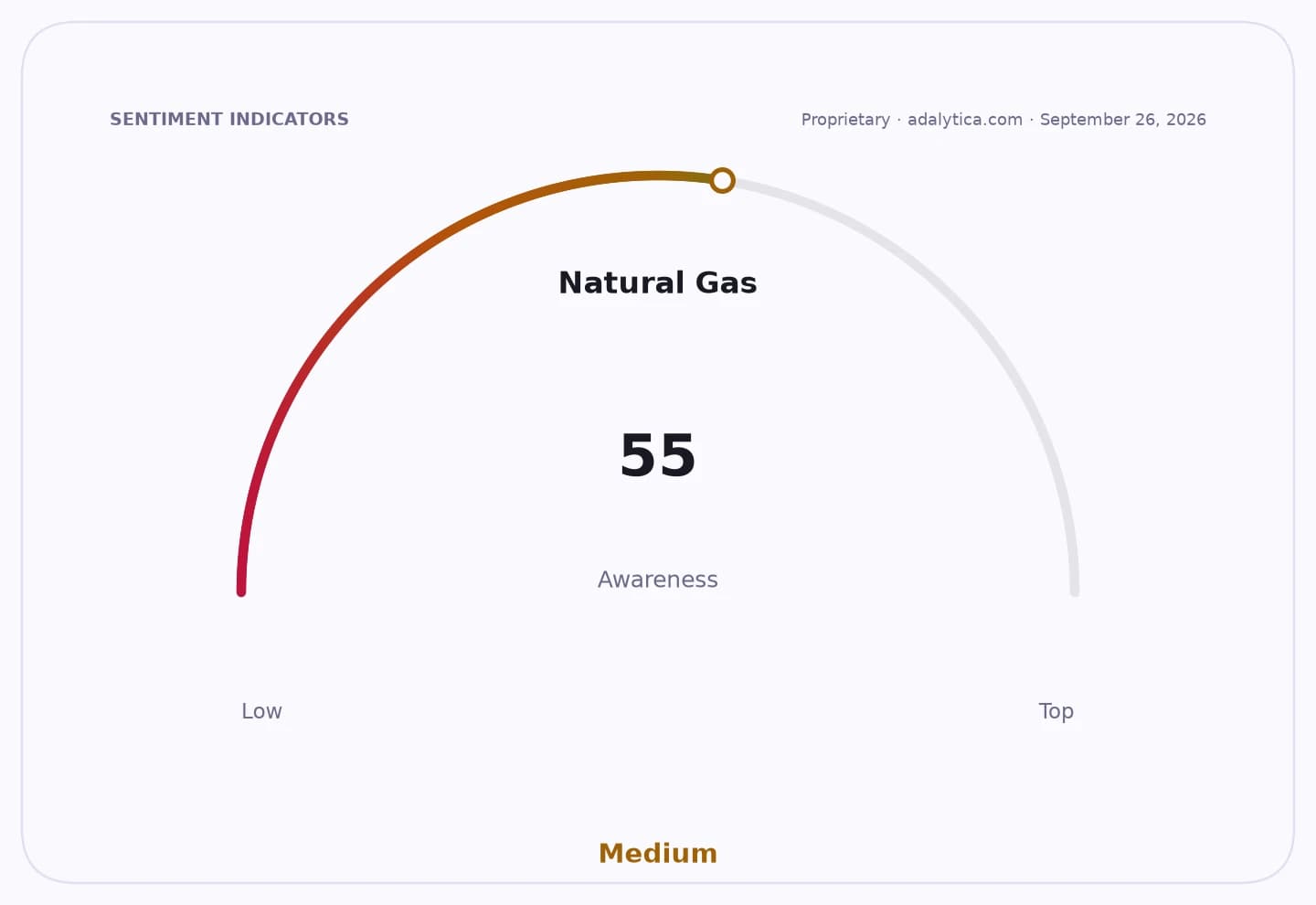
Sentiment IndicatorsⓘProprietary · adalytica.com · July 27, 2026
This is a snapshot — live sentiment, awareness and momentum for 130+ markets update continuously in the dashboard.Open AlphaPulse
The market is starting to price that distinction. Germany-focused EWG has recovered from a sharp spring selloff and is trading around 41.69, back near its 50-day moving average of 41.56 after briefly sliding to 37.45 in March, when its RSI readings showed deeply oversold conditions. The UK ETF EWU is stronger, but the key point for investors is that Europe’s export complex is not being treated as uniformly broken by trade turbulence. Instead, the market is sorting winners and losers by tariff exposure, supply-chain flexibility and pricing power.
The relative case for Europe versus Britain has also improved. EU officials are openly arguing that the latest US tariff regime may even strengthen the bloc’s competitive position against the UK, where policy leverage is thinner and trade defenses are less coordinated. That is the kind of second-order effect investors often miss: a tariff shock does not hit all developed markets equally, and the bloc that can negotiate, absorb and pass through costs best tends to win share over time.
The bigger macro backdrop reinforces the thesis. The 10-year US Treasury yield is pushing toward 4.75%, signaling a world of tighter financing conditions, while Adalytica’s US dollar trade signals show extreme fear around the greenback. A weaker, more volatile dollar is usually a mixed blessing for Europe, but in the current setup it reduces the pressure on euro-area exporters and supports the case for selective international cyclicals. At the same time, global stability sentiment remains in fear territory, a reminder that trade friction is feeding broader geopolitical risk premia.
For investors, the opportunity is in the parts of Europe that can turn tariff uncertainty into pricing power: German industrial exporters, logistics and automation names, and ETFs such as EWG and EWU for broader exposure. The market underestimates how much value comes from simply being less exposed than the next guy when the policy regime shifts from free trade to managed friction.
My view is that the EU-US deal’s most important legacy is not what it promised on day one, but what it has shielded Europe from one year later. In a tariff world, predictability is alpha. If the US keeps widening its trade restrictions, Europe’s relative advantage should widen too — and that is exactly the kind of asymmetry investors should be positioning for now.
| Entity | Gains | Losses |
|---|---|---|
| EU exporters | ▲Tariff cap and visibility | ▼Less access than under free trade |
| UK exporters | ▲Limited relative advantage | ▼Competitive pressure from EU |
| US importers | ▲Some supply-chain certainty | ▼Higher input costs |
| EWG/EWU investors | ▲Relative policy shelter | ▼Volatile trade headlines |