Europe is preparing a more formal strategic partnership with Ukraine, with Brussels looking to accelerate Kyiv’s accession path, deepen energy ties and line up fresh financial support even as the EU remains divided on the broader political endgame.
EU Prepares Formal Ukraine Partnership
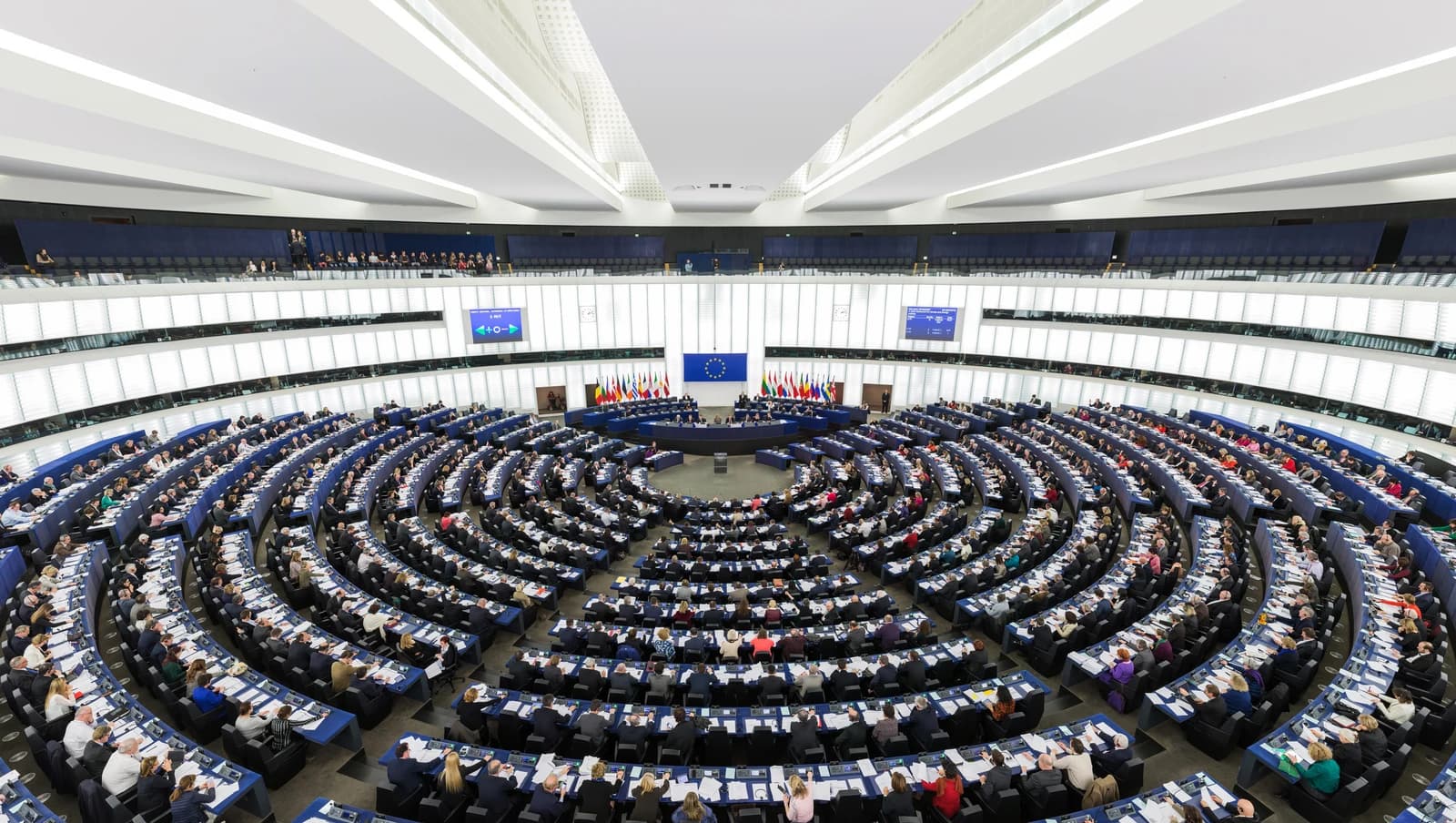
That matters because the next phase of backing for Ukraine is shifting from ad hoc crisis aid to a more structured economic and energy framework. If the EU can turn that intent into policy, it would give Kyiv greater visibility on financing, help integrate its power market with Europe and strengthen the long-term case for rebuilding trade, infrastructure and industrial capacity around Ukraine’s eventual EU alignment.
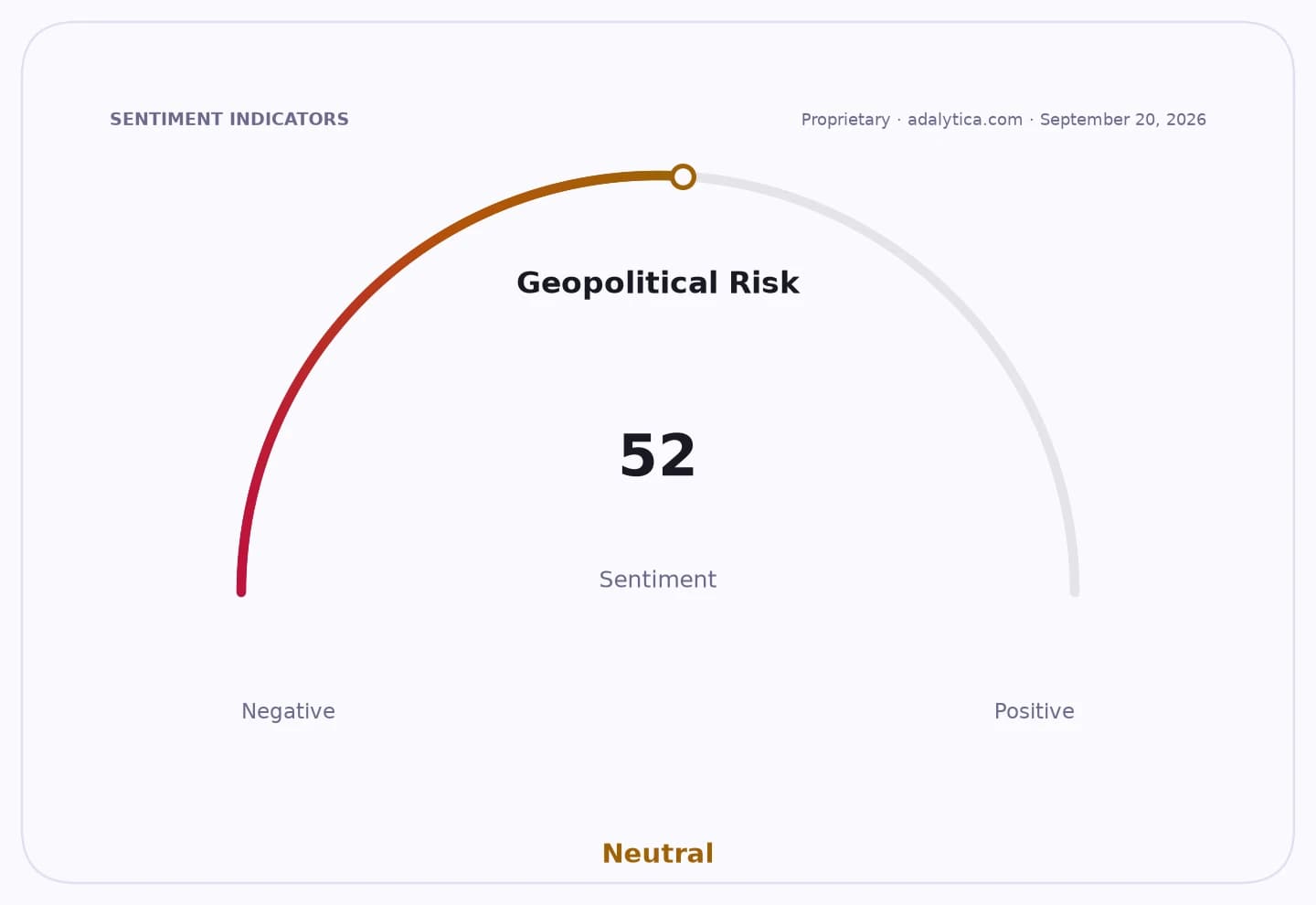
Sentiment IndicatorsⓘProprietary · adalytica.com · October 19, 2026
This is a snapshot — live sentiment, awareness and momentum for 130+ markets update continuously in the dashboard.Open AlphaPulse
Petras Auštrevičius, a Lithuanian member of the European Parliament, said European partners are focused on “practical” steps to speed Ukraine’s eurointegration, especially in energy, and are searching for resources to sustain financial assistance. He said there is already a preliminary concept laying out how the plan could be implemented step by step, underscoring that this is no longer just rhetoric but an attempt to build an operational roadmap.
The timing is important. EU leaders have not yet reached full agreement on the next political steps for Ukraine, and the bloc’s internal splits over budget priorities, migration and energy policy remain a constraint. But Brussels has already approved opening two new accession negotiation chapters tied to market and growth, showing that the enlargement track is still moving even without a sweeping breakthrough at the summit level.
For investors, the implication is that Ukraine exposure is becoming less of a binary wartime trade and more of a medium-term reconstruction and integration theme. The beneficiaries are likely to be European utilities, grid equipment makers, energy infrastructure suppliers, logistics firms and contractors positioned for cross-border investment. The laggards are those tied to a prolonged status quo of fragmented support, delayed rebuilding and unresolved energy dependence.
That is why the energy angle matters most. Faster integration with the EU’s energy market would support capital spending on transmission, generation, interconnectors and storage, while also reinforcing Europe’s broader push to reduce strategic dependence on Russian hydrocarbons. Former British defense secretary Ben Wallace’s comment that Europe may have to absorb some fuel-market pain to enable Ukrainian strikes on Russian refineries only highlights how security and energy policy are now converging.
The market is still underpricing how large this opportunity could become. Europe’s political hesitation has kept expectations muted, but the strategic direction is clear: more institutional support, more energy alignment and more funding channels. For investors looking for asymmetric exposure, the best setup remains the companies and funds tied to European infrastructure, defense-adjacent rebuilding and the long-duration modernization of Ukraine’s economy.
| Entity | Gains | Losses |
|---|---|---|
| Ukraine | ▲Faster EU integration | ▼Policy uncertainty |
| EU utilities and grid suppliers | ▲More infrastructure demand | ▼Delayed projects if talks stall |
| European taxpayers and budgets | ▲Strategic security gains | ▼Higher funding burden |
| Russian energy exporters | ▲— | ▼Weaker leverage and demand |