The European Union denied it withdrew support for a disinformation conference in Vilnius because of pressure from Washington, after reports said Brussels and other backers had pulled out following objections to a panel that cast the United States as an information-threat to Europe.
EU denies pressure over Vilnius disinfo conference
The dispute matters because it sits at the intersection of transatlantic politics, free-speech debates and Europe’s efforts to build a policy response to foreign information manipulation. If EU institutions are seen as reshaping or abandoning events at the request of the U.S. government, it would feed criticism that anti-disinformation work is being politicized. If, instead, the EU is distancing itself because the programme strayed from its official positions, it underscores how sensitive Brussels has become to language that could be read as endorsing accusations against allies.
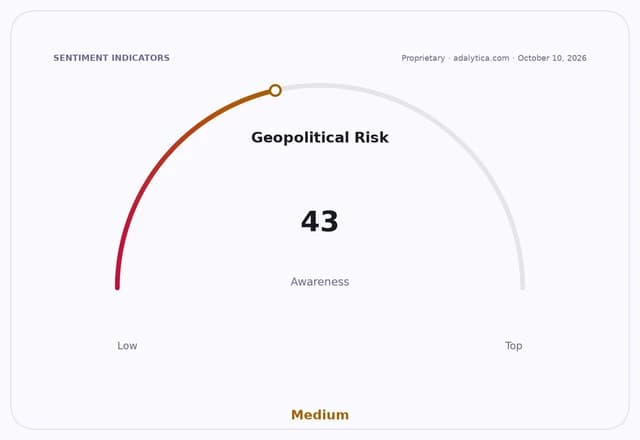
Sentiment IndicatorsⓘProprietary · adalytica.com · October 10, 2026
This is a snapshot — live sentiment, awareness and momentum for 130+ markets update continuously in the dashboard.Open AlphaPulse
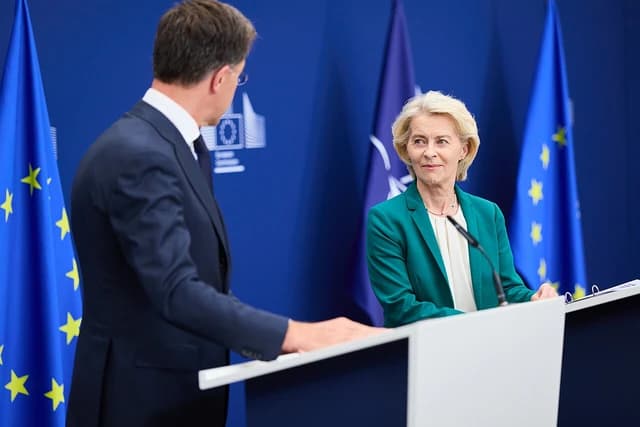
European Commission and diplomatic service officials said the logo of the EU’s diplomatic arm, the European External Action Service, was removed because of disagreement with how some discussion topics were framed, not because of outside pressure. EU spokesman Christian Wigand said organisers had presented some sessions in a way that did not align with official EU positions, without specifying which panels prompted concern or saying whether Washington had been consulted.
The conference, Disinfo2026, is taking place in Vilnius on Wednesday and Thursday. One advertised panel was titled “The U.S. as a FIMI threat: recognize, adapt, push back,” using the EU’s term for foreign information manipulation and interference. The description said it would examine how the United States had allegedly become a “threat to Europe” in disinformation terms.
That framing goes to the core of a long-running rift between Brussels and Washington over how to fight disinformation. U.S. officials have often accused European efforts in this area of edging toward censorship, while EU institutions argue they are trying to protect democratic debate from coordinated manipulation. A conference session explicitly portraying the U.S. as a threat would be politically combustible at a moment when Europe is also trying to preserve unity with Washington on security and Ukraine.
For investors, the issue is less about the conference itself than about the policy temperature it reflects. Higher transatlantic friction can complicate EU-U.S. cooperation on technology regulation, platform oversight and digital policy, areas that affect major social media and online advertising companies as well as broader cross-border compliance costs. It also shows how quickly information-policy debates can spill into diplomacy, creating headline risk for companies and institutions operating in both jurisdictions.
The episode is unlikely to move markets directly, but it reinforces a broader pattern: Europe is tightening the framing of anti-disinformation policy even as it tries to avoid a public rupture with its closest security partner. That balance will remain delicate as Brussels faces pressure to police online manipulation without appearing to adopt rhetoric that targets allied governments.
| Entity | Gains | Losses |
|---|---|---|
| EU institutions | ▲Distance from anti-U.S. rhetoric | ▼Criticism over political sensitivity |
| US government | ▲Avoids formal EU endorsement of critical panel | ▼Faces renewed scrutiny in Europe |
| Conference organizers | ▲Attention for event | ▼Funding and credibility concerns |
| Tech platforms/regulators | ▲Clearer policy boundaries | ▼More transatlantic compliance friction |