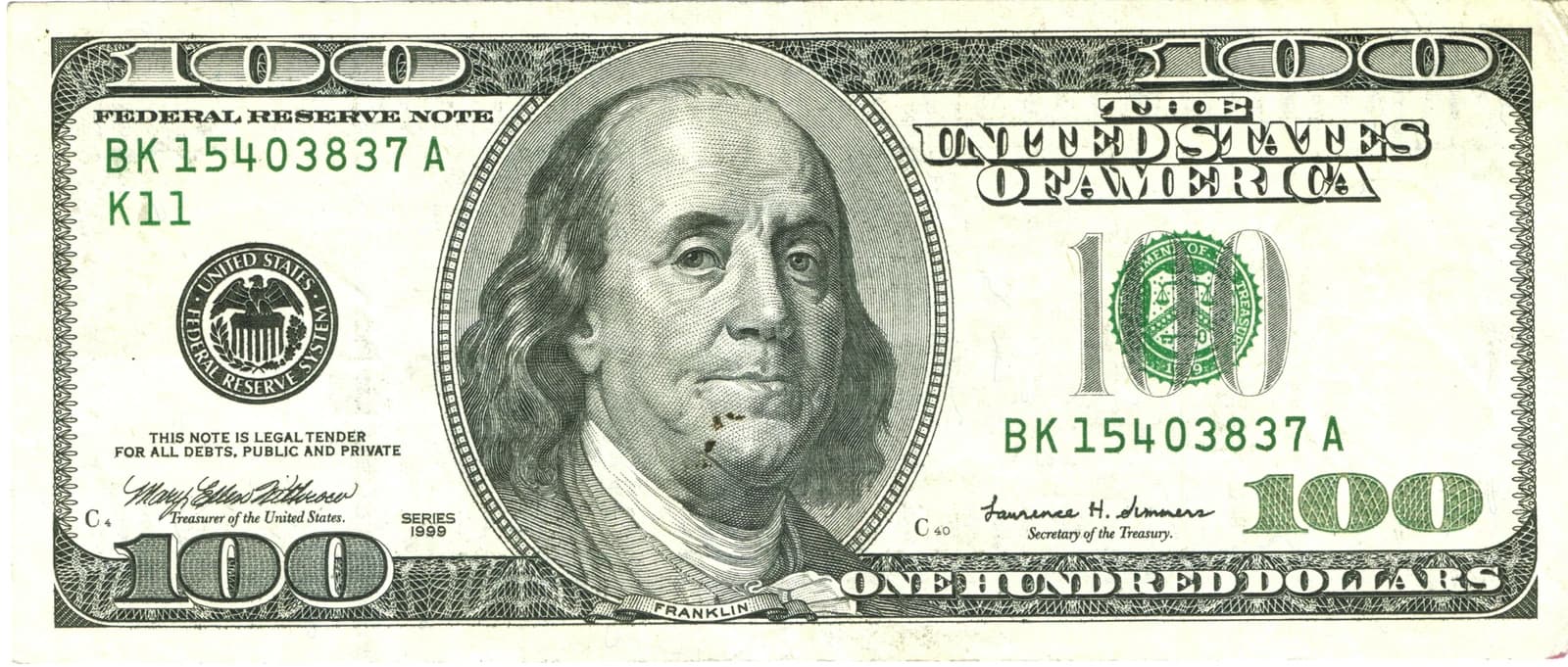
EUR/USD is trying to claw back losses overnight, but the bigger story is that the dollar’s recent surge is running into a widening wall of valuation and rate expectations. The pair is still pinned near 1.10, yet the move matters because it signals the market is no longer treating the greenback’s yield advantage as enough on its own to sustain another leg higher.
EUR/USD Rebounds Near 1.10 as Dollar Rally Slows
US Dollar
That matters economically because the currency backdrop feeds directly into imported inflation, cross-border capital flows and the cost of funding for global borrowers. The U.S. 10-year Treasury yield has eased only slightly to about 5.075% from 5.12% earlier in the week, while the federal funds rate is expected around 3.89% for November, leaving real policy still restrictive but not obviously re-accelerating. In Europe, the euro remains under pressure from slower growth and energy sensitivity, but the overnight rebound suggests traders are starting to question whether that weakness is already priced in.
Sentiment Indicators
For investors, the implication is straightforward: the dollar trade looks crowded, and crowded trades tend to crack first when momentum fades. That is reflected in Adalytica’s US dollar trade signal, which shows sentiment at an extreme-fear reading of 4 even as awareness remains elevated, a combination that often appears late in a trend. At the same time, EUR/USD technicals are stabilizing after a sharp slide: the pair has hovered around 1.10, with the 50-day and 200-day moving averages above spot and the RSI still weak but no longer collapsing, a setup that argues for a tradable rebound rather than a clean trend reversal.
The market is also being pushed and pulled by broader risk cues. Adalytica’s global stability gauge sits in fear territory, while FX volatility remains elevated enough to keep traders defensive. That backdrop usually favors the dollar at first, but when volatility stops rising and rate differentials stop widening, the next move can be a squeeze rather than a continuation.
This is why the overnight recovery in EUR/USD matters beyond a simple bounce. It keeps alive the possibility that the dollar’s advance is nearing exhaustion while the euro is still cheap enough to attract tactical capital. If U.S. yields plateau and the Fed’s tightening cycle is seen as close to done, the path of least resistance may shift from dollar strength to dollar consolidation. For investors, that argues for paying attention to euro exposure now, not after the crowd starts reaching for the same rebound.
| Entity | Gains | Losses |
|---|---|---|
| Euro bulls | ▲Short-covering rebound | ▼Trend-following dollar longs |
| U.S. dollar | ▲Still has rate support | ▼Momentum and crowded positioning |
| European exporters | ▲Weaker euro boosts competitiveness | ▼Importers face higher costs |
| FX volatility sellers | ▲Range trading opportunities | ▼Breakout traders seeking trend continuation |