Variable-rate mortgage holders across the euro zone are getting a reprieve as Euribor drifts lower, easing pressure on household finances just as borrowing costs have been squeezing homebuyers and suppressing activity in housing markets.
Euribor Falls, Easing Euro Zone Mortgage Pressure
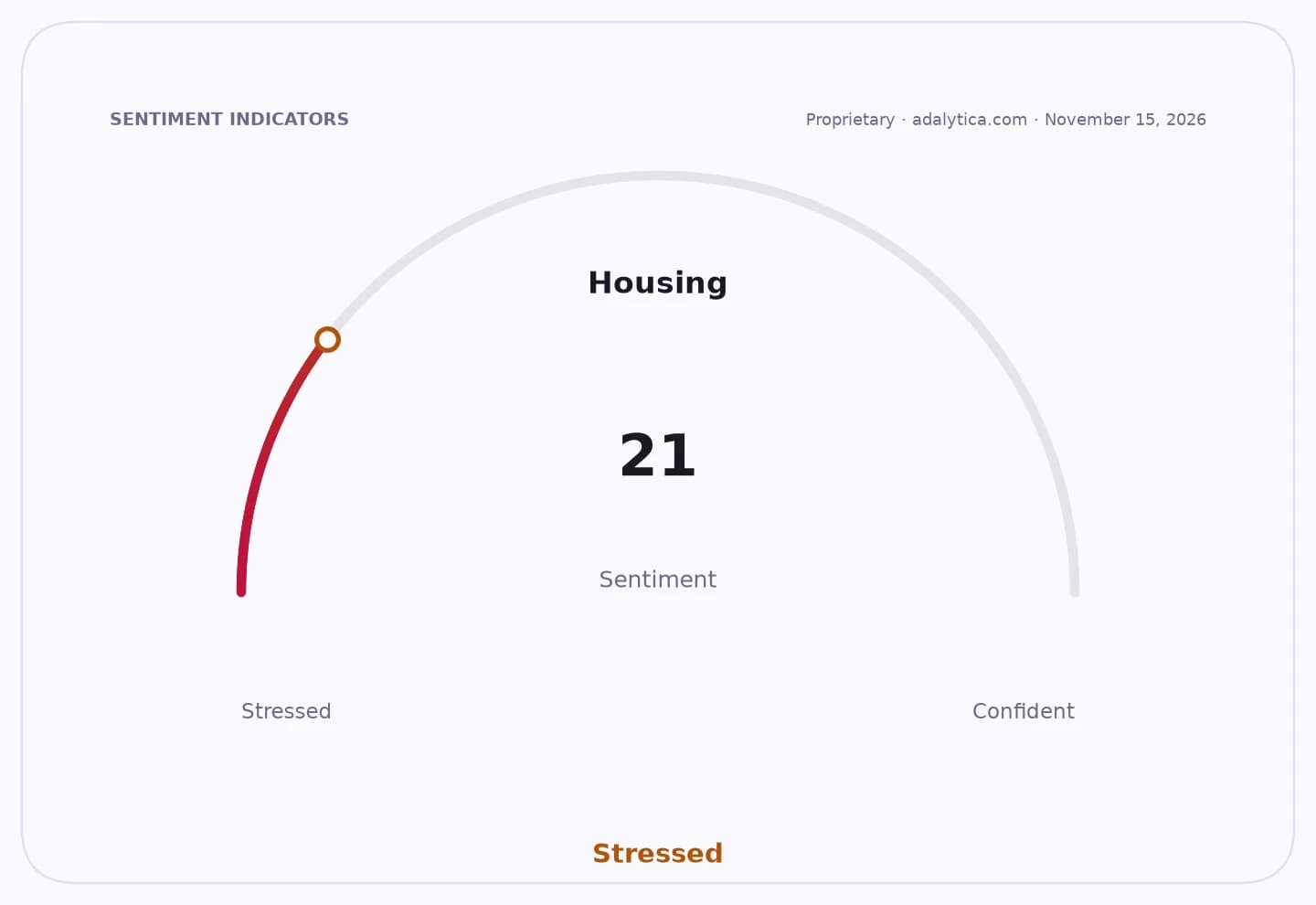
The move matters because Euribor is the benchmark for a large share of floating-rate mortgages in Europe, so even small declines feed directly into monthly repayments. After a sharp run-up in rates that forced many borrowers to absorb higher instalments, the latest turn lower points to a gradual unwind in debt-service stress and could help stabilise demand in residential property.
Sentiment Indicators
That adjustment is consistent with the broader rate backdrop. US Treasury yields have moved higher again, with the 10-year yield at 4.88% and the 2-year/10-year spread positive at 0.27 percentage point, while the Fed funds rate is projected around 3.89%, underscoring that global borrowing conditions remain tighter than the ultra-low-rate era. In Europe, the euro traded around 1.10 against the dollar, reflecting a market still weighing growth and policy divergence. But within the mortgage market, the key development is that floating-rate borrowers are no longer facing the same relentless upward pressure that defined the previous tightening cycle.
For investors, the implications run through banks, housing-linked assets and consumer credit quality. A softer Euribor reduces default risk at the margin for mortgage books and may slow the deterioration in household affordability. It also offers some support to homebuilders, brokers and real estate funds after a period in which transaction volumes and sentiment have weakened. The IYR real estate ETF has recovered to 102.36 after earlier volatility, while Treasury duration remains under pressure, suggesting markets are still sorting out whether rate relief will be enough to revive property demand.
Still, the relief is partial. Mortgage stress remains elevated, and the housing rebound is unlikely to be immediate while rates stay well above the levels that fueled the last cycle of cheap credit. Fixed-rate lenders can still win business from borrowers seeking certainty, while banks with heavier exposure to floating-rate loans may see less margin expansion than during the rate-hike phase.
For now, the key takeaway for borrowers is simpler: variable mortgages are becoming less punishing. For investors, the question is whether lower Euribor is the first sign of a broader easing in European financial conditions or just a pause in a still-tight lending environment.
| Entity | Gains | Losses |
|---|---|---|
| Variable-rate mortgage borrowers | ▲Lower monthly repayments | ▼Less urgency to refinance |
| Euro zone banks | ▲Lower default risk | ▼Slower rate-driven margin boost |
| Homebuyers and housing market | ▲Improved affordability | ▼Still-high financing costs |
| Fixed-rate lenders | ▲More refinancing demand | ▼Compete with easing floating rates |