Fannie Mae’s latest outlook points to a modest easing in mortgage rates by 2027, a shift that matters because the housing market remains trapped between still-restrictive borrowing costs and stubbornly high home prices.
Fannie Mae Forecast Sees Slight Mortgage Rate Relief

The government-backed mortgage finance giant now sees the 30-year fixed mortgage rate averaging about 7.03% in its near-term forecast, down from 7.24% in late October and below the roughly 7.11% reading seen in mid-November. Treasury yields are also edging higher in the near term, with the 10-year note forecast at 5.234%, but the bigger message for housing is that even a small move lower in mortgage costs can change affordability, refinancing demand and transaction volumes.
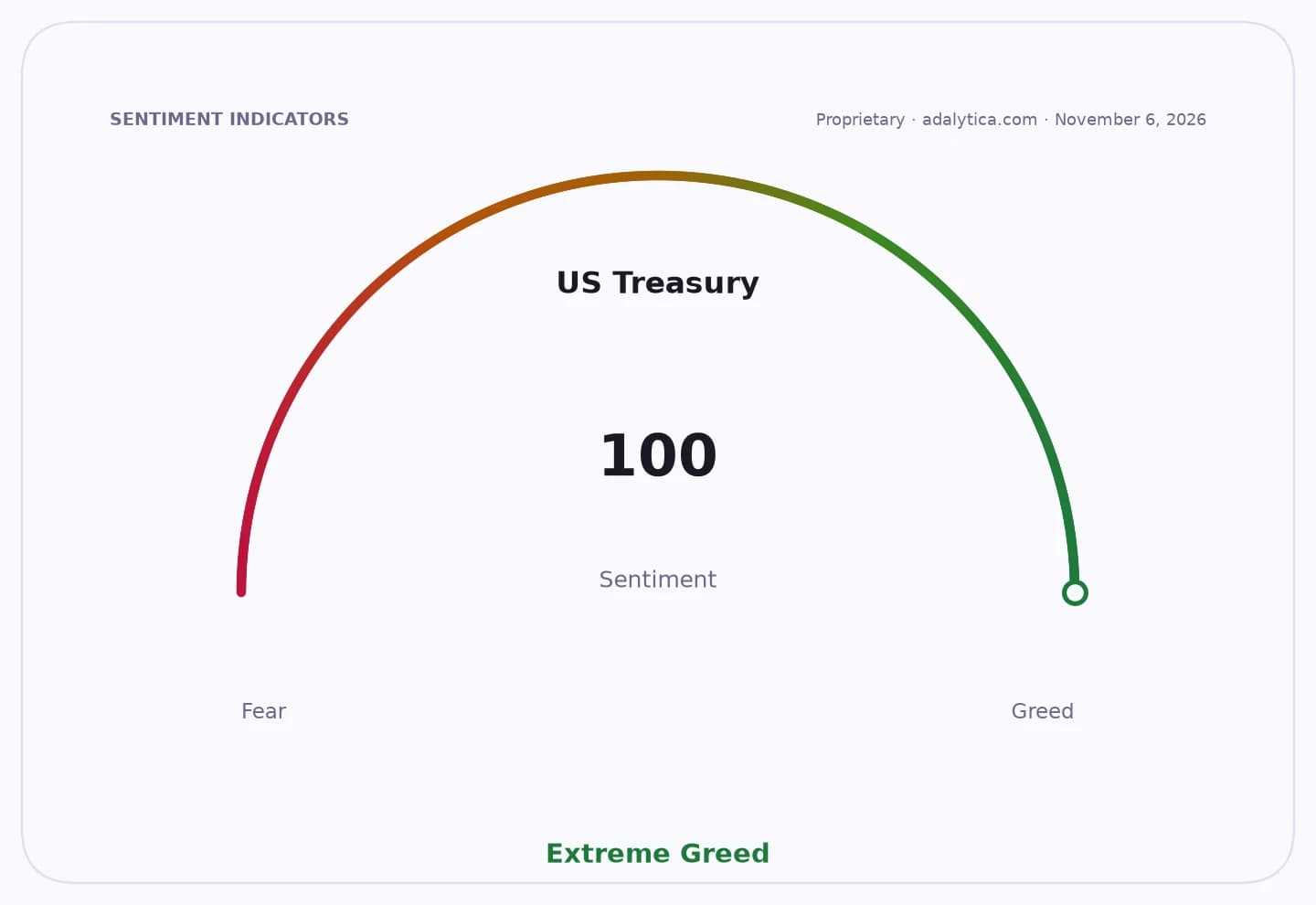
Sentiment Indicators
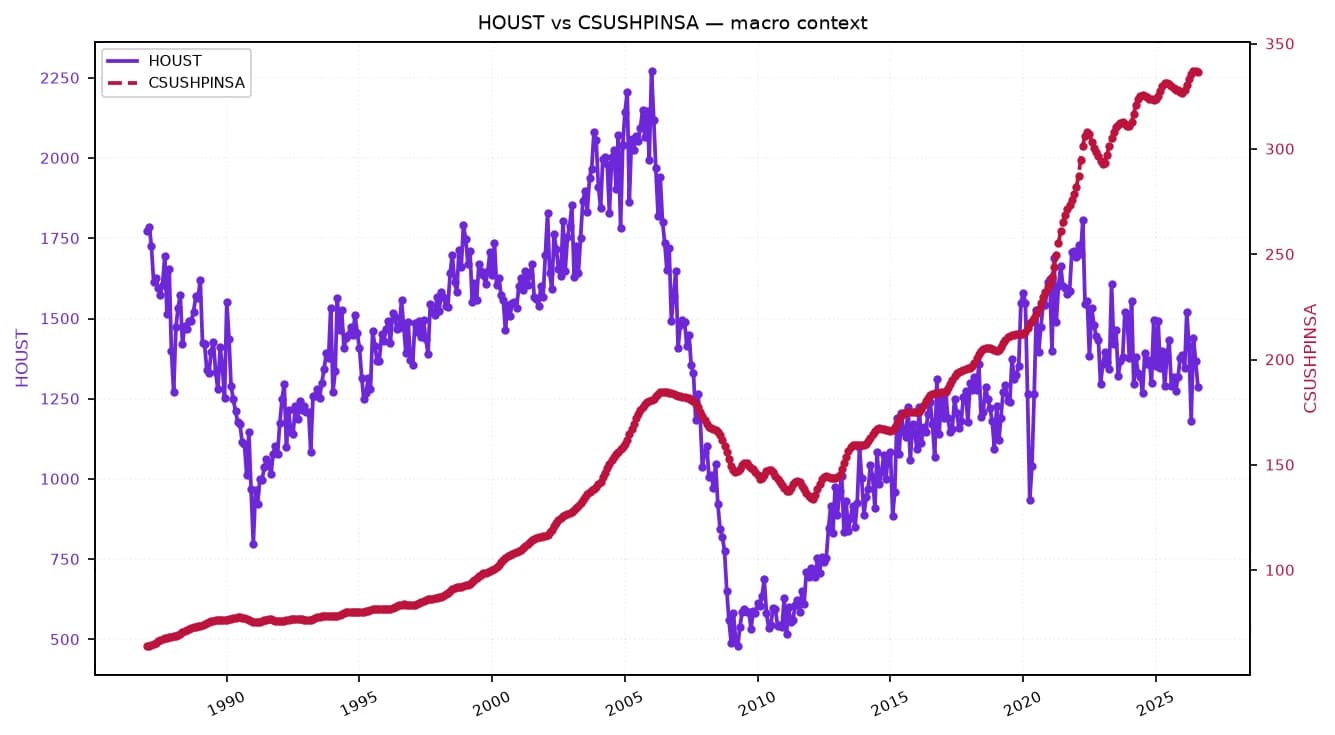
That is why this update matters economically. Home prices are still elevated, with the national home price index at 336.741 in August and forecast to rise to 338.5762 in September, leaving would-be buyers squeezed even if mortgage rates ease. A 7% mortgage is not a normal environment for most households; it is a brake on mobility, first-time buying and turnover. If Fannie’s forecast proves right, the housing market may not suddenly recover, but it could stop deteriorating and begin to regain some footing.
For investors, the implication is not just about homebuilders. It is about the entire mortgage and housing complex: mortgage originators, agency mortgage REITs, title insurers, lenders, building-products suppliers and the home construction ETF ITB. That fund has swung sharply with rate expectations and still sits well below its recent peaks, while Fannie and Freddie shares have also been volatile, reflecting how sensitive the group is to every shift in the rate path. Fannie Mae’s stock closed at $4.12 on Nov. 16, still under its 50-day moving average of $4.50 and far below its 200-day average of $6.22, a sign the market is not pricing in a smooth recovery.
The market’s bigger miss is that housing does not need a rate collapse to improve. It needs a credible direction of travel. As mortgage rates drift lower from restrictive levels, demand can return faster than many expect because the affordability equation is so stretched. That creates an asymmetric setup: even a modest decline in borrowing costs can unlock pent-up demand, while any delay in rate relief keeps transaction volumes subdued and inventory tight.
There is also a tactical angle. Recent trading in housing-related names has been far more volatile than the underlying fundamentals, with indicators like the RSI on Fannie and Freddie bouncing from deeply oversold levels toward neutral as investors try to front-run the next turn in rates. That is not a reason to chase blindly, but it does suggest the sector is highly levered to the next macro surprise. In that environment, the best-positioned investors are the ones who focus on the toll roads of housing — the lenders, mortgage conduits and suppliers that benefit first when financing conditions loosen.
My thesis is straightforward: the market underestimates how much incremental rate relief can matter once home prices stop rising as quickly and buyers regain confidence. Fannie Mae’s revised forecast is not a bullish housing boom call, but it is a reminder that the next major move in housing could come from the bond market, not from a change in homebuilder sentiment. Investors should use this pullback in housing-linked assets to position for a slow but powerful normalization in mortgage demand.
| Entity | Gains | Losses |
|---|---|---|
| Homebuyers | ▲Improved affordability | ▼Less urgency to wait |
| Fannie Mae / Freddie Mac | ▲More mortgage activity | ▼Fewer stressed borrowers if rates stay high |
| Homebuilders / ITB | ▲Better demand recovery | ▼Slower sales if rates remain near 7% |
| Mortgage REITs / lenders | ▲Refinancing and origination tailwind | ▼Spread pressure if rates rise again |