German real estate is turning from a financing drag into a recovery trade as inflation cools and the European Central Bank’s tightening cycle begins to loosen its grip on mortgage rates.
German real estate recovery trade as rates ease

That matters because the sector’s slump was driven less by a collapse in underlying housing demand than by the cost of capital. In 2022, construction loan rates in Germany surged to more than 4%, leaving homebuilders, housing groups and mortgage financiers with sharply worse economics. If borrowing costs fall from those peaks, the sector’s earnings leverage can flip quickly: projects that were uneconomic become financeable again, transaction activity revives and asset values get a cleaner path higher.
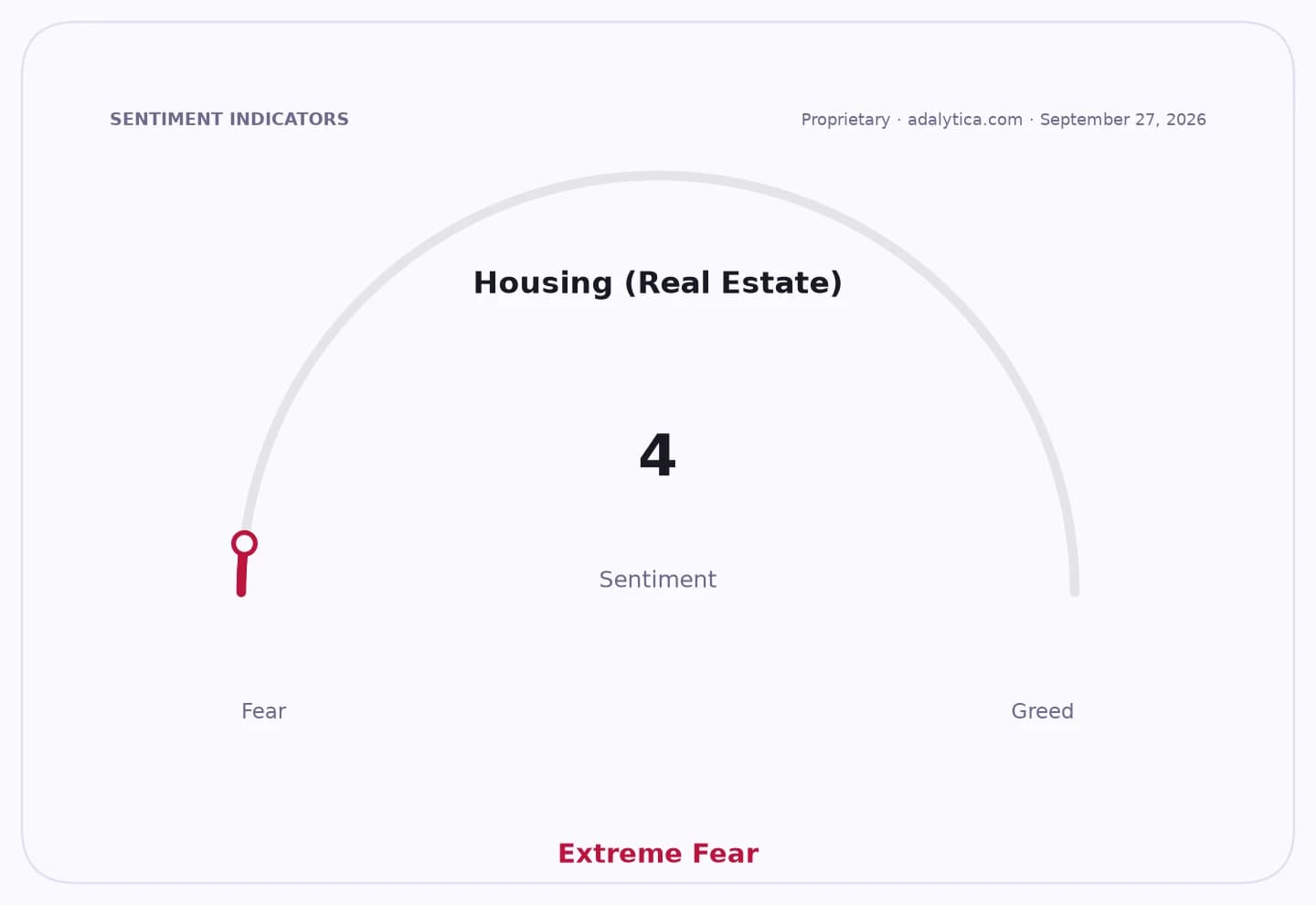
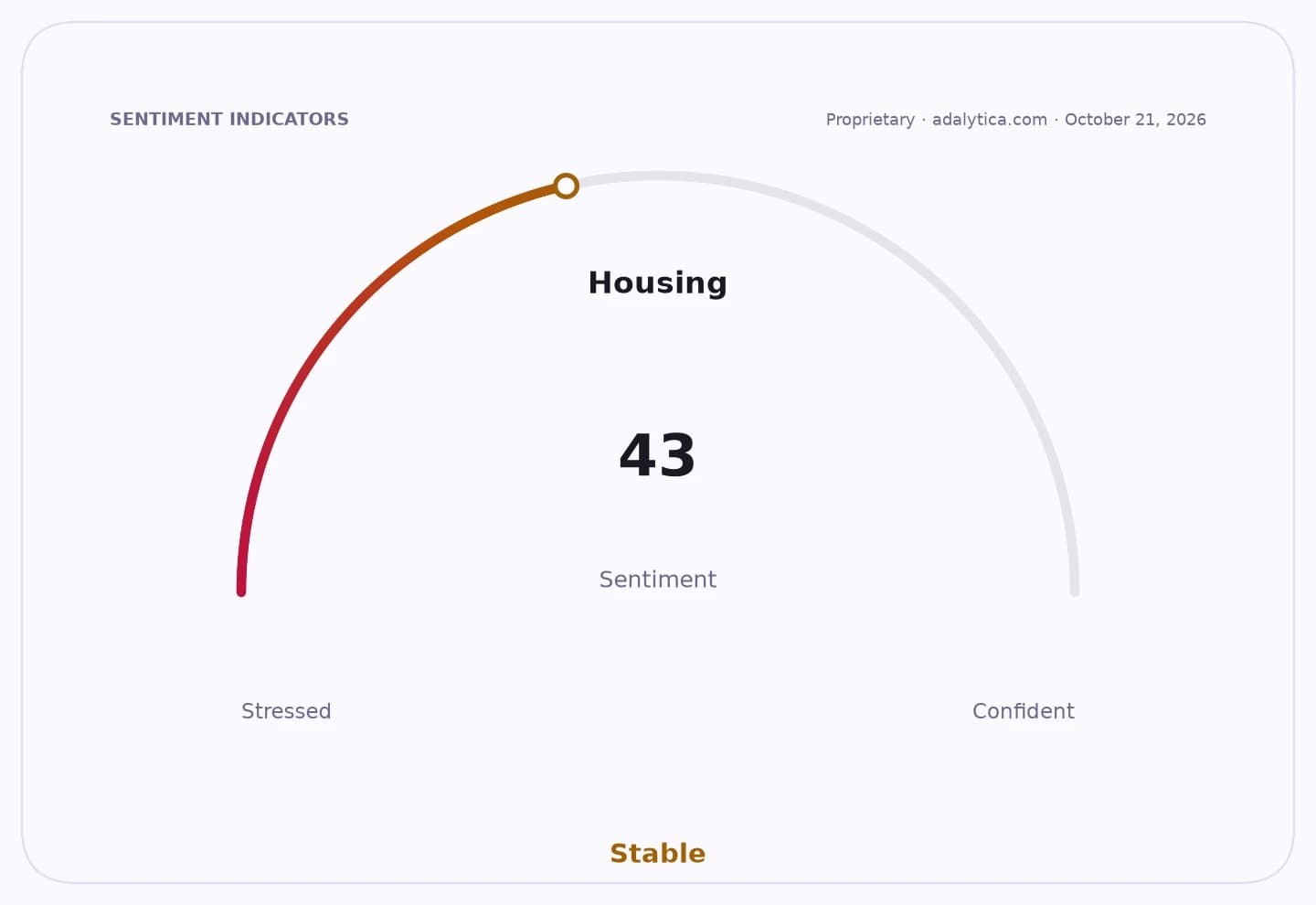
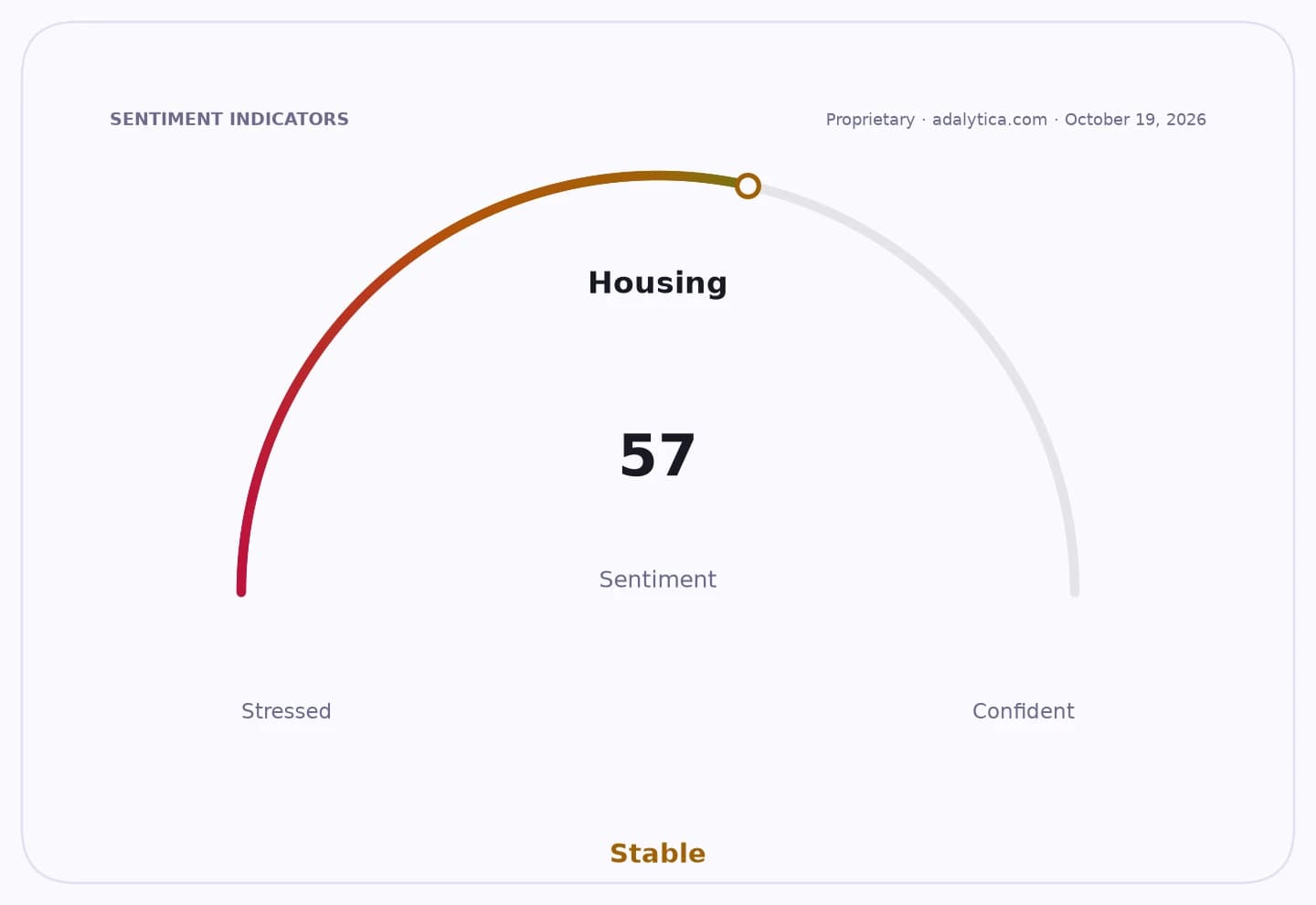
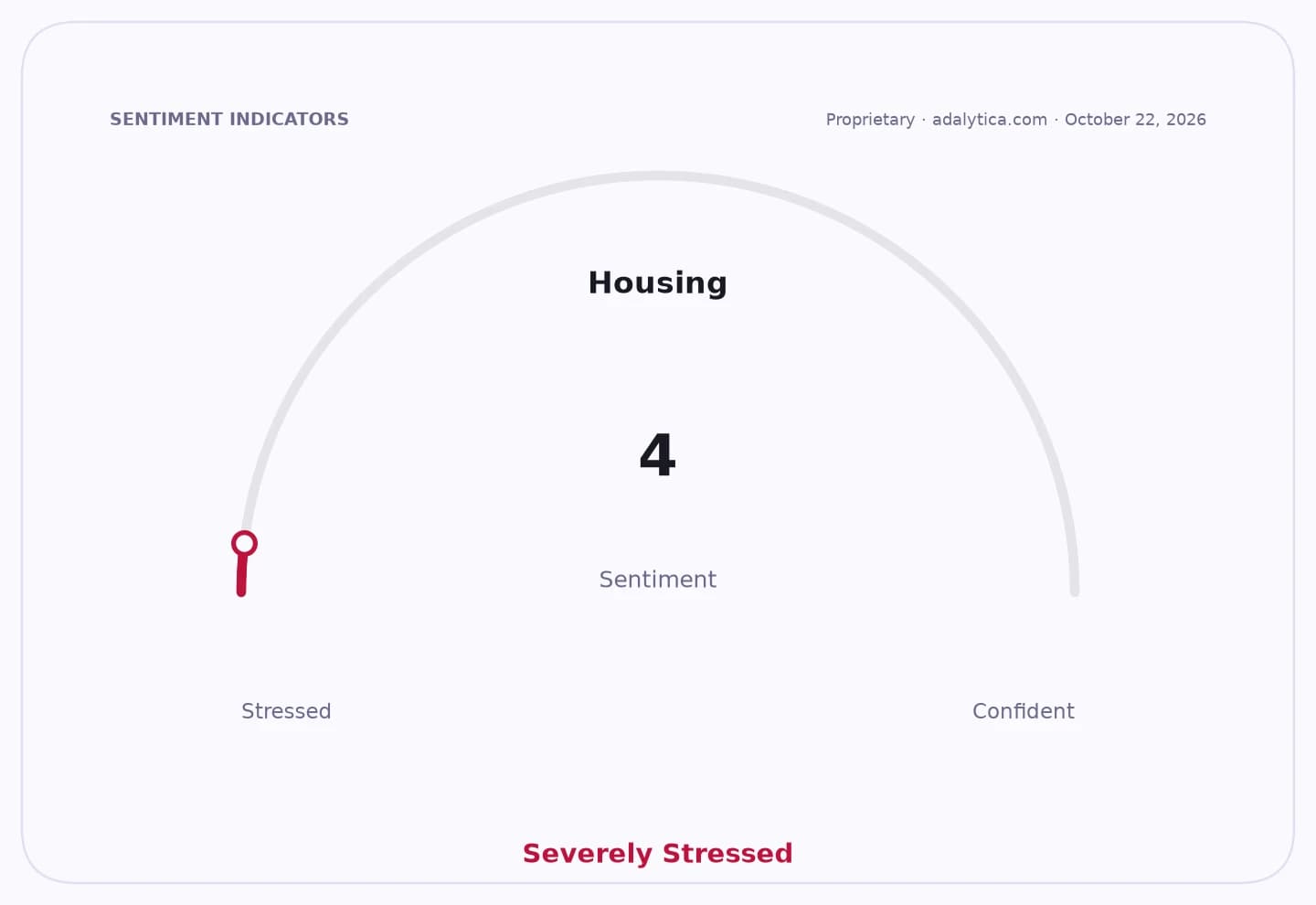
Sentiment IndicatorsⓘProprietary · adalytica.com · October 23, 2026
This is a snapshot — live sentiment, awareness and momentum for 130+ markets update continuously in the dashboard.Open AlphaPulse
Investors should pay attention because this is exactly the kind of cyclical inflection point the market tends to underprice after a rate shock. Germany’s housing market is deeply rate-sensitive, and lower inflation would give the ECB room to stop squeezing credit. That would not just support developers and landlords; it would also improve the outlook for lenders and mortgage intermediaries that have been hit by slower deal flow and weaker origination volumes.
The setup is already visible in market pricing. The iShares U.S. Home Construction ETF, ITB, has been volatile but is still trading near $91.24 after a recent rebound from the mid-$80s, while the SPDR S&P Homebuilders ETF, XHB, is back around $99.20. Those moves show investors are trying to front-run a lower-rate environment, even as technical indicators such as the 50-day moving averages remain under pressure. In Europe, the same logic applies with even more force because German property valuations were compressed by the sudden jump in financing costs.
The macro backdrop is moving in the right direction for real estate bulls. U.S. inflation expectations in Adalytica’s LTINF gauge have eased from recent extremes, while confidence in the Fed’s 2% target remains fragile. That mix reinforces the broader global argument: once inflation pressure fades, central banks can stop tightening financial conditions. For property, that is the catalyst that matters most.
The investable thesis is simple: the market underestimates how powerful a normalization in mortgage rates can be for German real estate. The first beneficiaries are likely to be housing developers, residential landlords and lenders with exposure to German property finance. The losers are investors still positioned for permanently expensive capital. If inflation continues to cool, this could become one of Europe’s cleaner rate-driven turnaround stories.
| Entity | Gains | Losses |
|---|---|---|
| German housing developers | ▲Easier project financing | ▼Peak-rate funding costs |
| Residential landlords | ▲Higher asset values | ▼Valuation pressure |
| Mortgage lenders | ▲Better loan demand | ▼Slower origination volumes |
| Rate-sensitive shorts | ▲Nothing | ▼Repricing risk |