Inflation in the euro zone cooled to 1.9% in May, slipping below the European Central Bank’s 2% target and strengthening the case for a rate cut this week.
Euro zone inflation falls below ECB target

The drop matters because it gives policymakers room to ease borrowing costs without appearing to abandon their inflation mandate, even as the bloc faces weaker growth and softer price pressures. Core inflation also slowed to 2.4%, reinforcing the view that underlying demand is losing momentum.
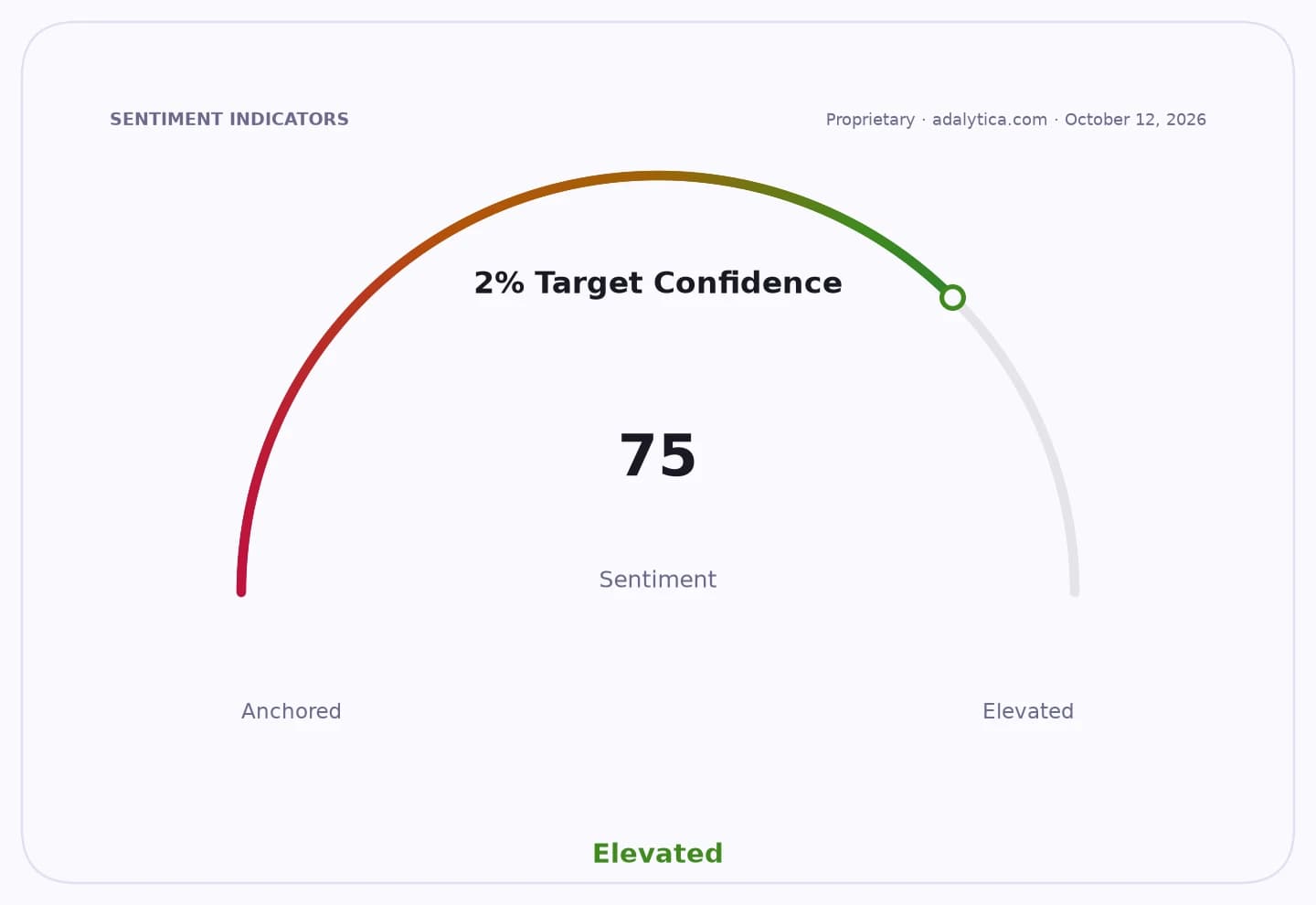
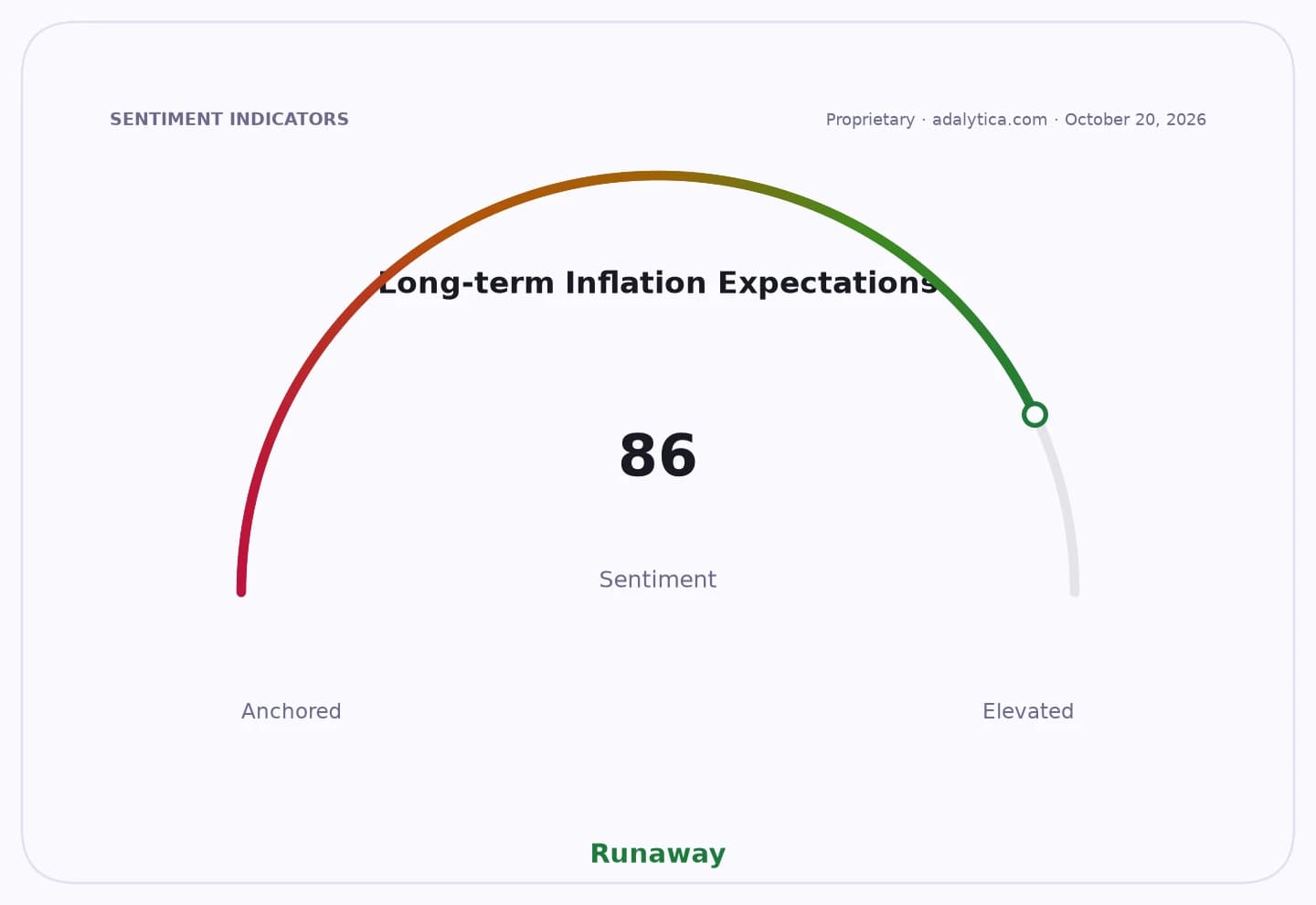
Sentiment Indicators
5-Year Breakevens
Energy prices fell 3.6% from a year earlier, while services inflation eased to 3.2%, two of the clearest signs that the post-shock price surge is fading. Food, alcohol and tobacco remained the main upside pressure, rising 3.3%, but not enough to offset the broader slowdown.
Markets quickly adjusted to the data. The euro weakened against the dollar and European stocks slipped as investors priced in a higher chance that the ECB will cut its deposit rate to 2.0% on Thursday, which would be the lowest level since January 2023.
5-Year Breakevens
For investors, the immediate focus is whether the ECB pairs a cut with a cautious message on further easing. Lower rates would support euro-zone bonds and rate-sensitive equities, but they also signal that growth worries are overtaking inflation concerns in Europe.
The bigger test is how far the ECB can go if inflation keeps drifting below target while global trade and growth risks remain elevated. Traders will watch Thursday’s decision and guidance for clues on whether this is the start of a broader easing cycle or just another measured step.
| Entity | Gains | Losses |
|---|---|---|
| Euro-zone borrowers | ▲Lower financing costs | ▼None |
| ECB doves | ▲More room to cut rates | ▼Less urgency to stay restrictive |
| Euro bulls | ▲Policy easing may support growth later | ▼Short-term currency weakness |
| European banks | ▲Potential loan demand support | ▼Softer net interest margins |