Euribor edged down again on November 4, offering a modest but immediate reprieve to borrowers with variable-rate mortgages even as the broader interest-rate backdrop remains restrictive.
Euribor Falls to 4.84% on November 4

The three-month benchmark, which is widely used to reset mortgage payments across Europe, fell to 4.84% from 4.90% a day earlier, after touching 4.95% on November 3. That is still far above the levels that prevailed before the recent rate shock, but the direction matters for households whose monthly repayments are recalculated against the index. On the latest reading, the change would translate into a slightly lower bill for many borrowers than if the rate had continued rising.
Sentiment Indicators

For the real economy, even a few basis points can matter when mortgage balances are large and household budgets are already stretched. The benchmark’s move lower comes against a backdrop of elevated borrowing costs and still-firm policy rates in the euro area, keeping the housing market and consumer spending under pressure. Variable-rate borrowers in markets such as Portugal and Spain remain most exposed, where mortgage payments are more closely tied to Euribor than in fixed-rate-heavy systems.
The easing is important for investors because it affects the transmission of monetary policy into credit performance, housing demand and bank earnings. Lower Euribor readings can slow the deterioration in affordability metrics and reduce near-term stress for households, which is supportive for lenders’ asset quality. At the same time, a softer rate path can trim net interest income at banks that have benefited from the higher-rate environment, while mortgage originators and refinancers could see activity improve if the decline is sustained.
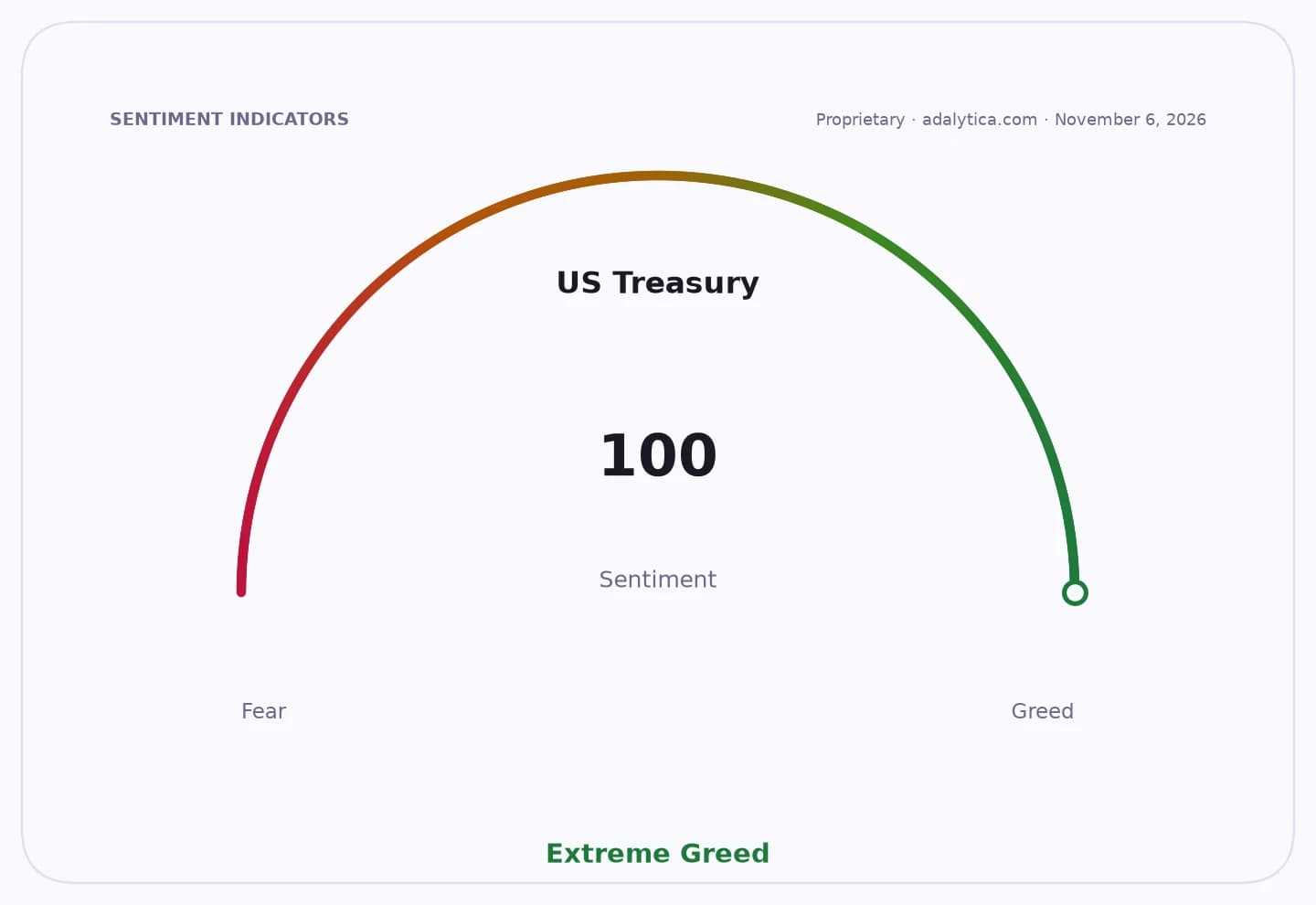
The move also fits a broader market pattern: U.S. Treasury yields have remained firm, with the 10-year near 4.9%, while bank and bond market signals point to investors still pricing a restrictive rate environment. In Europe, that leaves Euribor as a crucial barometer for how quickly financial conditions are feeding through to families rather than just policymakers and traders.
For now, the message for borrowers is limited relief rather than a full reversal. The benchmark is drifting down, not collapsing, and monthly payments are still much higher than they were before the tightening cycle. Investors will be watching whether the decline extends into coming fixes or whether renewed inflation pressure pushes the index higher again.
| Entity | Gains | Losses |
|---|---|---|
| Variable-rate mortgage borrowers | ▲Slightly lower monthly payments | ▼None immediate |
| Banks with mortgage books | ▲Lower credit stress | ▼Softer lending margins |
| Homebuyers and refinancers | ▲Better affordability | ▼Delayed rate relief if Euribor rebounds |
| ECB hawks | ▲Inflation restraint stays intact | ▼Pressure to justify restrictive policy |