The Euribor’s drop to 3.239% is finally giving variable-rate mortgage holders in the Valencian Community a meaningful breather, cutting monthly payments by about 75 euros on a typical 150,000-euro home loan and signaling that Europe’s rate-cut cycle is now feeding directly into household cash flow.
Euribor Falls to 3.239% for Spanish Mortgages
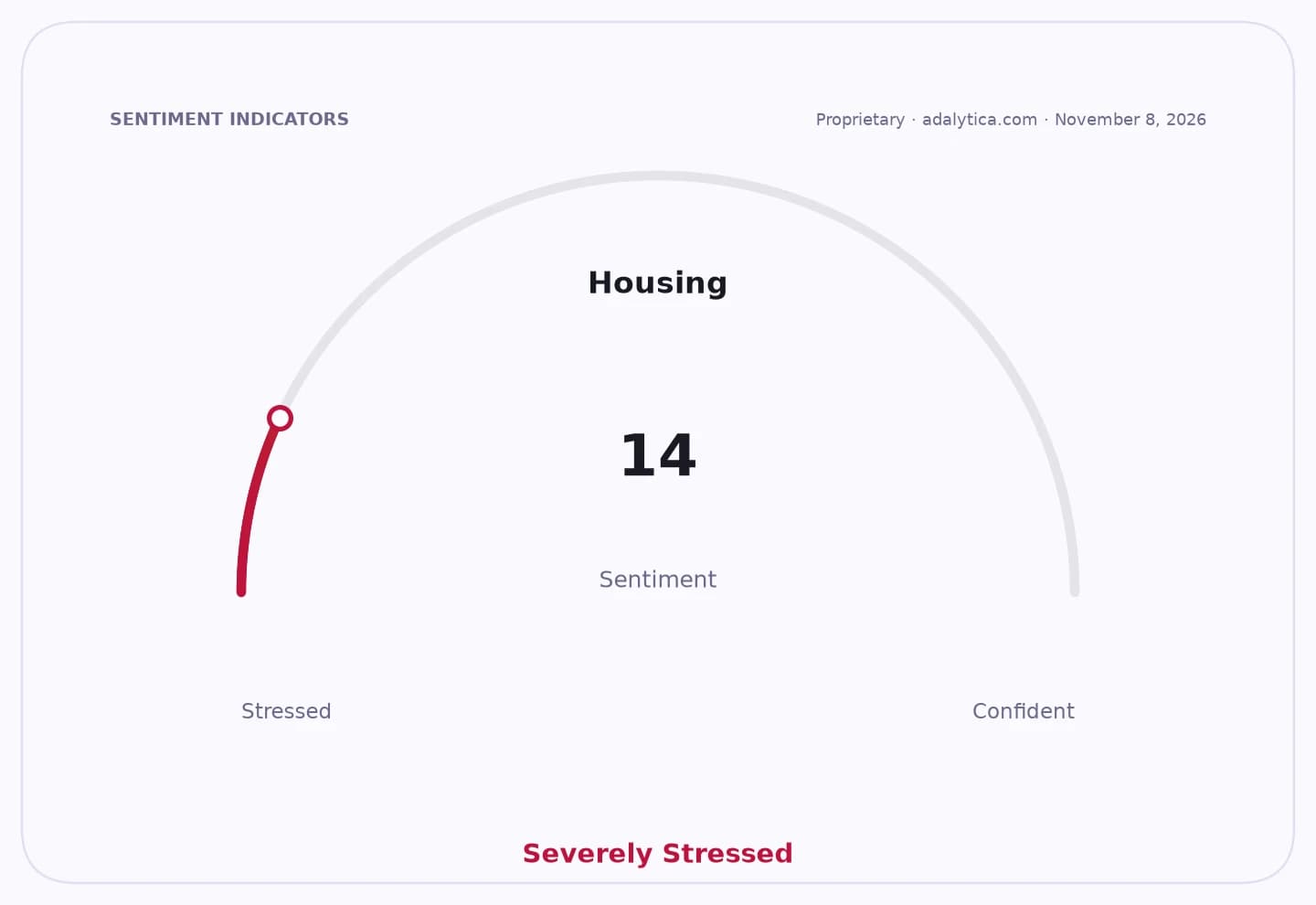
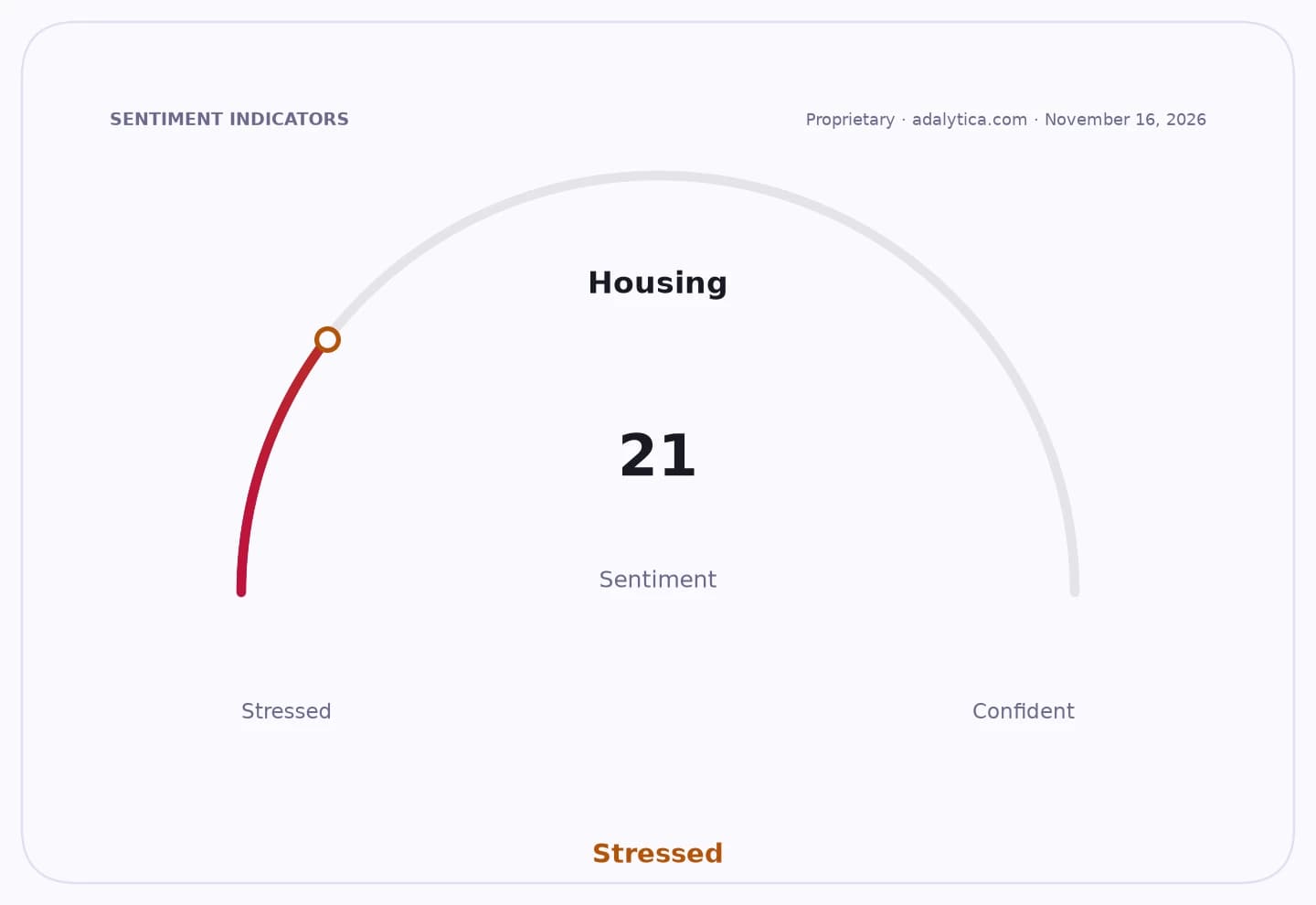
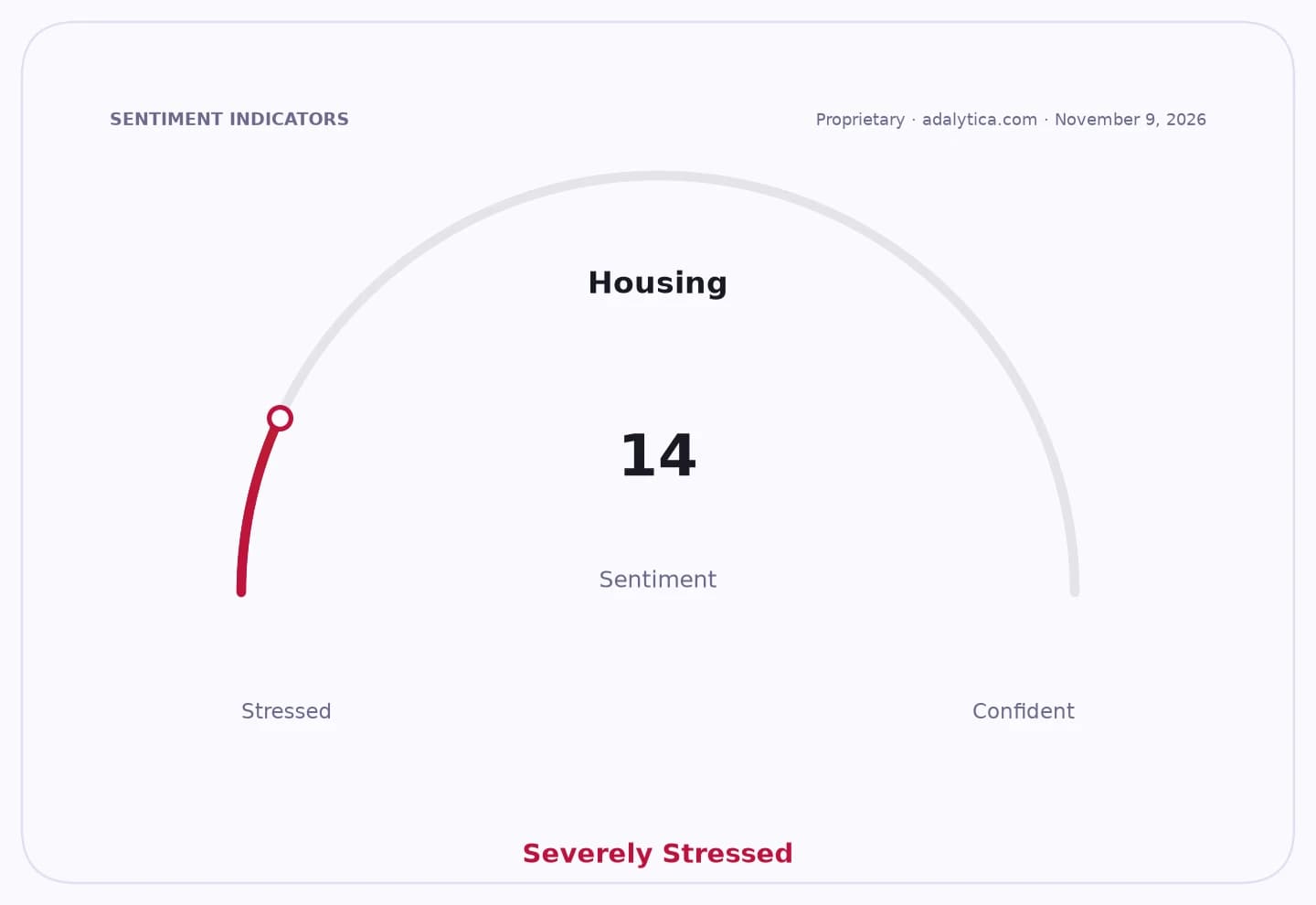
Housing
That matters because mortgage costs have been one of the clearest transmission channels of the European Central Bank’s tightening campaign. As inflation cools across the eurozone, the ECB has started easing policy, and the lower interbank benchmark is now translating into lower borrowing costs for families that were squeezed by the sharp rise in rates over the past two years.
Sentiment Indicators
For a standard 25-year mortgage with a 1% spread over Euribor, the new reference rate implies a monthly payment of roughly 812 euros, down from previous levels by about 900 euros a year. For thousands of borrowers in the Comunitat Valenciana, that is not just a technical adjustment: it is disposable income returning to consumption, savings and debt service all at once.
Investors should not treat this as a local housing footnote. Falling Euribor readings are a sign that euro-area financial conditions are loosening, which supports rate-sensitive assets and eases pressure on highly indebted households. In practical terms, it can help stabilize mortgage arrears, improve consumer confidence and reduce the drag on retail spending in Spain’s regional economies.
The move also sharpens the case for mortgage refinancing. Borrowers with variable loans may look to novations, switches to other banks or mixed-rate products to lock in better terms while the easing cycle is still unfolding. That is likely to keep competition active among Spanish lenders, especially as households become more selective and rate-sensitive after years of borrowing-cost shock.
Shorter-term Euribor data reinforce the same message. The three-month rate is already below 3%, suggesting markets are pricing in more monetary easing ahead. For homebuyers and existing borrowers, that is the key inflection point: the worst of the mortgage squeeze may be over, and the next phase could favor refinancing, consumption and housing demand.
The investment takeaway is straightforward: the Euribor decline is not only good news for Spanish mortgage holders, it is an early signal that Europe’s rate-cut cycle is beginning to change the economics of housing, credit and domestic demand.
| Entity | Gains | Losses |
|---|---|---|
| Variable-rate borrowers | ▲Lower monthly payments | ▼Less pressure relief for fixed-rate holders |
| Spanish banks | ▲More refinancing activity | ▼Lower lending margins |
| Retailers and local economy | ▲More household spending power | ▼None directly |
| Fixed-rate lenders | ▲Less immediate repricing risk | ▼Missed upside from falling rates |