The euro exchange rate stagnated against the U.S. dollar near $1.14, leaving the single currency pinned below key moving averages as firm U.S. yields and cautious Federal Reserve signals limited appetite for a rebound.
Euro Stalls as Dollar Yield Support Persists
The lack of movement matters because it shows investors are not yet willing to challenge dollar strength despite softer sentiment toward the greenback. EUR/USD closed around 1.14 for a third straight session, trading between 1.14 and 1.15, while conventional technical indicators put the pair below both its 50-day and 200-day moving averages near 1.16.
Sentiment Indicators
That keeps the economic pressure tilted toward Europe. A weaker euro raises the local-currency cost of dollar-priced imports, including energy and commodities, while offering some relief to euro-area exporters selling into dollar markets. For the European Central Bank, a currency stuck near recent lows complicates the inflation outlook if imported costs rise again.
The dollar’s support remains rooted in relative rates. The U.S. two-year Treasury yield was 4.16% on July 9 and is forecast at about 4.20% for July 10, while the effective federal funds rate held around 3.63% in June, according to Federal Reserve data. U.S. consumer prices also continued to rise, with the CPI index up 0.47% in May and forecast to increase a further 0.62% in June, keeping investors wary of betting aggressively on near-term Fed easing.
Dollar-linked market products reflected that bias. The Invesco DB U.S. Dollar Index Bullish Fund rose to 28.39 from 28.36, trading above its 50-day and 200-day moving averages, while the Invesco CurrencyShares Euro Trust slipped to 105.30 from 105.42 and remained below comparable trend levels. The moves were small, but they reinforced a broader pattern: the dollar is consolidating from strength, while the euro has yet to regain momentum.
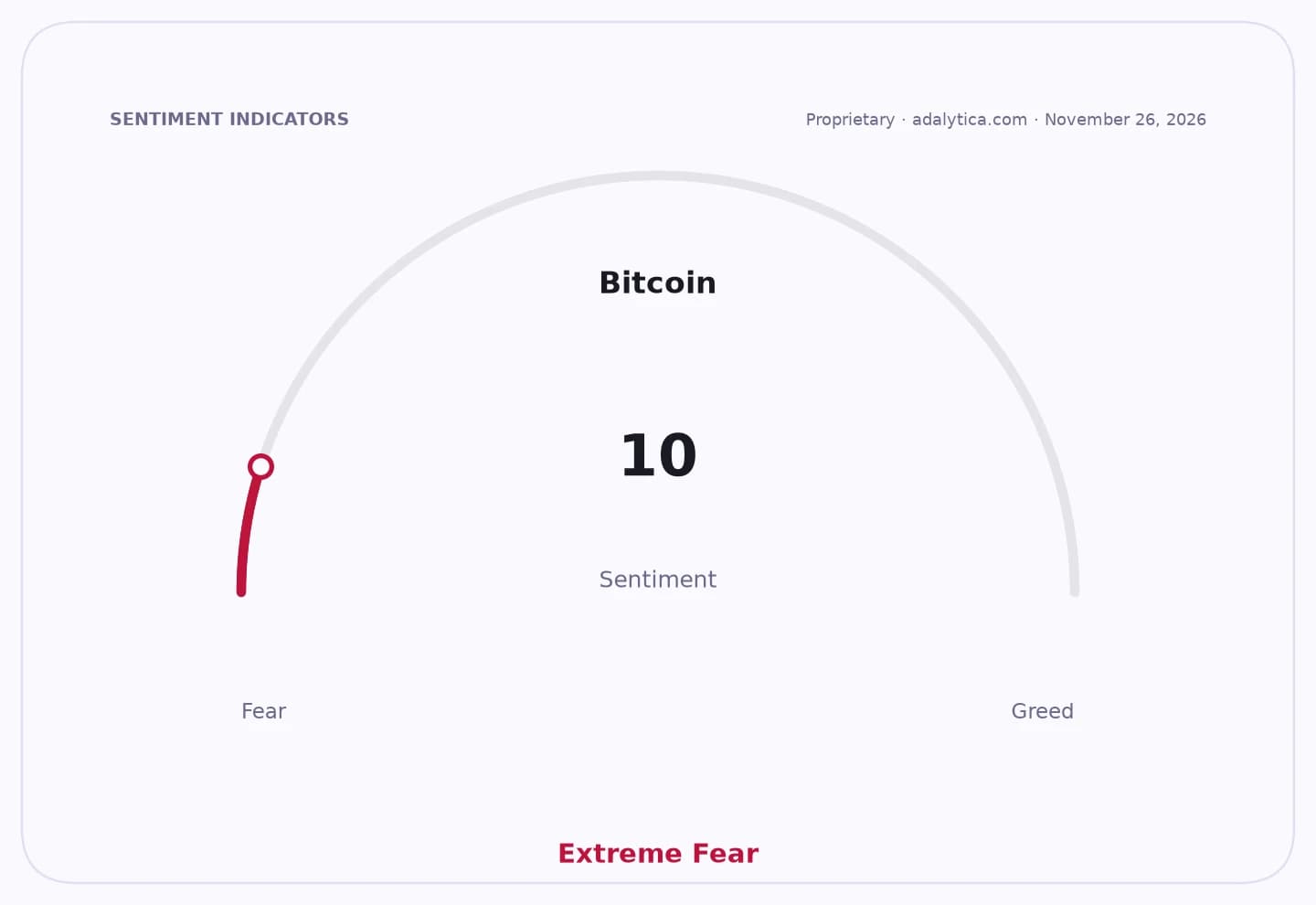
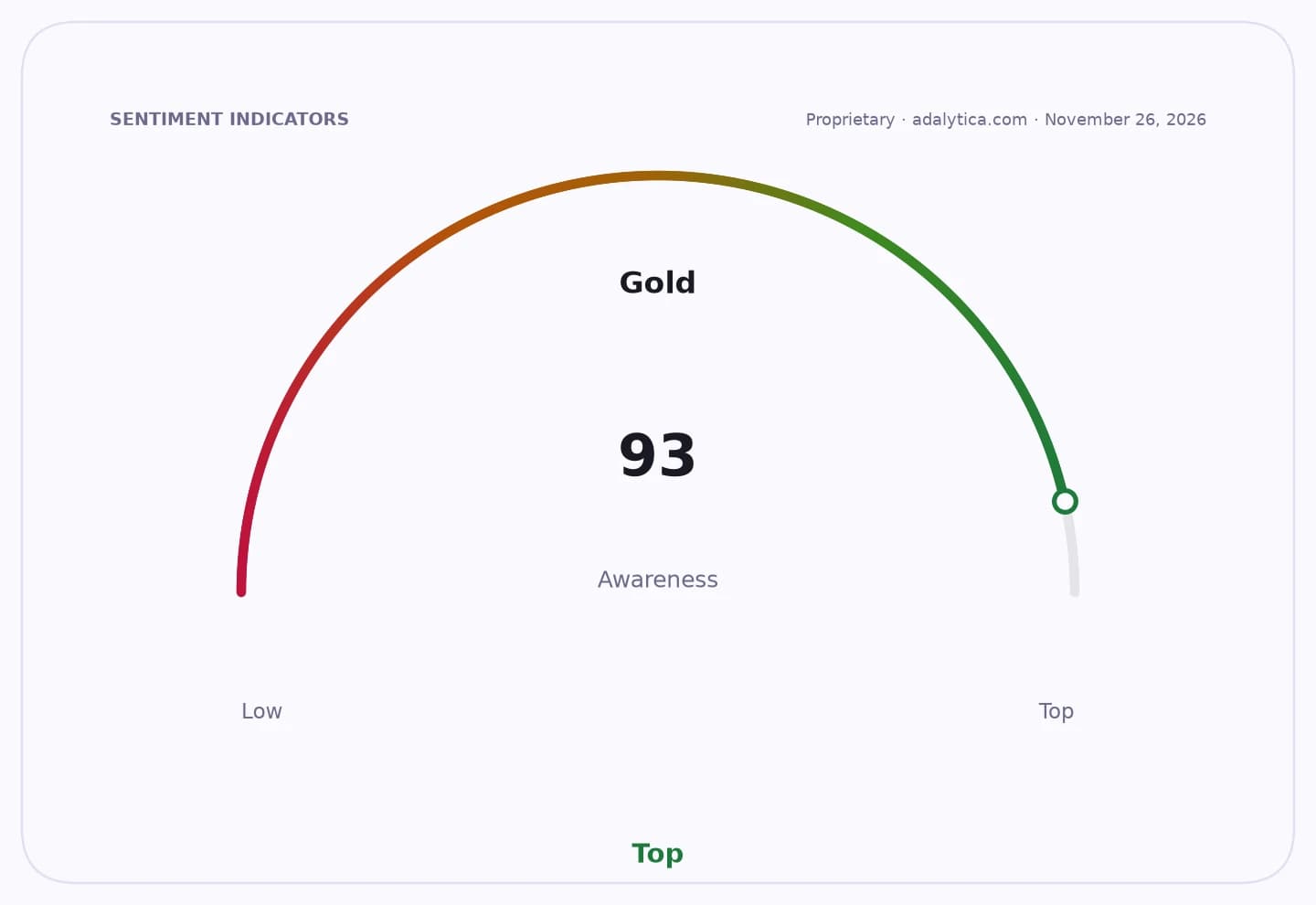
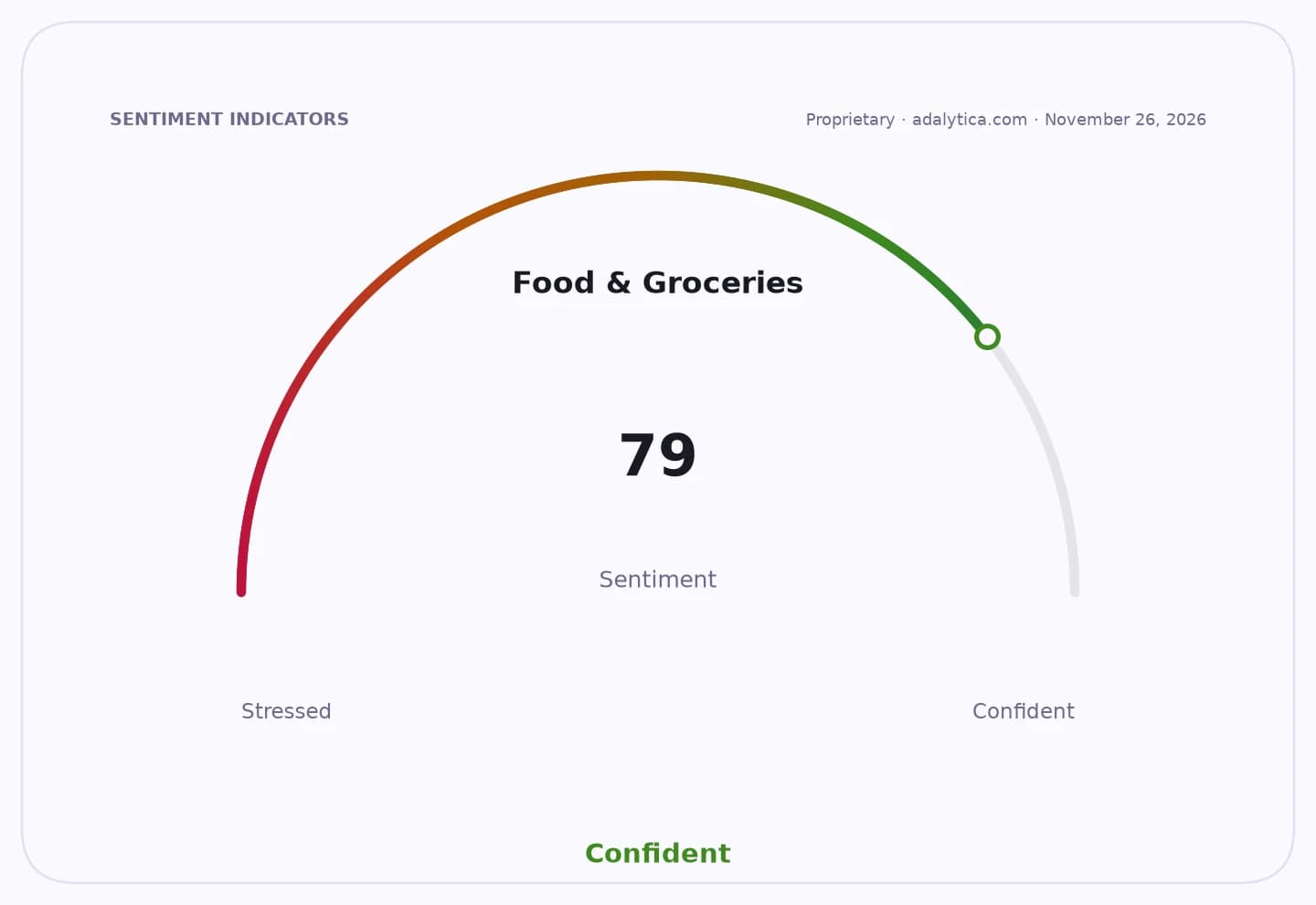
Proprietary indicators from Adalytica.com showed U.S. dollar sentiment at a neutral 31, down sharply over one day and one week, while FX volatility sentiment and awareness were both in “Extreme Fear” territory at 11. That combination points to a market reluctant to extend dollar longs aggressively but also unwilling to price a decisive euro recovery.
Geopolitical risk has added to the dollar’s resilience. Tensions in the Middle East and caution around global growth have supported safe-haven demand, pressuring higher-beta currencies and keeping the euro from benefiting meaningfully from any dips in the dollar index.
The next catalyst is likely to come from U.S. inflation and Fed communication. A hotter price reading or more hawkish policy guidance would strengthen the case for EUR/USD to remain capped below $1.16, while evidence of cooling inflation could give euro bulls their first clear opening to challenge the dollar’s yield advantage.
| Entity | Gains | Losses |
|---|---|---|
| Dollar bulls | ▲Yield support | ▼Weak sentiment |
| Euro-area exporters | ▲Cheaper euro | ▼Import-cost pressure |
| Euro bulls | ▲Low volatility | ▼Weak trend signals |