European companies are betting that AI-powered robots will do more than cut costs — they could lift profits in a meaningful way by the end of the decade, and that matters because it points to a new wave of investment that could reshape factory floors, margins and supply chains across the region.
Europe AI robots adoption and profit outlook
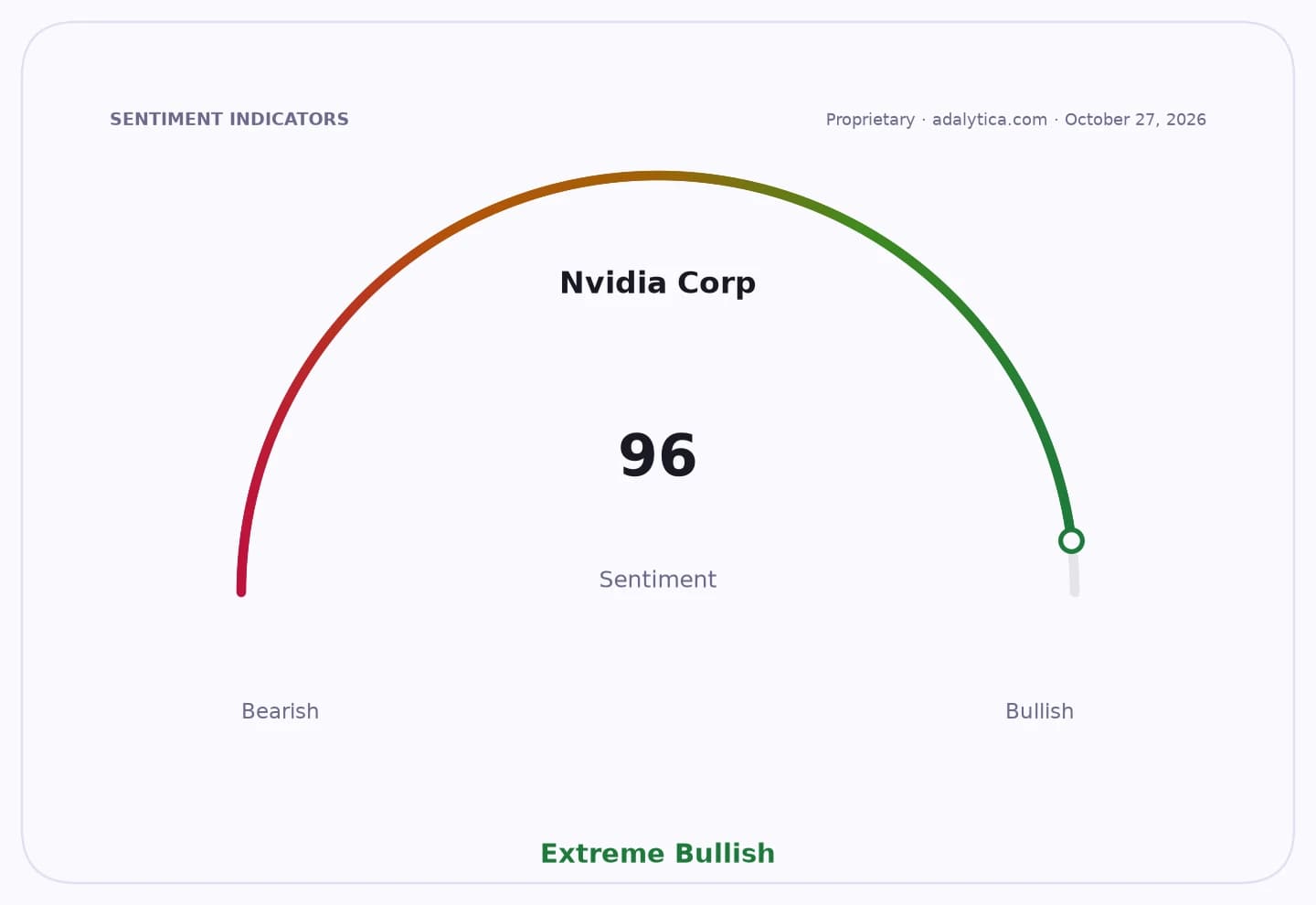
Nvidia Corp
More than half of the businesses surveyed by Deloitte expect so-called physical AI to deliver a double-digit improvement in operating profit by 2030, versus just 17% that say they are already seeing that kind of benefit. That gap is important for investors because it shows the technology is still early in its commercial cycle, even as corporate confidence is rising. In other words, Europe’s AI robot story is not about immediate earnings fireworks; it is about a long runway for capital spending and eventual productivity gains.
Sentiment Indicators
The survey suggests adoption could accelerate quickly. Deloitte said 81% of companies expect AI-driven robots to be widely used in the coming years, almost three times the current level. Yet the same study also shows how much skepticism remains. About two-thirds of respondents are still only watching the technology or testing it in pilot programs, while 63% doubt these systems will play a central role in production by 2030.
That tension is exactly why the story matters economically. Europe has long struggled with sluggish productivity growth, high labor costs in some industries and persistent pressure to modernize manufacturing. If autonomous robots can reliably handle repetitive, physically demanding or precision tasks, they could help companies improve output without proportionally increasing payrolls. That has implications for margins, inflation and competitiveness — especially in sectors such as industrials, automotive and logistics where automation can move the needle.
The catch is that the barriers are real. Deloitte said cyber and operational safety risks were the top concern for 38% of respondents, followed by high investment and implementation costs at 35% and a shortage of skilled workers at 30%. Those are not trivial obstacles. Companies may want the benefits, but they still need robust software, secure systems, integration expertise and enough balance-sheet strength to absorb the upfront expense.
For investors, that creates a clear two-sided opportunity. The companies selling the picks and shovels of physical AI — from robotics hardware to semiconductors, industrial automation software and cloud infrastructure — could benefit as adoption broadens. Nvidia, Microsoft and other AI infrastructure names have already shown how powerful that spending cycle can be when customers move from experimentation to deployment. At the same time, firms that successfully automate could widen margins and improve free cash flow over several years, which is the kind of compounding effect long-term investors should want.
Still, this is not a straight-line trade. The market often gets ahead of itself when a technology narrative is powerful, and the Deloitte findings make clear that Europe is still in the early innings. Many companies are enthusiastic, but not yet convinced. That is usually how durable adoption stories begin: with pilots, caution and lots of skepticism before the economics finally win over the market.
For patient investors, the key takeaway is simple. AI robots are becoming a real corporate investment theme in Europe, not just a futuristic concept, and the profit impact could be substantial by 2030. The best way to own that trend is likely through diversified exposure to the enablers and the adopters, then letting the compounding work over years, not months.
| Entity | Gains | Losses |
|---|---|---|
| AI robot suppliers | ▲Higher orders | ▼Longer sales cycles |
| European manufacturers | ▲Better margins | ▼Upfront capex |
| Industrial workers | ▲Safer tasks | ▼Automation risk |
| Investors in enablers | ▲Secular growth | ▼Near-term volatility |