Europe’s AI opportunity will hinge less on announcing new megawatts than on actually getting them built, energized and contracted, as a wave of capital collides with the continent’s grid, planning and construction bottlenecks.
Europe Data Centers: Execution Now Matters More Than Megawatts

That shift matters because the economics of AI infrastructure are moving from a story of scarcity to one of execution. Developers can raise money and secure customers only if they can deliver usable capacity on schedule. In a market where the value of a campus depends on its ability to become operational, the gap between pipeline and commissioned assets is now the key risk for lenders, customers and shareholders.
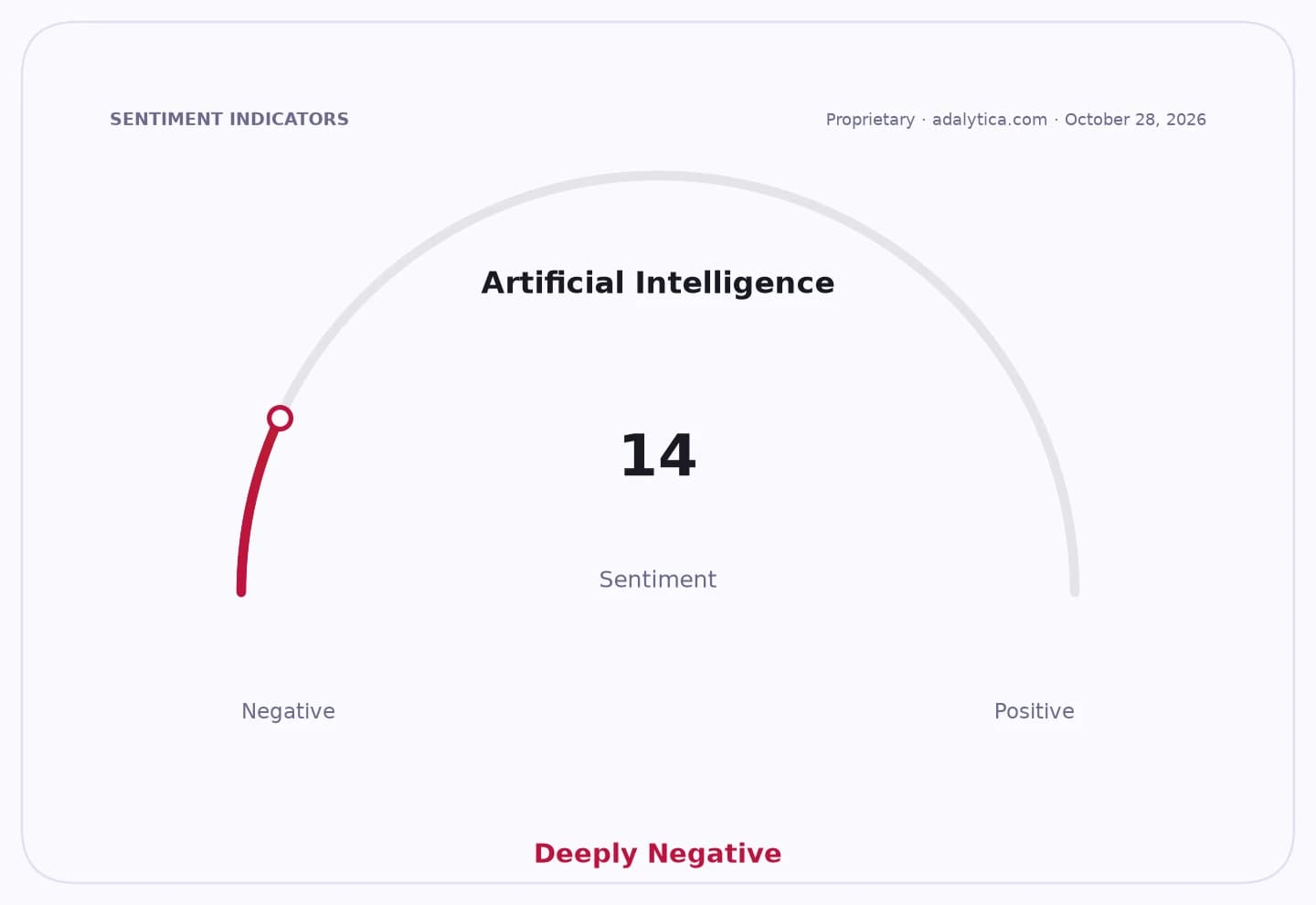
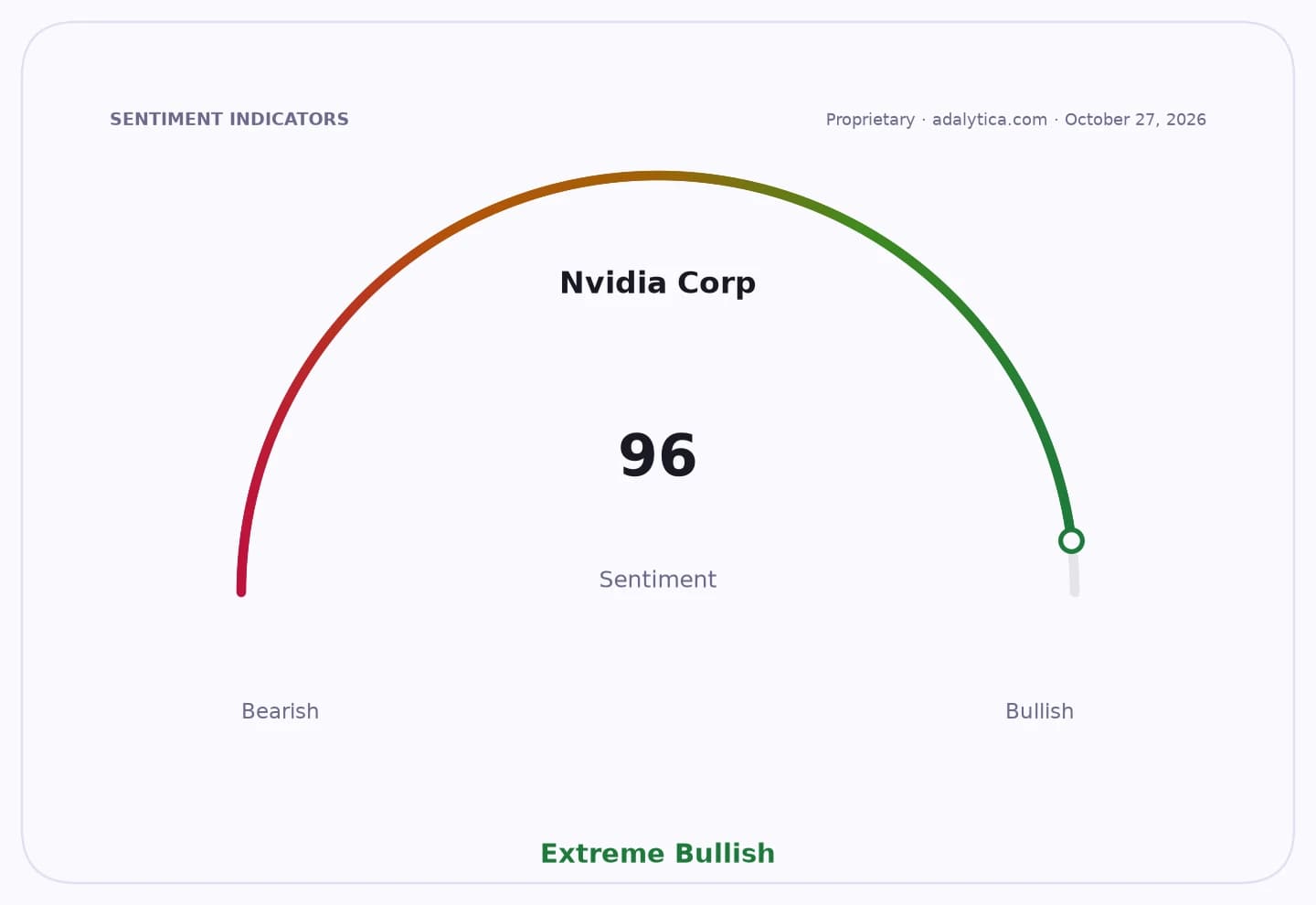
Sentiment Indicators
The message is especially relevant in Europe, where longer planning cycles and more demanding environmental processes can slow development but also improve visibility on the path to operation. For investors, that can reduce the odds of stranded capital and undelivered capacity. For customers, it can improve confidence that promised compute will actually come online. For operators, it turns execution into a competitive moat.
Data4’s €20 billion investment program, including €15 billion earmarked for France, shows how much capital is still chasing European digital infrastructure. But the scale of the opportunity will be judged not by headline capacity alone. Power availability, land control, permitting, equipment procurement and construction sequencing will determine how much of that spending becomes revenue-generating assets.
The broader market is already reflecting that change. The first phase of the AI build-out was driven by urgency, with hyperscalers and AI labs racing to lock up land and electricity. Now the bigger question is delivery discipline. That is particularly important as AI-native companies become more visible counterparties, often with less established credit profiles than the investment-grade customers that traditionally underpinned data center financing.
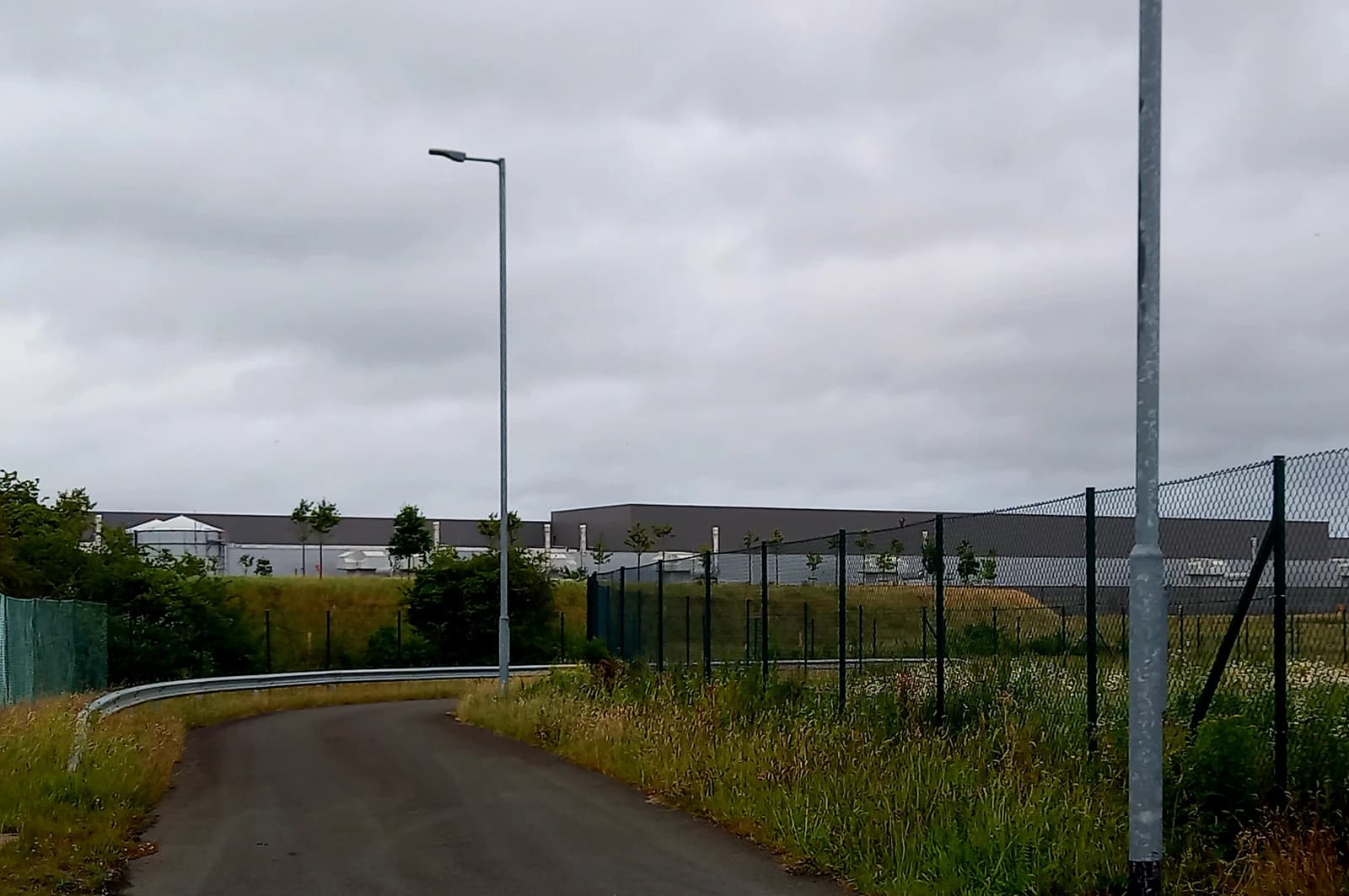
Europe may also benefit from a second shift in AI demand: the move from training-heavy workloads toward inference, which needs lower latency and closer proximity to users. That favours markets with dense enterprise populations, strong connectivity and access to major economic hubs. Northern France, for example, is being positioned as a regional platform for both cloud and AI workloads, with Data4 operating about 500MW in the Paris region and developing a 700MW campus bridging France, Belgium, the Netherlands, Germany and the UK.
For investors in the sector, the implication is clear: scale still matters, but delivery is becoming the real test of value. Projects that can convert announcements into energized, commissioned and contracted capacity should command a premium. Those that cannot may find that even plentiful demand is not enough to compensate for grid delays, permitting friction or construction slippage. The next phase of Europe’s AI build-out will be won by developers that can prove they can deliver, not just promise.
| Entity | Gains | Losses |
|---|---|---|
| European data center operators | ▲Higher value for delivered capacity | ▼Greater execution scrutiny |
| Customers seeking AI compute | ▲Better delivery visibility | ▼Fewer quick-turn options |
| Investors and lenders | ▲Lower development risk | ▼More stringent underwriting |
| Announcement-driven developers | ▲None | ▼Pipeline premiums erode |