Gas and electricity bills are set to rise sharply across Europe after a surge in wholesale energy prices tied to disruption fears around the Strait of Hormuz, with one energy expert warning household gas costs could climb as much as 20% and power prices as much as 50%.
Europe gas and power bills may rise on Hormuz fears
The warning matters because Europe is only a few years removed from the 2022 energy shock, and another sustained rise would feed into household inflation, squeeze disposable income and raise costs for industry. While fixed-price contracts shield many customers in the short term, households on variable tariffs are likely to feel the increase first, with gas bills expected to rise 15% to 20% over the next two years and electricity costs to follow by up to 10% in the domestic retail market, according to the interviewee.
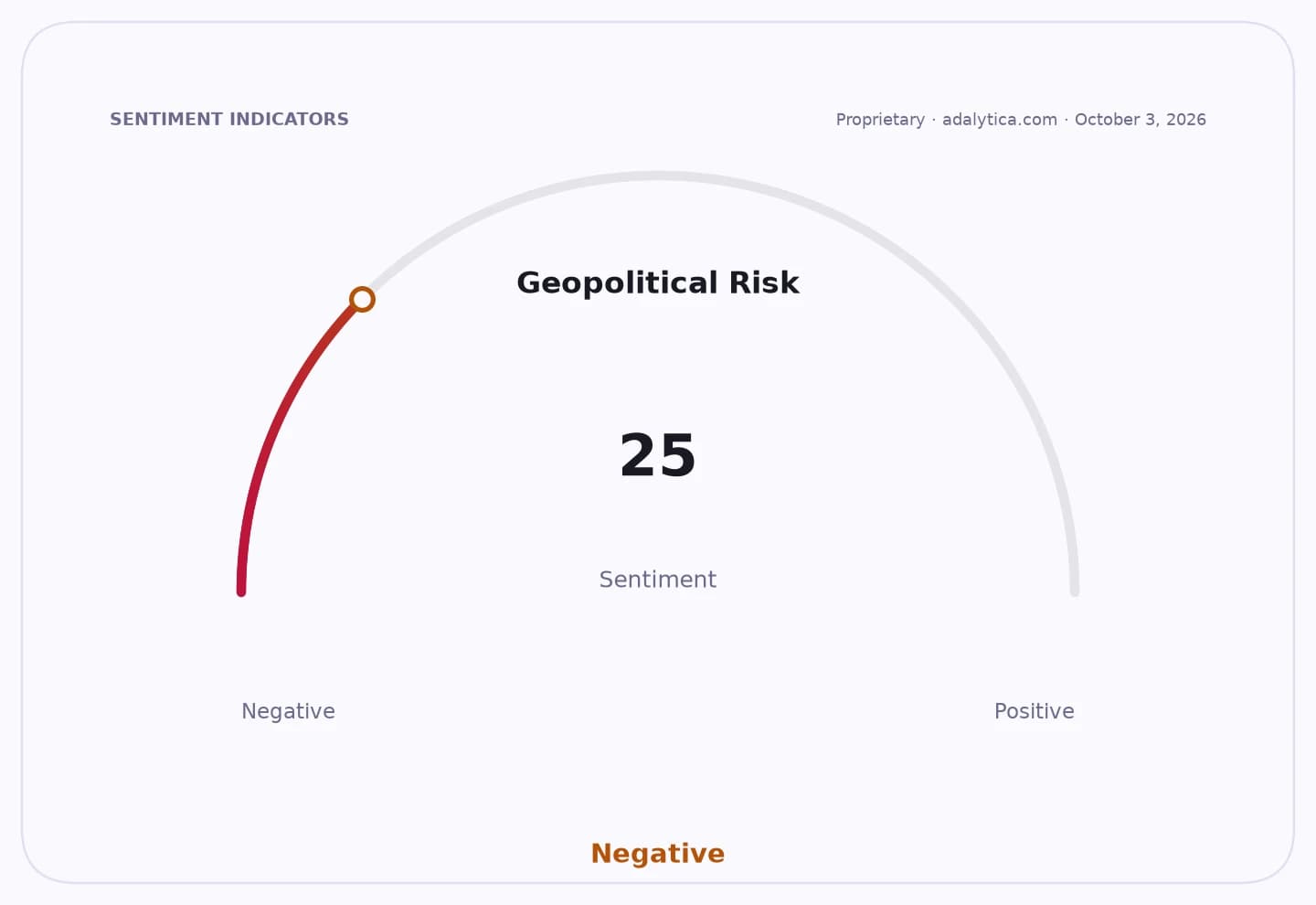
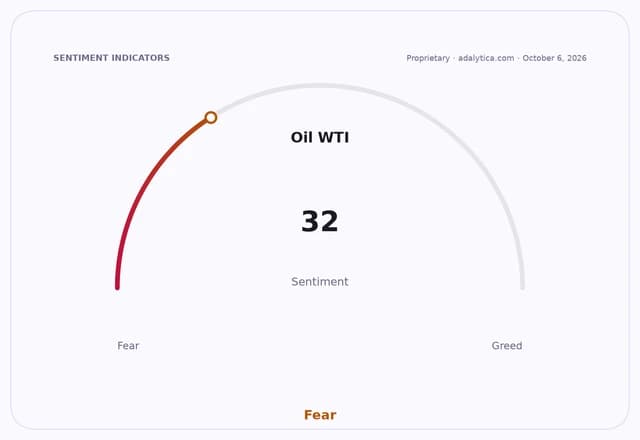
Sentiment IndicatorsⓘProprietary · adalytica.com · October 6, 2026
This is a snapshot — live sentiment, awareness and momentum for 130+ markets update continuously in the dashboard.Open AlphaPulse
The immediate trigger is geopolitical: high gas prices are being driven by the US confrontation with Iran and a sharp curtailment of oil and liquefied natural gas exports through the Hormuz chokepoint. That has already pushed European gas benchmarks above 70 euros per megawatt hour, while wholesale electricity prices are also elevated on the exchange.
For investors, the story cuts across utilities, energy-intensive industries and the broader inflation trade. Higher gas and power prices can support European energy producers and traders, but they also pressure manufacturers, chemicals groups, retailers and consumers, while reviving expectations for firmer inflation prints and less room for central banks to ease.
The policy and market backdrop is different from 2022, however. Europe has reduced its dependence on pipeline gas from Russia, and the new LNG supply wave from the US, Canada, Mozambique, Southeast Asia and Qatar should eventually cap the rally, the expert said. He argued that even if Hormuz disruptions persist, prices are likely to resume a downward path over time as new export capacity comes online.
That mix leaves the near term vulnerable but the medium term less dire than the post-invasion spike. Traders will be watching winter demand, Hormuz access and the pace of LNG capacity additions for the next move in European gas and power prices.
| Entity | Gains | Losses |
|---|---|---|
| LNG exporters | ▲Higher spot and contract prices | ▼Volatility if supply normalizes |
| European utilities | ▲Potential trading and margin upside | ▼Customer backlash and regulation risk |
| Households on variable tariffs | ▲None | ▼Higher gas and power bills |
| Energy-intensive industry | ▲None | ▼Rising input costs and weaker margins |