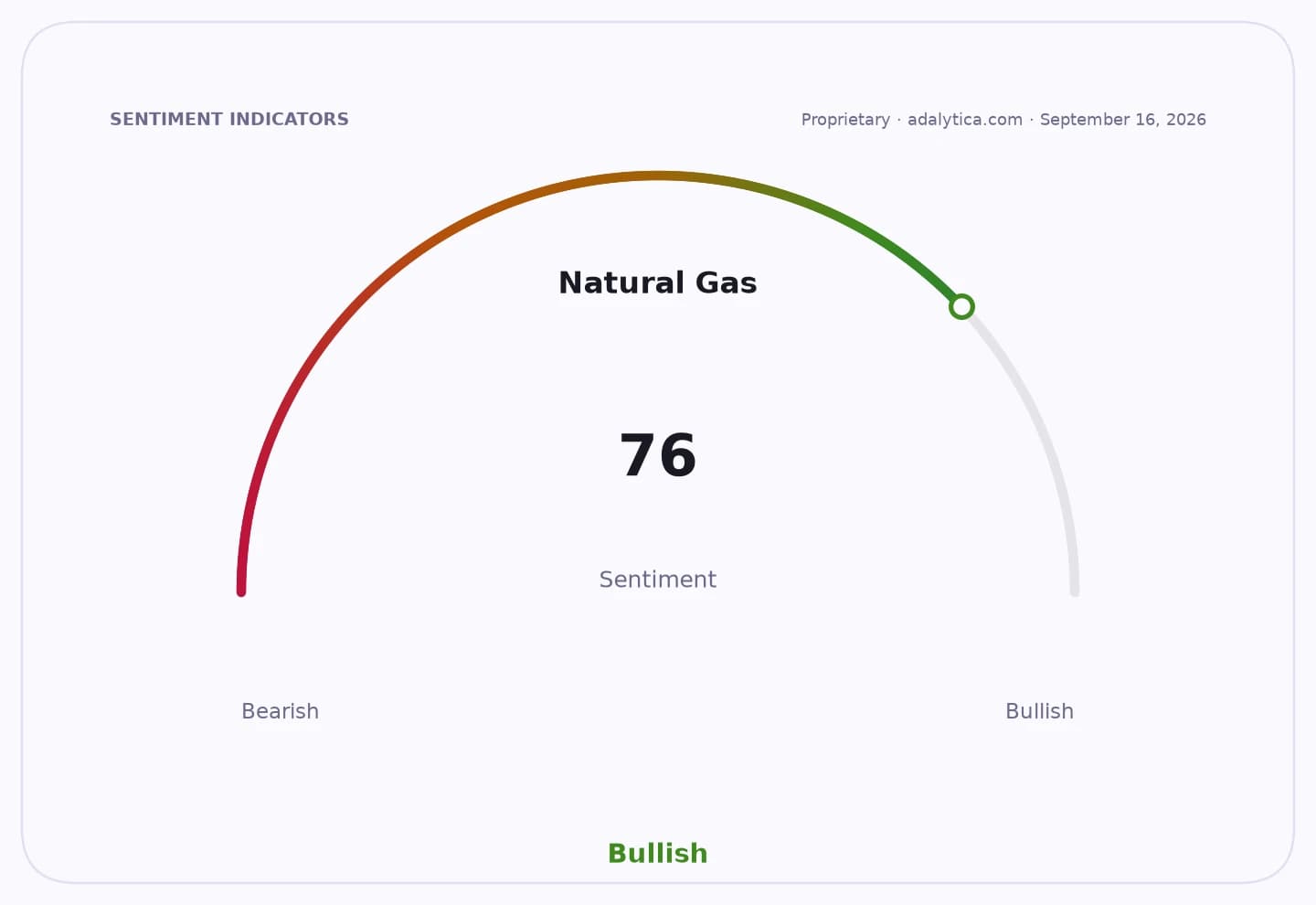
Europe’s natural gas market is heading into winter with storage running unusually low, a setup that is reviving fears of a price spike above 100 euros a megawatt hour if cold weather or supply disruptions tighten balances further.
Europe gas storage low before winter
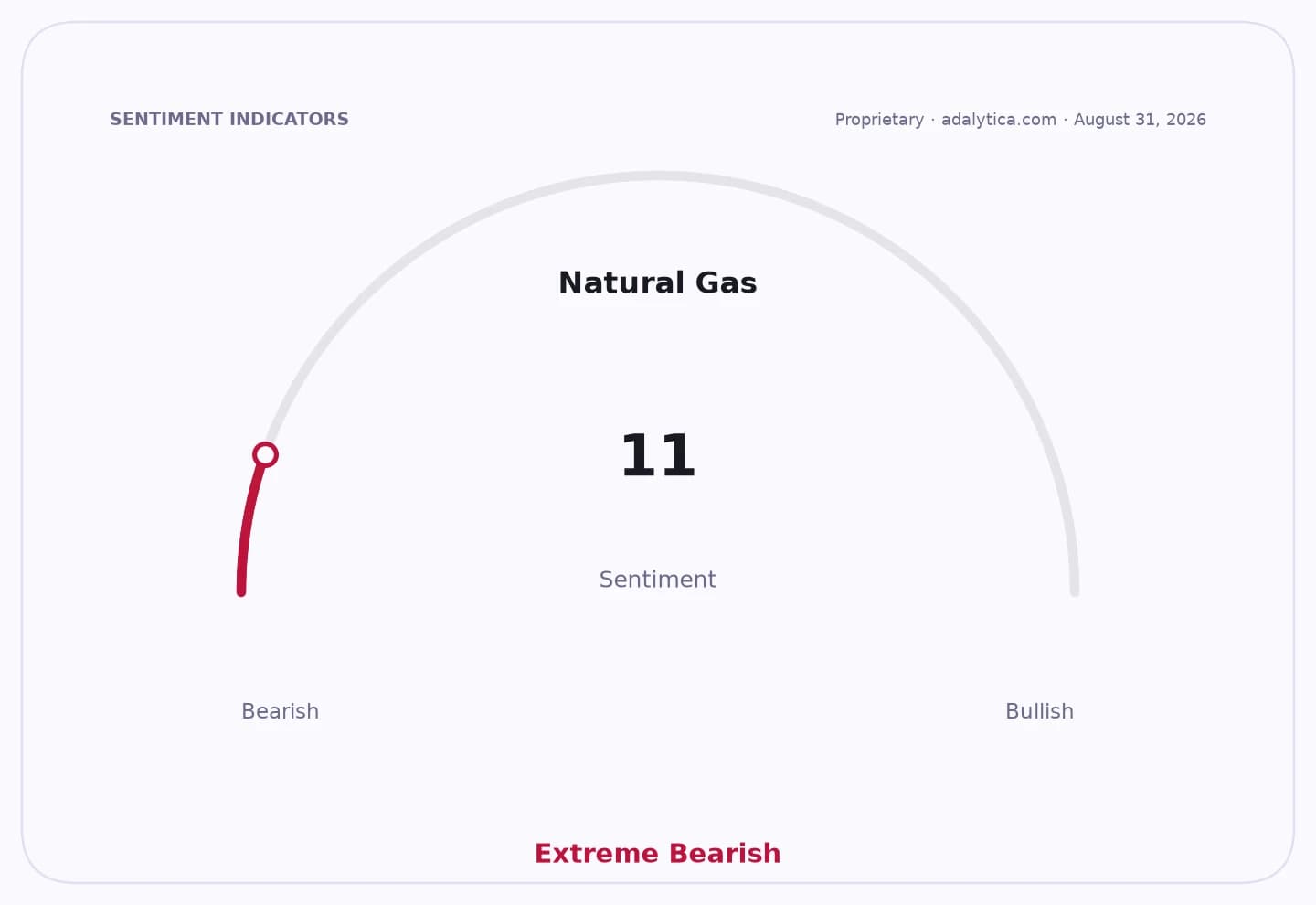
That matters because gas storage is Europe’s main buffer against winter demand peaks and import shocks. When inventories are thin, the market loses its shock absorber and prices have to do more of the rationing. For households, that can eventually feed into heating bills and inflation; for manufacturers, it raises energy costs just as a colder season increases consumption. For policymakers, it reopens a familiar dilemma: pay up for cargoes now or risk a shortage later.
The squeeze is being felt across the continent. In the Netherlands, Gasunie and industry players have warned of a potential shortage this winter, while Germany’s reserves are also being watched closely because low inventories could create bottlenecks for industrial users, including mechanical engineering firms. Eni has asked Mellitah Oil and Gas to increase supply, underscoring how European buyers are still leaning on external suppliers to plug the gap.
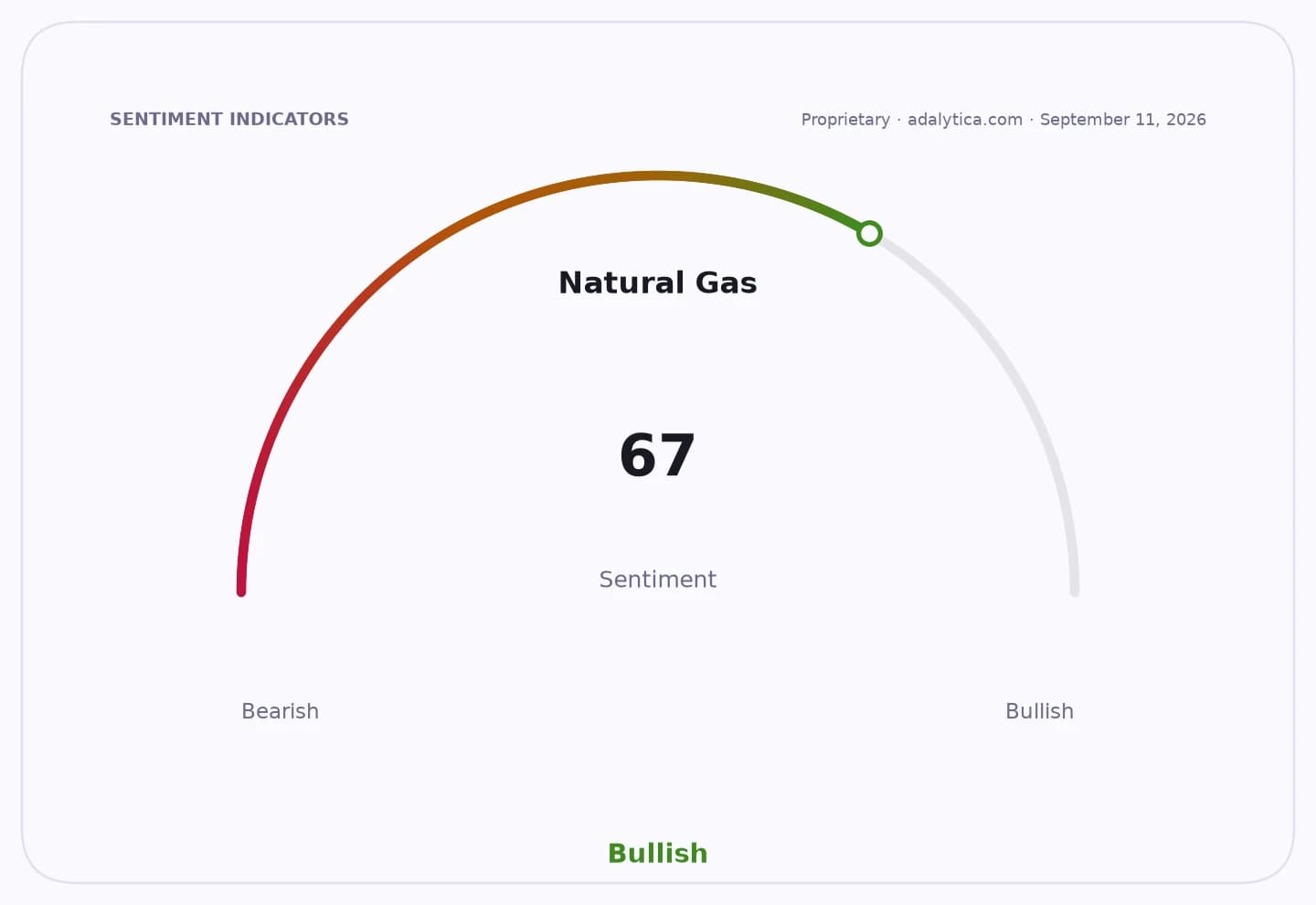
The market backdrop is already reflecting that tension. Benchmark European gas prices have firmed in recent weeks as traders price in tighter seasonal balances. The risk is not just absolute scarcity, but a narrower margin for error: if temperatures fall sharply, Norwegian flows wobble, LNG cargoes are redirected to Asia or any infrastructure issue hits, the market can reprice fast. In that environment, even a modest deficit can trigger outsized moves because storage withdrawals cannot keep up with demand.
For investors, the implications run through the energy complex. Gas producers and LNG exporters stand to benefit from firmer pricing, while energy-intensive industrials in Europe face margin pressure if costs stay elevated. Utilities and retailers with hedging books may be better insulated in the near term, but their procurement costs could still rise into next year. The clearest macro risk is that higher gas prices would complicate the European Central Bank’s inflation outlook just as the region is trying to preserve a fragile growth recovery.
There is a bullish case for the market to calm if temperatures stay mild, storage withdrawals remain orderly and LNG arrivals hold up. But the bearish case is stronger from a risk-premium perspective: Europe is starting winter with less room to absorb disruption than it would like. That leaves the market vulnerable to the kind of sharp repricing that can take gas well beyond 100 euros if weather and supply both turn against it.
| Entity | Gains | Losses |
|---|---|---|
| LNG exporters | ▲Higher spot prices | ▼Demand risk if rationing rises |
| European gas producers | ▲Stronger pricing power | ▼Greater political pressure |
| Industrial gas users | ▲Some benefit from hedges | ▼Higher fuel costs |
| European households | ▲Supply security if imports arrive | ▼Potentially higher heating bills |