Europe is pumping gas into storage at high prices despite a market that remains tight, a sign that governments and utilities are prioritizing winter security over cost as geopolitical supply risks linger.
Europe Gas Storage Refill Stays Costly

The decision matters economically because storage is Europe’s first line of defense against a cold snap, a pipeline disruption or another shock to liquefied natural gas flows. With inventories at only about 65% capacity and some major sites still close to empty, the continent is buying protection now rather than waiting for cheaper fuel that may not arrive before demand rises.
Sentiment IndicatorsⓘProprietary · adalytica.com · September 7, 2026
This is a snapshot — live sentiment, awareness and momentum for 130+ markets update continuously in the dashboard.Open AlphaPulse

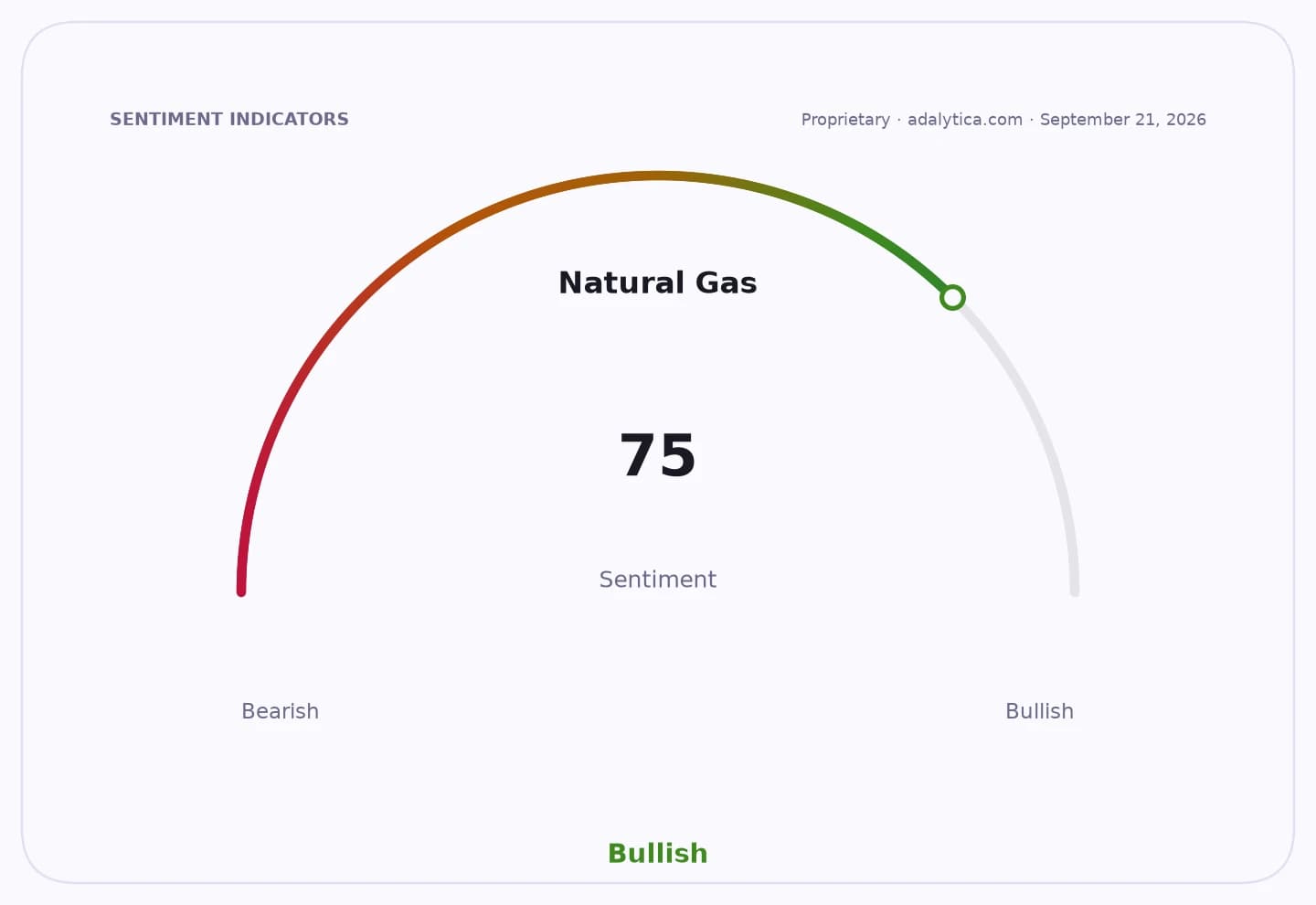
That urgency is being reinforced by the wider energy backdrop. The latest U.S. crude benchmark sits above $91 a barrel, while natural gas futures have moved back toward $3 per million British thermal units after a volatile run that included a spike above $5 late last year. Those levels do not look extreme versus the 2022 crisis, but they are high enough to keep Europe’s heating and industrial costs elevated and to make storage refill decisions more painful.
For investors, the story is less about a single price print than about a structural shift in European gas economics. Utilities, storage operators and LNG suppliers all benefit from stronger refill demand and tighter winter premiums. Industrial users and power generators, by contrast, face a higher cost base that can squeeze margins and, in energy-intensive sectors, force curtailments or hedging losses.

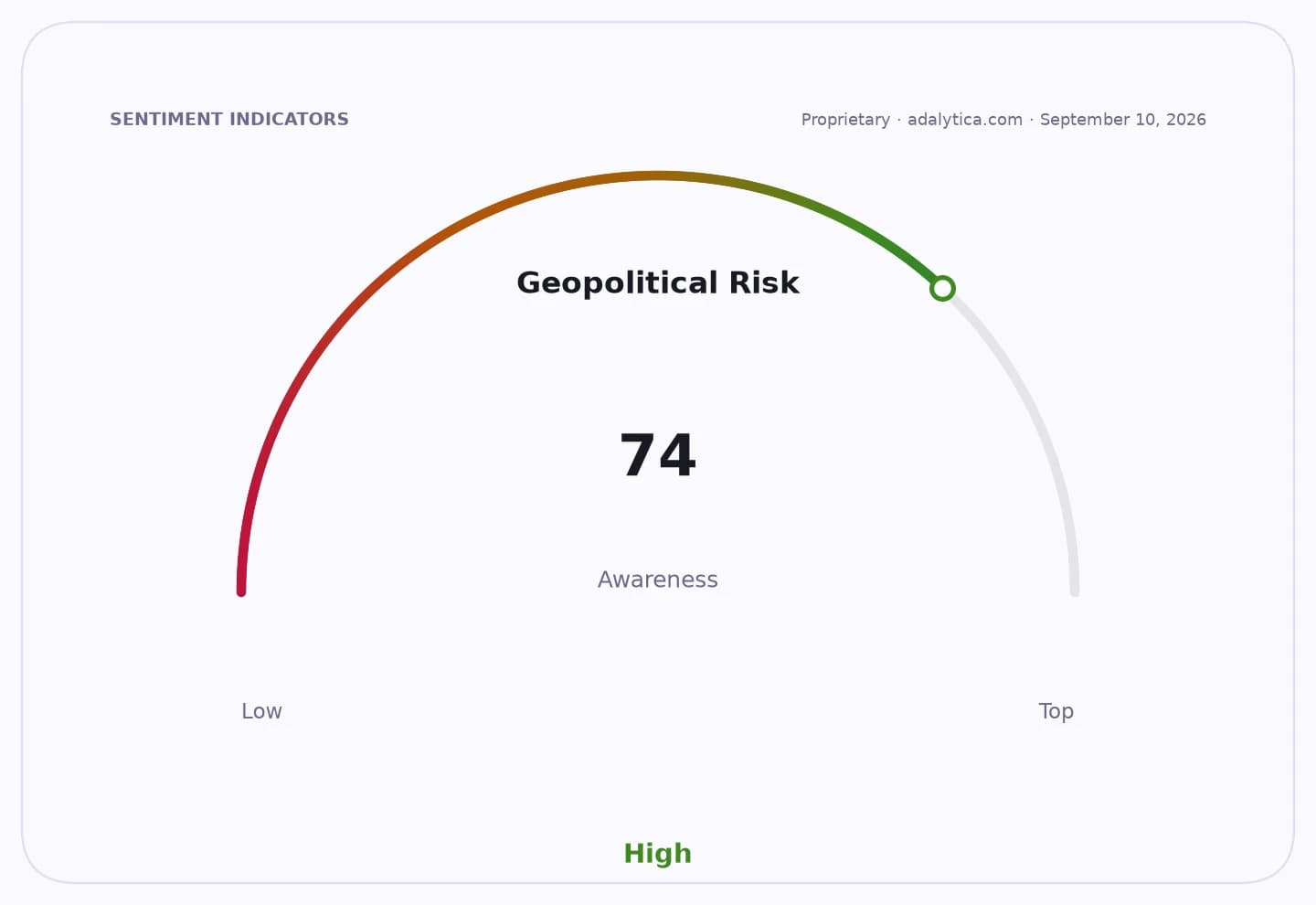
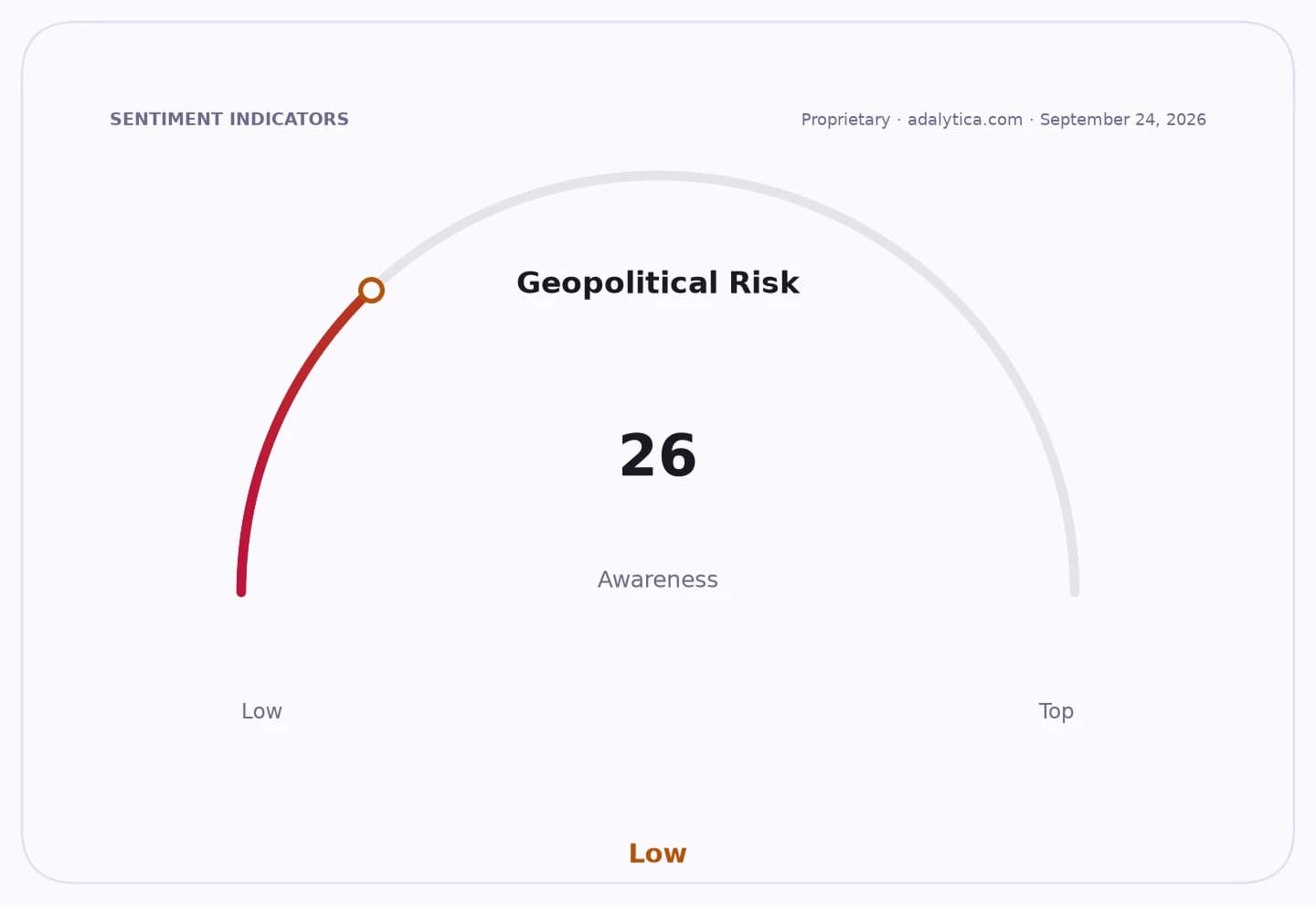
The geopolitical angle also remains central. The market is still carrying a risk premium tied to conflict-related disruptions in the Middle East and the broader fragility of global gas flows. Adalytica’s global stability gauge remains in neutral territory, but with heightened awareness, underscoring that traders are still pricing in tail risks even if panic has eased from earlier peaks.
There is a bull case for Europe’s refill effort: prompt purchases reduce the odds of a scramble later in the season, limit the chance of emergency rationing and keep benchmark spreads from blowing out if winter turns severe. The bear case is that Europe is locking in expensive gas just as demand may soften and supply could improve, leaving buyers overexposed if the weather stays mild.
The next catalyst is the pace of storage injections over the coming weeks and whether policy makers step in with relief for operators facing the cost of stocking up. If refill rates stay strong, Europe may enter winter safer but at a higher price. If they slow, the market is likely to price a sharper security premium into gas and power.
| Entity | Gains | Losses |
|---|---|---|
| Storage operators | ▲Higher injection demand | ▼Inventory risk if prices fall |
| LNG suppliers | ▲Stronger European buying | ▼Buyers facing margin pressure |
| Industrial gas users | ▲None | ▼Higher input costs |
| European consumers | ▲Better winter security | ▼Elevated heating bills |