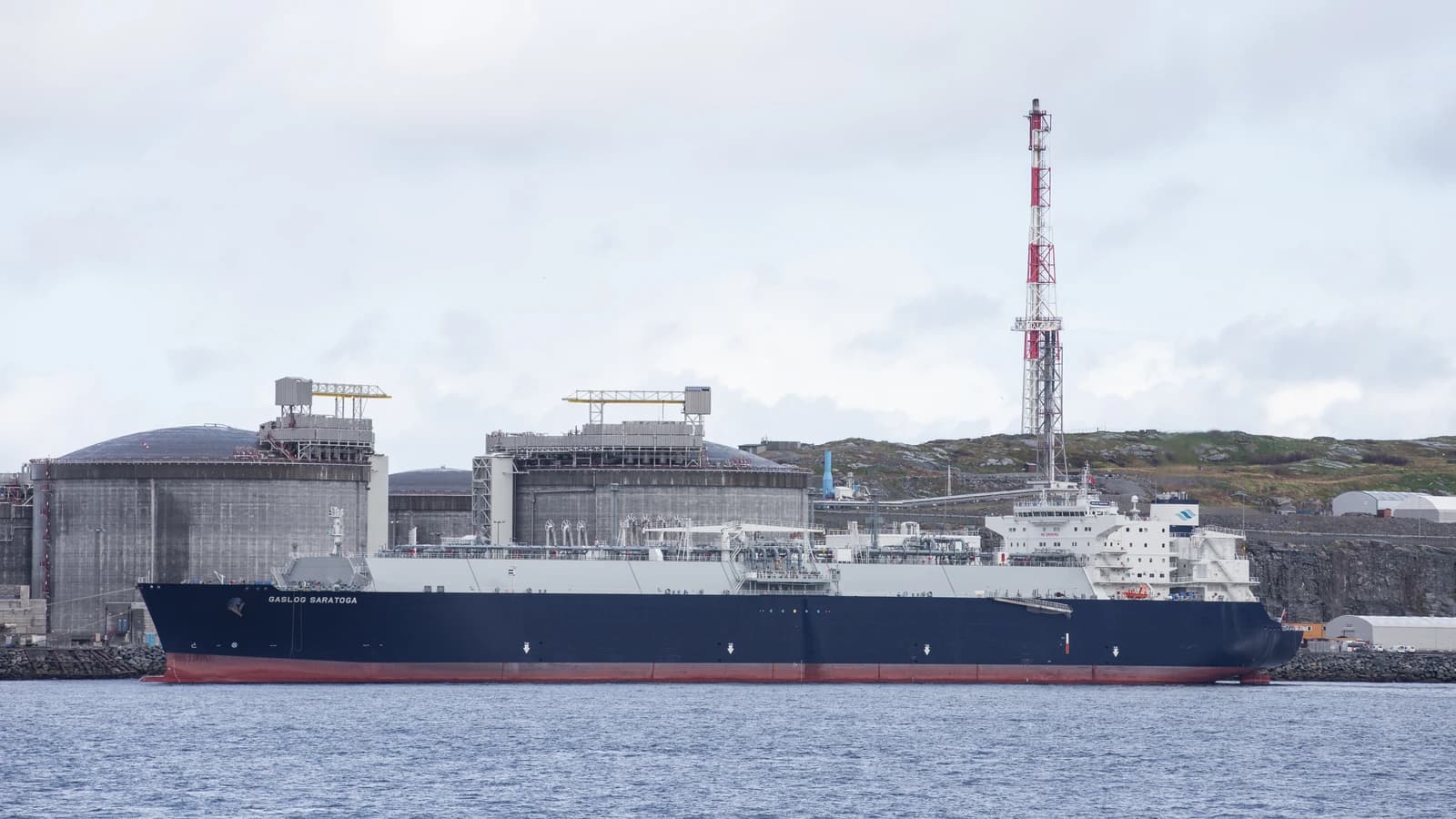
Europe’s natural gas market is back under pressure, with benchmark TTF prices jumping to 92 euros a megawatt hour as a cold snap collides with still-fragile supply.
Europe Natural Gas Prices Rise on Cold Snap
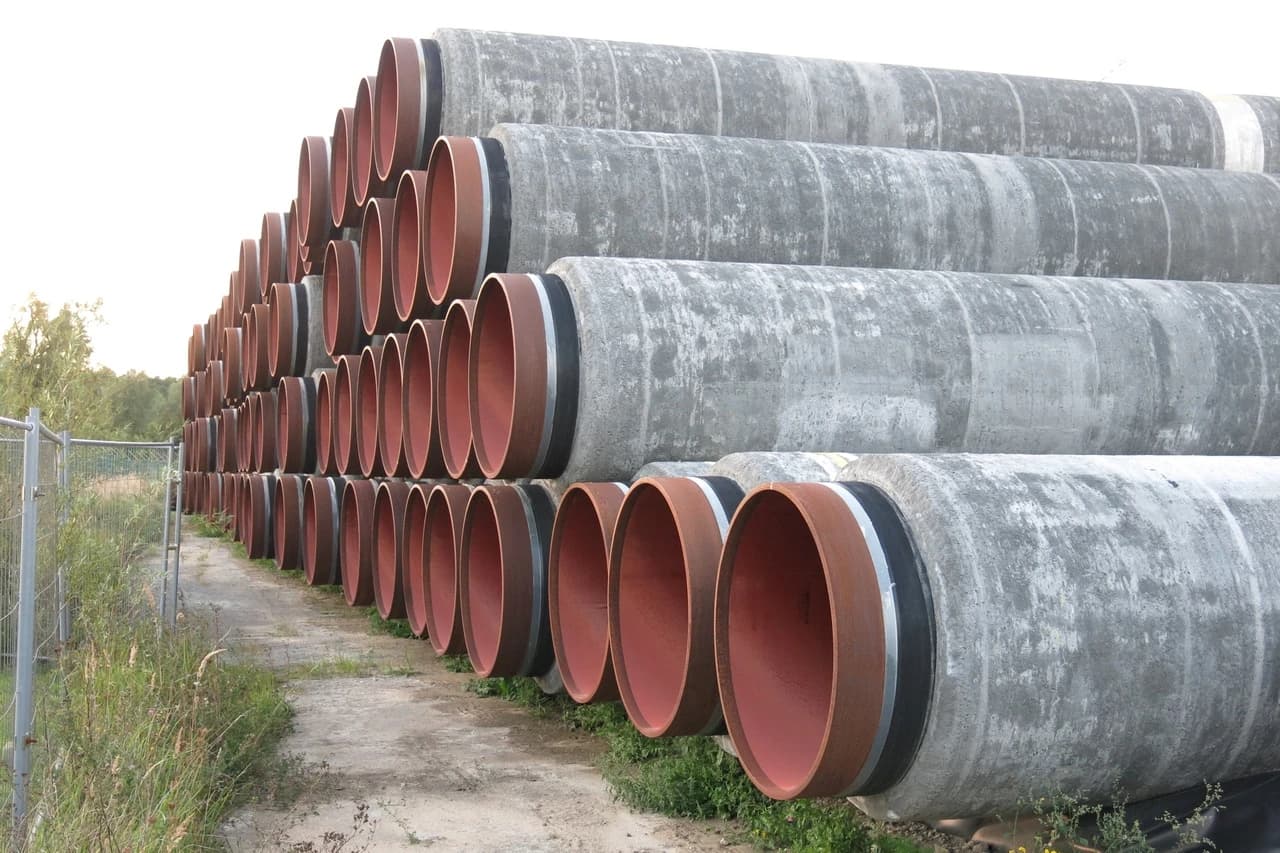
That matters because gas is not just another commodity in Europe: it sets the marginal cost of power, filters into industrial output, and can quickly squeeze households already stretched by years of energy inflation. When gas spikes this fast, the damage spreads well beyond utilities. It reaches factories, fertilizer makers, chemical producers and any company that depends on predictable power costs.
Sentiment Indicators
The move also reinforces a bigger investor lesson: Europe’s energy system remains structurally vulnerable to weather and geopolitics. Even after the scramble to refill storage and diversify away from Russian pipeline gas, the region still has to price in winter demand shocks, LNG competition and any disruption to imports. The fact that the market can reprice so sharply on a cold wave shows how little cushion remains when weather turns against Europe.
For investors, that keeps the trade simple but powerful. Upstream gas producers and integrated majors with LNG exposure remain the clearest beneficiaries, while European industrials and discretionary consumers face another margin squeeze if high gas prices persist. Shell, for example, sits on the right side of that dynamic through its global gas and LNG portfolio, while gas-linked funds such as the United States Natural Gas Fund can benefit from heightened volatility, even if the path is choppy.
Geopolitical Risk
The market is also underestimating how quickly this can ripple into policy. Regulators are already under pressure to contain heating and cooking costs, and further intervention would not be surprising if prices stay elevated. But policy can only smooth the pain at the margin; it cannot create molecules. That is why the real opportunity is to own the companies with secure supply, trading power and LNG optionality before the next cold shock forces the market to pay up again.
| Entity | Gains | Losses |
|---|---|---|
| LNG exporters | ▲Higher realized pricing | ▼More volatile demand |
| Integrated oil majors | ▲Stronger gas margins | ▼Political scrutiny |
| European industrials | ▲Temporary hedging gains | ▼Higher input costs |
| Households and utilities | ▲Short-term policy relief | ▼Heating bill pressure |