VNG has secured long-term natural gas supplies from Norway through 2044, a deal that strengthens one of Germany’s key gas import channels and underlines how European buyers are still prioritizing supply security over short-term price flexibility.
VNG Signs Norway Gas Deal Through 2044
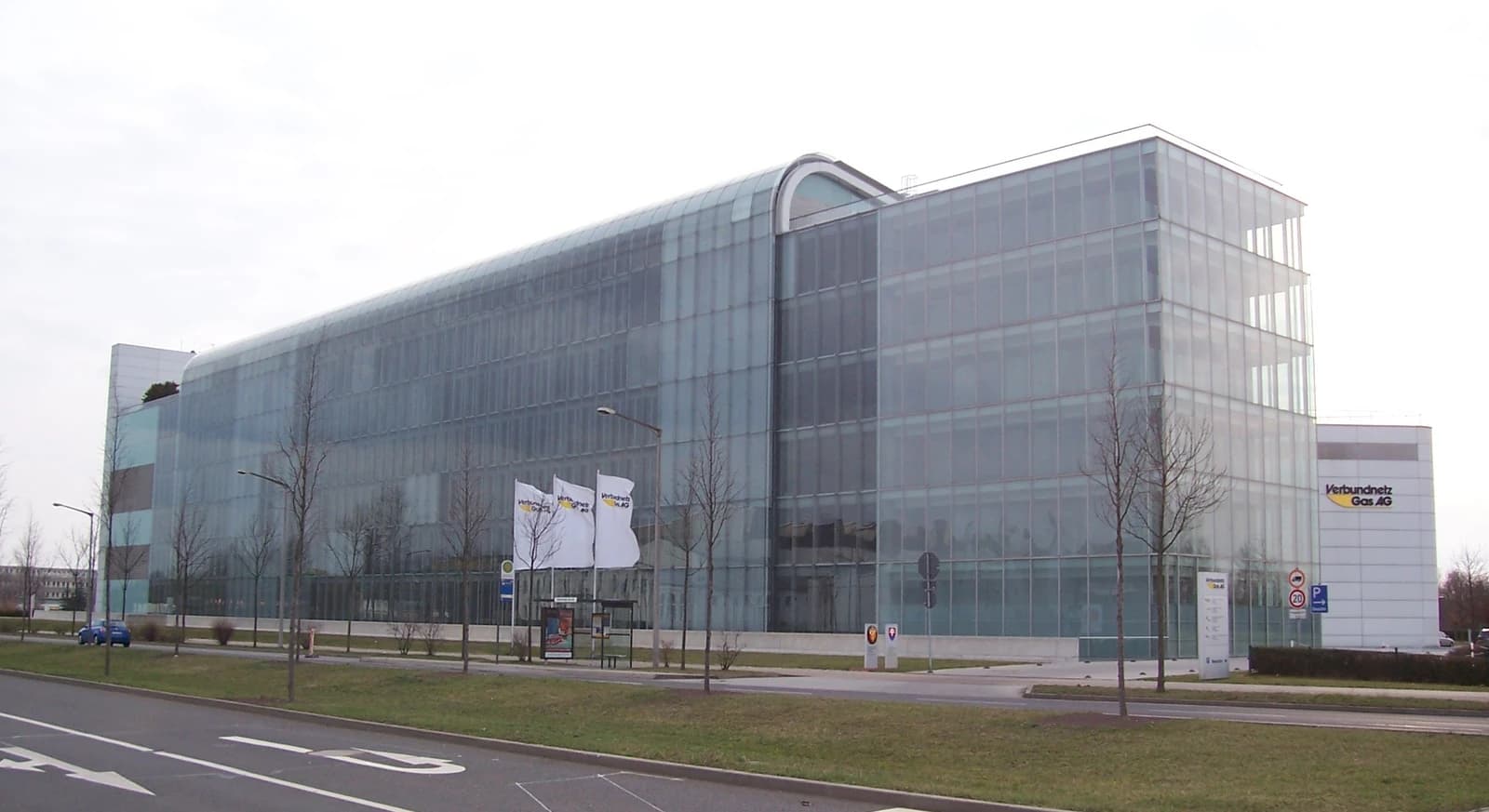
The Leipzig-based trader said its subsidiary VNG Handel & Vertrieb signed a contract with Equinor covering as much as 15.3 terawatt hours a year, with deliveries due to start on Jan. 1, 2027. VNG did not disclose pricing. The company supplies municipal utilities, industrial customers and power plant operators, making the agreement material not only for its own portfolio but also for German energy users that still rely on gas for heating, manufacturing and dispatchable power.
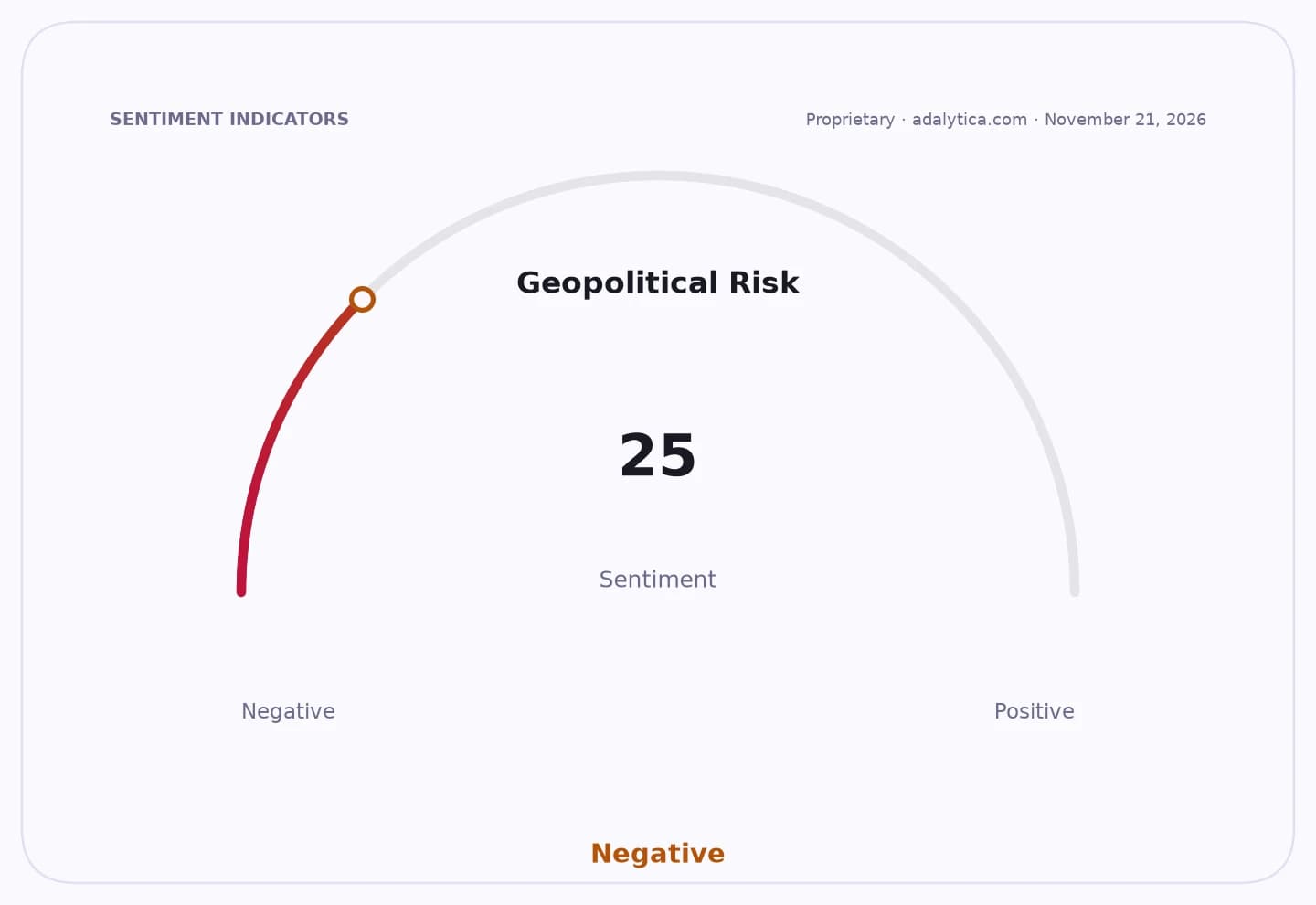
Sentiment Indicators
The deal matters economically because it reduces procurement uncertainty at a time when European gas remains exposed to weather swings, storage levels and geopolitical disruption. Germany’s gas system is currently judged stable by the federal network regulator, but storage was only 57.1% full in the latest assessment, well below levels seen in prior years. That leaves the market more sensitive to winter demand spikes, even if the regulator sees the risk of tight supply as low.
Norway’s role in that picture is central. The country supplied 44% of Germany’s gas imports in 2025, making it the country’s most important external supplier. For Germany, which has spent the past several years rebuilding energy security after cutting dependence on Russian gas, locking in another large Norwegian contract is a signal that long-term pipeline supply from a politically reliable source still anchors the market.
For investors, the agreement is a reminder that gas trading margins are being shaped as much by contract structure and supply diversity as by spot-price moves. Longer-dated offtake can stabilize earnings and reduce exposure to volatile wholesale markets for VNG, while also supporting customer retention among utilities and industrial buyers seeking predictable supply. The absence of price disclosure leaves open the question of how favorable the economics are versus current market levels, but the strategic value is clear: supply security is being monetized as a premium service.
Equinor also benefits from the deal by extending demand visibility from one of Europe’s core buyers. The Norwegian producer has been a major winner from Europe’s post-2022 reshaping of gas trade, as continent-wide buyers shifted toward Atlantic Basin and North Sea suppliers. For Equinor, long-term contracts help lock in export volumes and reinforce Norway’s role as a structural supplier to the European market.
The broader market backdrop remains uneasy even without an immediate shortage. Natural gas prices have stayed volatile, and Europe’s storage cushion is thinner than in the pre-crisis period. That means deals like this are less about expansion than risk management. If winter proves mild, spot prices could ease and the value of fixed long-term supply may look conservative. If temperatures fall sharply or LNG inflows tighten, buyers with contracted Norwegian gas are likely to be better protected than those leaning more heavily on the spot market.
For VNG, the contract gives it planning certainty into the 2040s. For Germany, it reinforces a supply model built on diversification rather than one dominant source. For investors, it is another sign that Europe’s gas market remains defined by security, not complacency.
| Entity | Gains | Losses |
|---|---|---|
| VNG | ▲supply certainty | ▼spot-price flexibility |
| Equinor | ▲long-term offtake | ▼sales optionality |
| German utilities/industry | ▲reliable volumes | ▼exposure to spot volatility |
| Spot gas buyers | ▲lower commitment | ▼less protection in stress events |