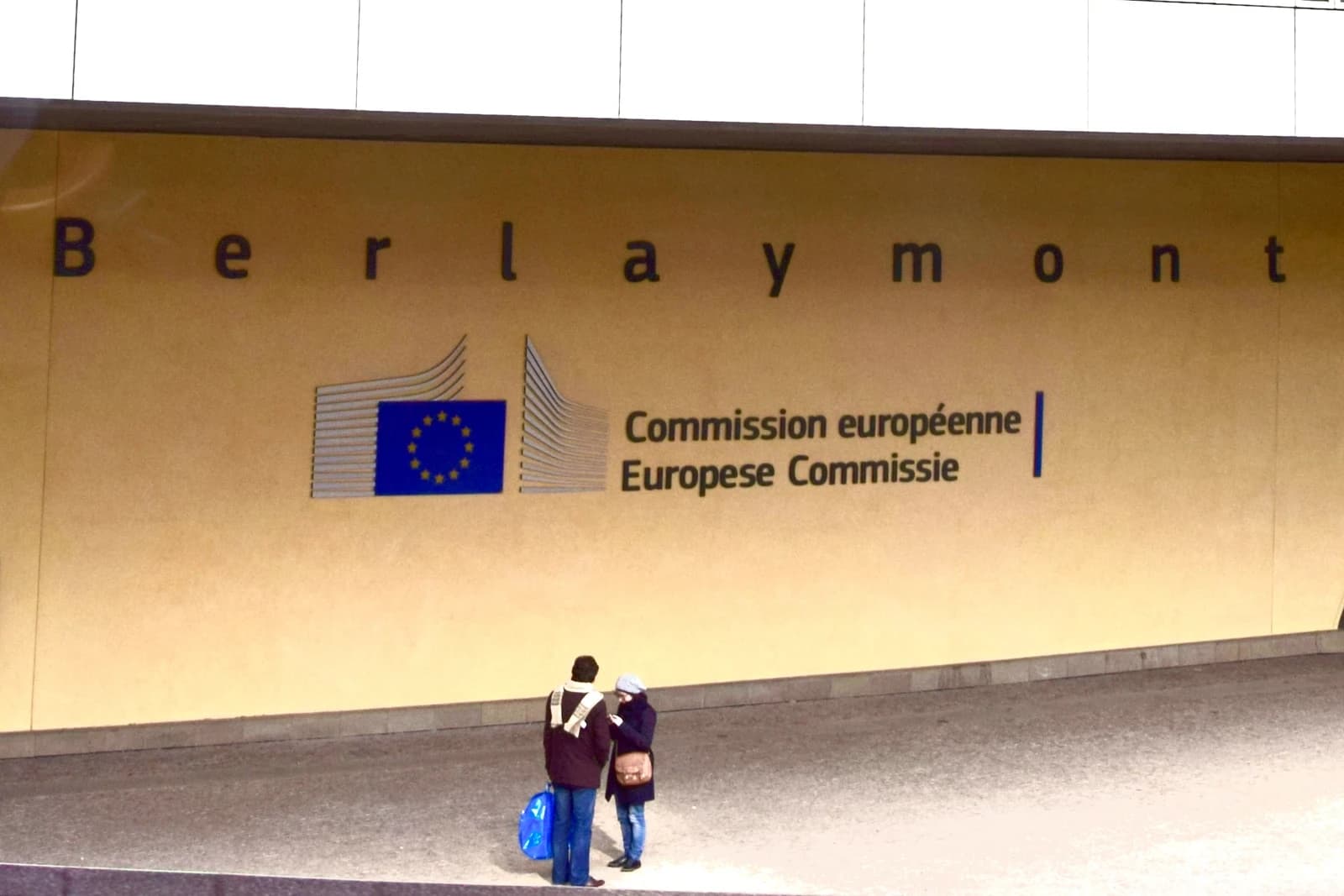
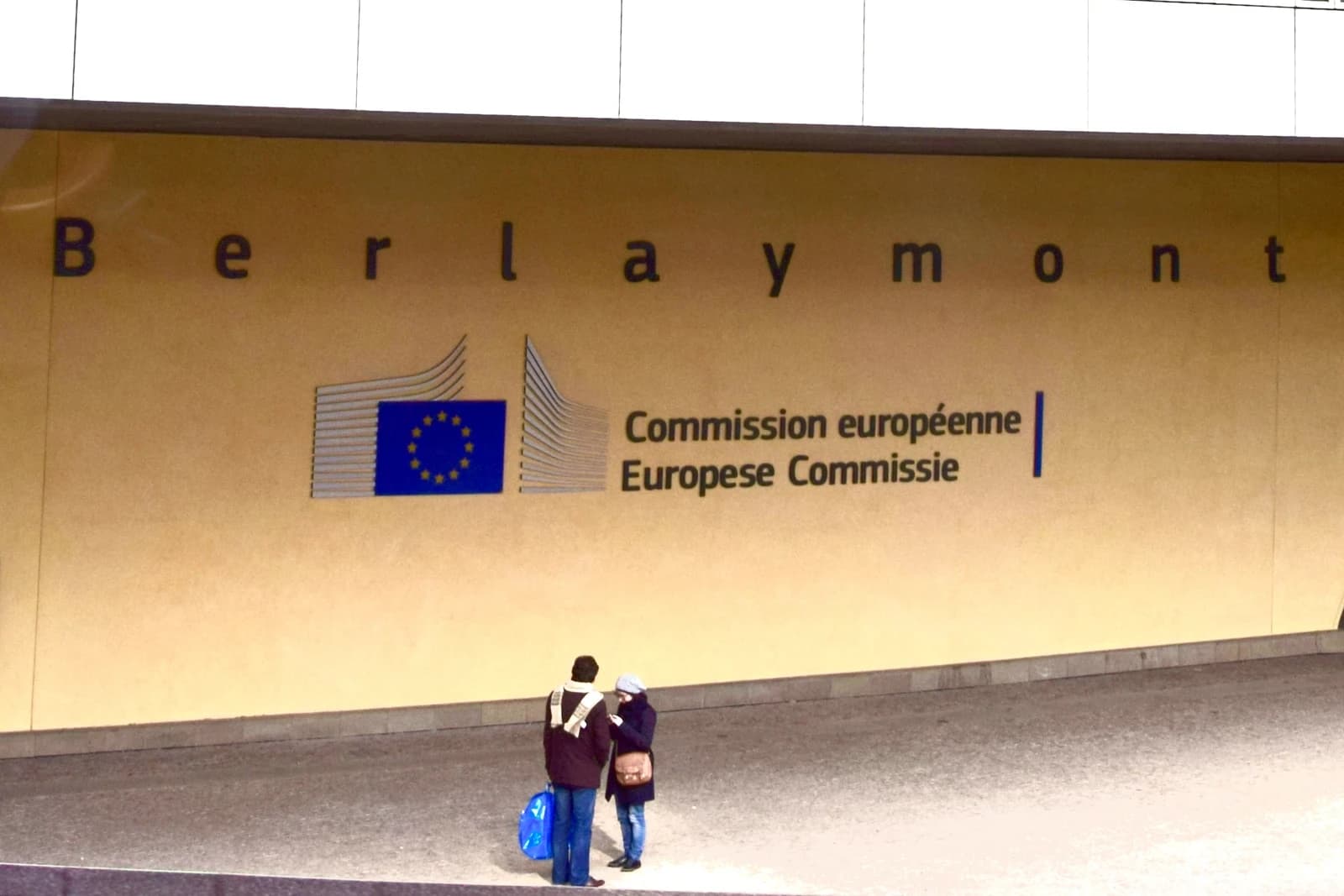
Europe’s far-right and left-wing populists are largely avoiding open attacks on China even as Brussels hardens its stance on Chinese imports, a political blind spot that matters because a broader trade clash with Beijing could become one of the continent’s biggest industrial and market risks.
Europe Populists Avoid Open Attacks on China

That silence is economically important because China is no longer just a distant competitor for Europe’s politicians to rail against. It is a direct challenge to manufacturing, jobs and investment, with Chinese subsidies helping drive a goods trade deficit that the article puts at about 1 billion euros a day in China’s favor, while cheap exports are cited as a factor behind factory closures in Germany and elsewhere.
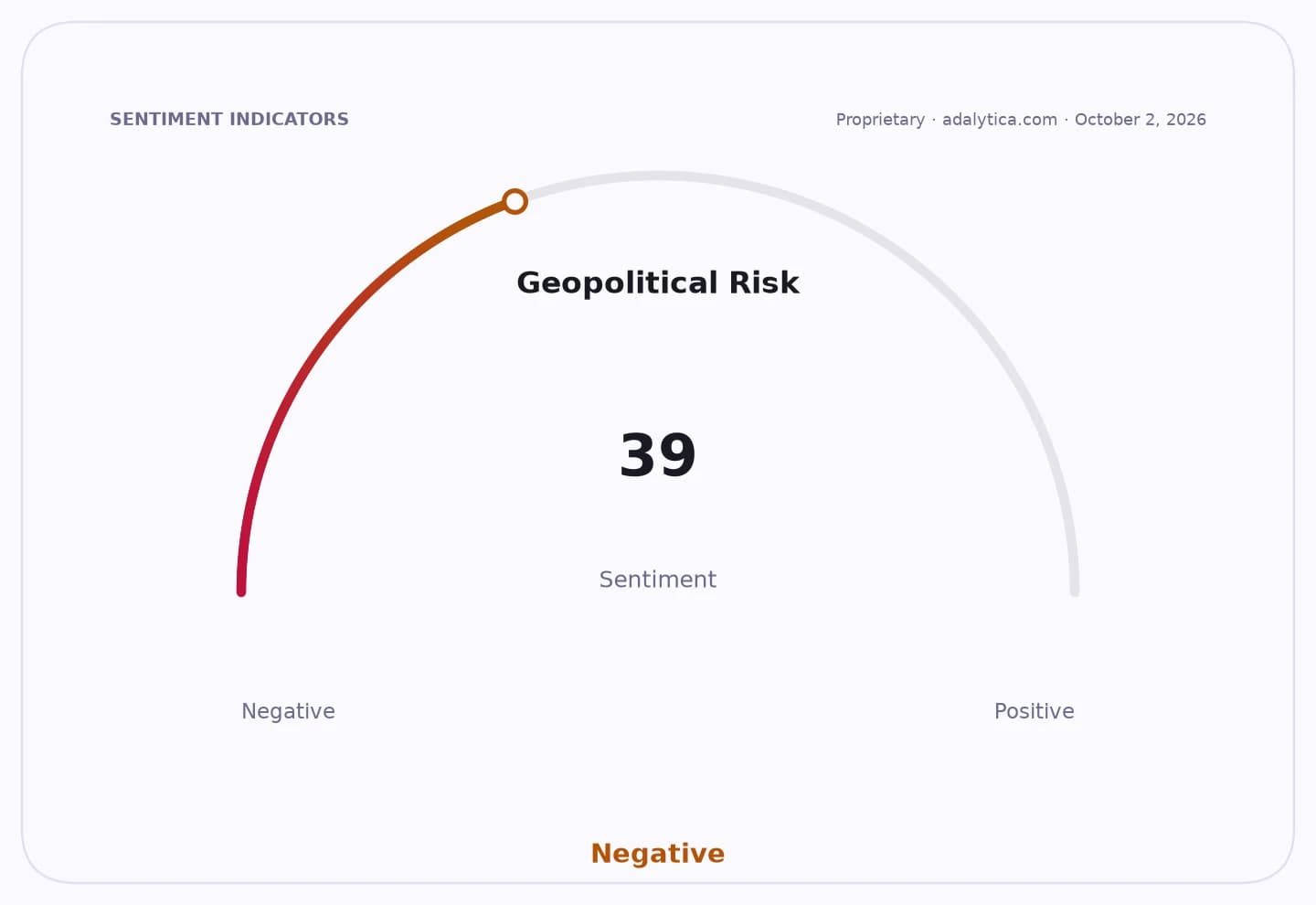
Sentiment IndicatorsⓘProprietary · adalytica.com · October 5, 2026
This is a snapshot — live sentiment, awareness and momentum for 130+ markets update continuously in the dashboard.Open AlphaPulse
For investors, the issue cuts across autos, industrials and the broader European growth outlook. Chinese electric-vehicle imports are still rising despite EU tariffs, and the prospect of more measures from the European Commission raises the odds of retaliation that could hit exporters, chip supply chains and metal and mineral inputs. The latest readings on the FXI China ETF show the pressure points: the fund fell to $33.19 on Oct. 2, below both its 50-day average of $35.13 and 200-day average of $36.07, with RSI at 31.9, a sign of weak momentum after a volatile year.
The political puzzle is that China should, on paper, be easy populist material. It combines the themes populists usually exploit — foreign competition, industrial decline, national sovereignty and distrust of global institutions — yet parties from Germany’s Alternative for Germany to Hungary’s Fidesz and France’s hard left have been notably cautious or even sympathetic.
Part of the answer is practical. China has poured money into European business networks and political circles, making some leaders reluctant to antagonize a source of investment and lobbying support. That helps explain why leaders who built careers on anti-communist or nationalist rhetoric have been willing to soften their tone toward Beijing.
But the larger reason is ideological. For many populists, China is less a villain than a model of strong state power, industrial policy and unapologetic nationalism. In that sense, Beijing’s challenge to the EU exposes a contradiction at the heart of populist politics: confronting China effectively requires coordinated action through Brussels, the very kind of collective European authority they usually reject.
That makes the next phase politically awkward. European Commission President Ursula von der Leyen has already called the China trade gap a “turning point,” and if Brussels escalates tariffs or other trade defenses, populists will have to choose between their anti-EU instincts and the domestic anger over deindustrialization that China helps fuel. The story now turns on whether Europe’s trade fight with Beijing forces its populists to pick a side.
| Entity | Gains | Losses |
|---|---|---|
| Chinese exporters | ▲More market share in Europe | ▼EU tariff pressure |
| European manufacturers | ▲Potential protection from imports | ▼Exposure to retaliation and supply shocks |
| EU institutions | ▲More leverage on trade policy | ▼Populist resistance to Brussels action |
| Populist parties | ▲Short-term flexibility on China | ▼Credibility if they avoid factory-job losses |