A new European security concept built around protecting strategic objects is gaining traction after lessons from Ukraine exposed gaps in infrastructure defense, and the market is already signaling that investors expect more spending to follow.
Europe's Security Shift Boosts Defense Contractors
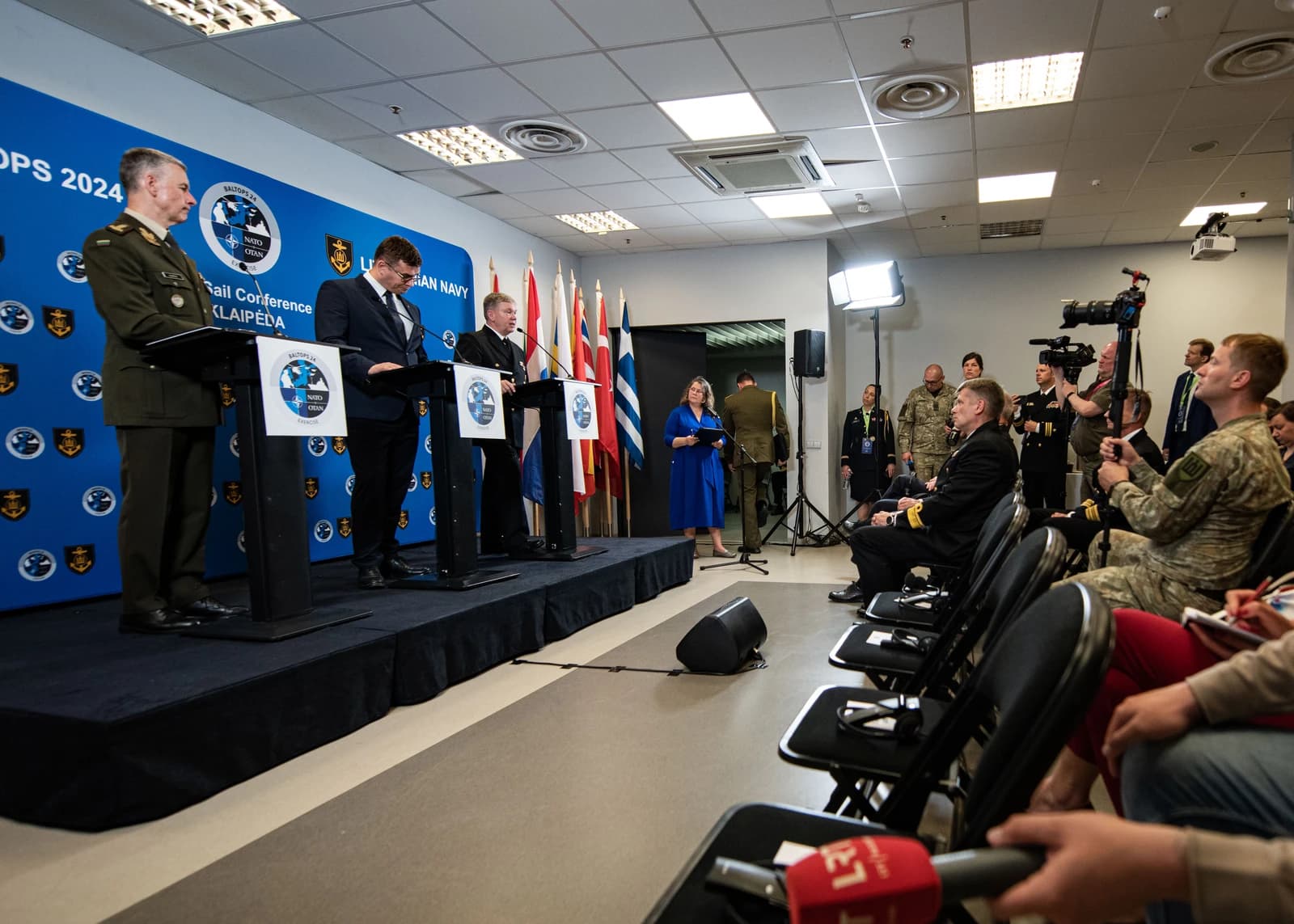
The idea points to a broader shift in Europe from perimeter defense to hardening critical assets — power stations, transport hubs, telecom networks and industrial sites — against sabotage, drones, cyberattacks and hybrid warfare. That matters economically because it implies sustained demand not just for weapons, but for surveillance, command-and-control, cyber protection and integrated security systems across the continent.
Sentiment IndicatorsⓘProprietary · adalytica.com · July 24, 2026
This is a snapshot — live sentiment, awareness and momentum for 130+ markets update continuously in the dashboard.Open AlphaPulse
Defense contractors are trading as if that shift will keep feeding orders. Lockheed Martin jumped to $568.59 on July 23, up 12.1% from the prior session and above its 50-day moving average, while Northrop Grumman rose to $533.48, its strongest close in months. Boeing, which has exposure to defense as well as commercial aviation, has been more volatile and ended July 23 at $209.23, still below its 50-day average of $220.29. All three names remain closely tied to the European rearmament theme and the wider security spending cycle.
The move comes against a backdrop of persistent war risk. Lockheed and Northrop both warned in recent filings that conflicts in Ukraine, Iran and the Western Pacific are elevating global instability and security requirements. That backdrop is feeding orders for systems that can be deployed quickly around airports, energy assets and military sites, rather than waiting years for large platform programs to mature.
For investors, the appeal is twofold: the budget tailwind and the diversification of defense demand. Europe’s security push can support recurring revenue for contractors with missile defense, sensors, space, intelligence and cybersecurity capabilities, while also benefiting suppliers tied to civil protection and infrastructure resilience. Adalytica’s Euro Trade Signals snapshot shows sentiment at 30, in fear territory, even as awareness is neutral, suggesting the market is still pricing the theme cautiously rather than fully embracing it.
The next catalysts are likely to be procurement announcements, NATO and EU budget decisions, and further evidence that governments are converting the Ukraine playbook into funded contracts. If that happens, the winners are likely to be defense primes and security technology providers with European footprints; the losers could be utilities, transport operators and other critical-asset owners that face higher compliance and capital costs.
| Entity | Gains | Losses |
|---|---|---|
| Defense contractors | ▲More European orders | ▼Longer procurement cycles |
| Critical infrastructure owners | ▲Better protection | ▼Higher security capex |
| European governments | ▲Greater resilience | ▼Bigger budget pressure |
| Short sellers | ▲Volatility trades | ▼Security-spending rally |