Eurostat’s confirmation that euro-zone inflation held at 2.0% in June matters because it keeps the European Central Bank exactly where it wants to be on price stability, but not necessarily where investors want it to be on policy certainty.
Eurozone inflation stays at target, easing pressure

For households and businesses, that’s the important nuance. Inflation at the ECB’s target suggests the worst of the post-pandemic price shock has passed, helping preserve purchasing power and reducing the odds of an urgent policy response. But it also leaves the central bank with little room to cut rates aggressively if growth stays soft, which is the real tension now facing Europe’s economy.
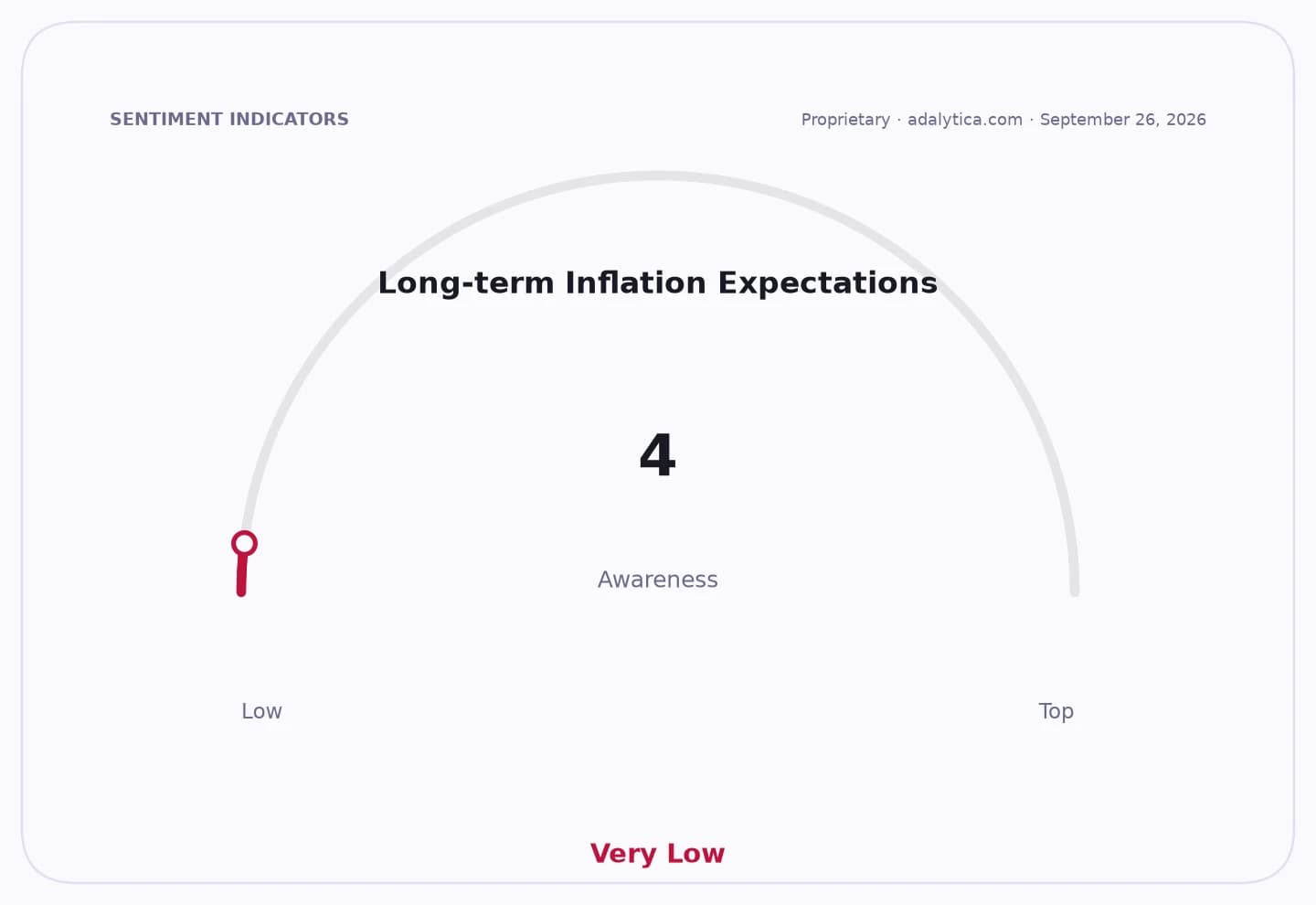
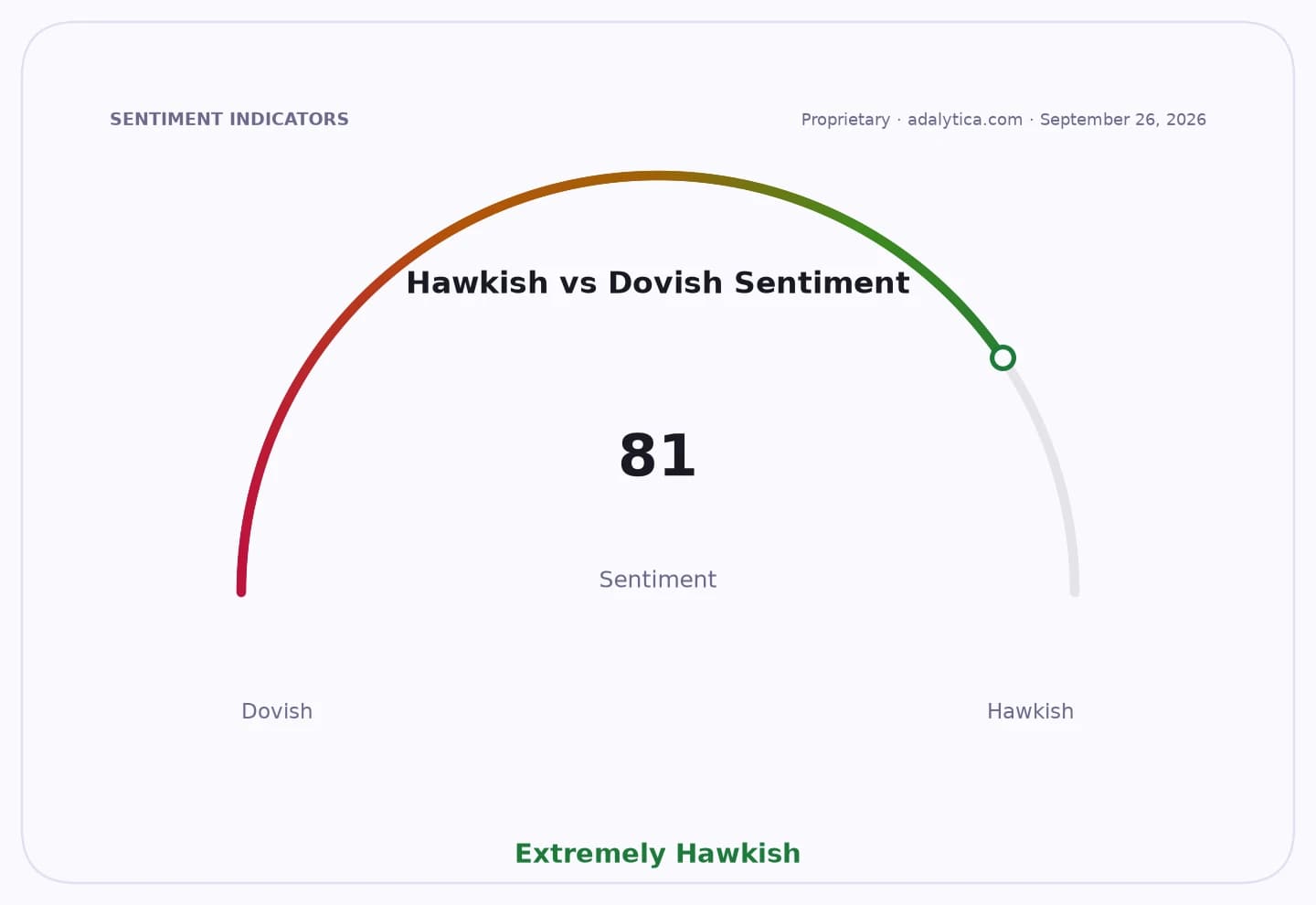
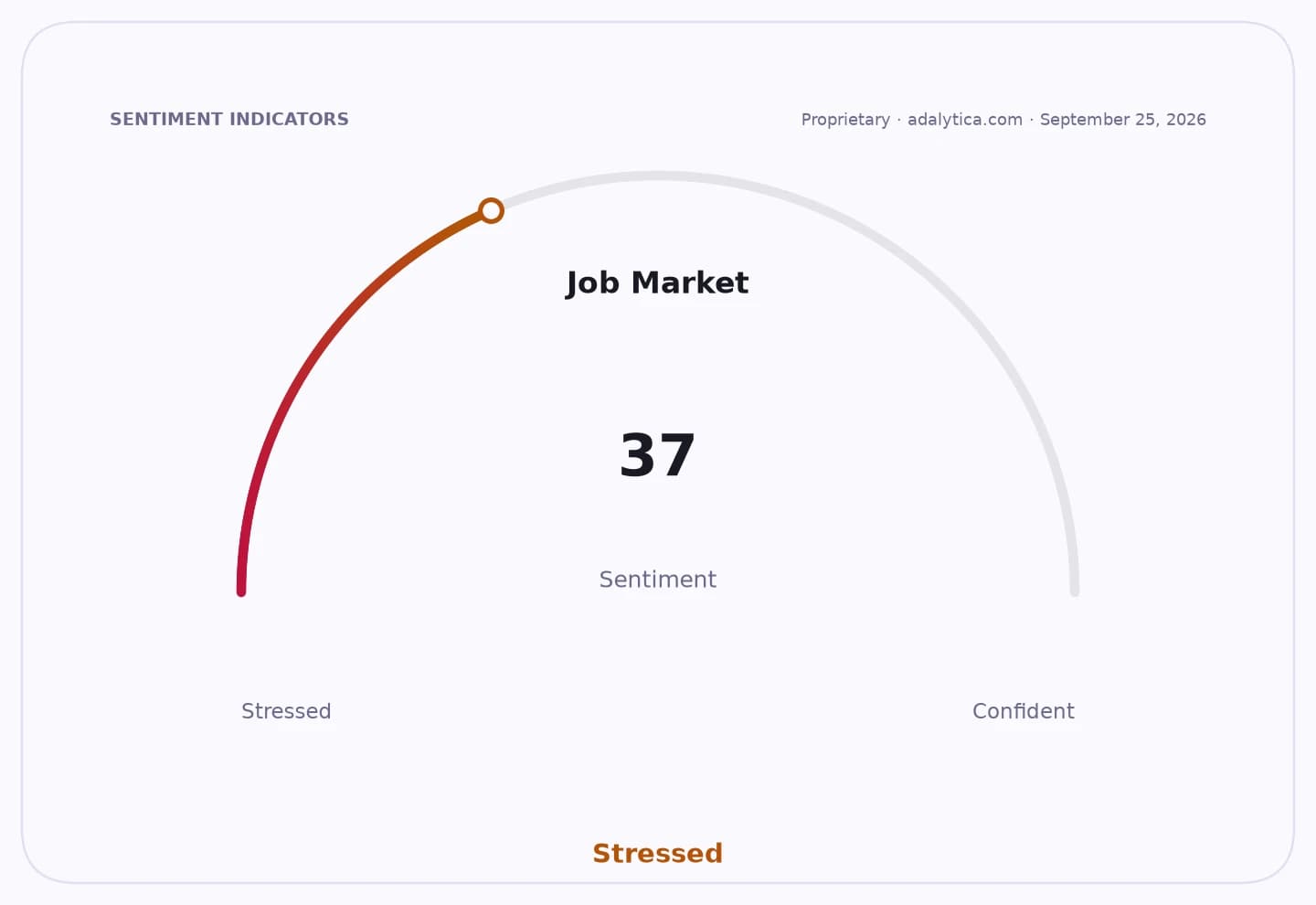
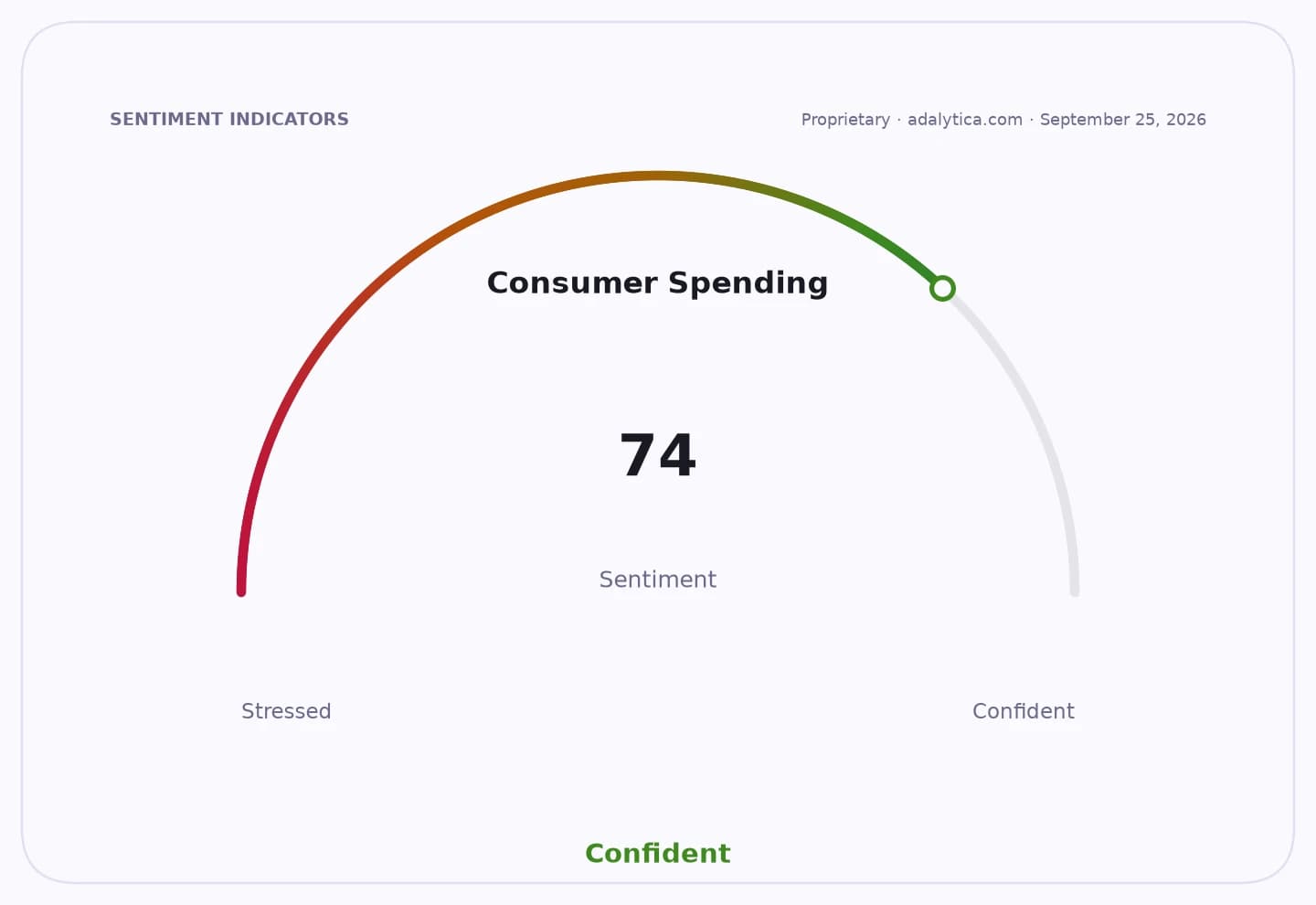
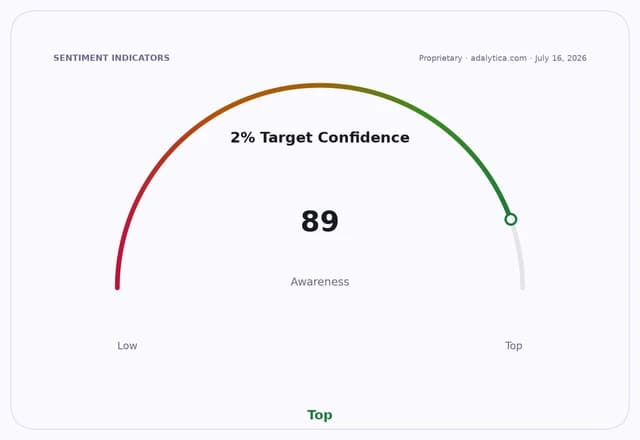
Sentiment IndicatorsⓘProprietary · adalytica.com · July 16, 2026
This is a snapshot — live sentiment, awareness and momentum for 130+ markets update continuously in the dashboard.Open AlphaPulse

That push and pull is showing up in markets. The euro has been drifting around the $1.15 area, after briefly strengthening earlier this year, while the 10-year U.S. Treasury yield has stayed elevated near 4.6%, underscoring how wide interest-rate gaps and sticky global bond yields continue to shape currency moves. FXE, the euro currency ETF, has recently traded just above $105, still below its 50-day and 200-day moving averages, a sign that technical traders have yet to price in a decisive euro breakout.
What makes the June reading especially meaningful is that it arrives with inflation no longer behaving like an emergency, but not yet like a solved problem either. The latest print suggests the ECB can stay patient, which is good news for bondholders and for euro-zone borrowers who have been squeezed by higher financing costs. At the same time, a stable 2% reading does not automatically translate into a faster easing cycle if core pressures or services inflation remain sticky.
That is why the market reaction may stay muted even though the headline is important. Investors do not just want inflation at target; they want inflation to stay there without another energy shock, tariff flare-up or currency squeeze pushing prices back up. Europe remains exposed to imported energy and to geopolitics, so a clean victory over inflation is still vulnerable to events outside the ECB’s control.
For long-term investors, the takeaway is straightforward: the euro zone is moving from an inflation crisis toward a policy-normalization phase, but the path from there to stronger growth is still uncertain. That usually favors patience over prediction. In a market like this, diversified exposure to quality European businesses and broad funds can make more sense than trying to time every ECB headline. For now, euro-zone inflation at target is worth watching — but the next big driver for investors may be growth, not prices.
| Entity | Gains | Losses |
|---|---|---|
| ECB | ▲Policy room | ▼Urgency to act |
| Euro-zone consumers | ▲Stable prices | ▼Faster wage gains |
| Bond investors | ▲Rate-cut visibility | ▼Inflation surprises |
| Euro bulls | ▲Supportive inflation data | ▼Stronger U.S. yields |