Eurozone wage growth accelerated only marginally in the third quarter, giving the European Central Bank some room to argue that higher energy prices are not yet feeding into a damaging wage-price spiral even as inflation sits at 4%.
Eurozone Wage Growth Rises Slightly in Q3
The ECB said collectively agreed wages rose 2.57% from a year earlier, up from a revised 2.45% in the previous quarter. That is still far below the 5.51% peak seen in 2024, a sign that the bloc’s labor market has so far absorbed the recent energy shock without a broad acceleration in pay settlements.
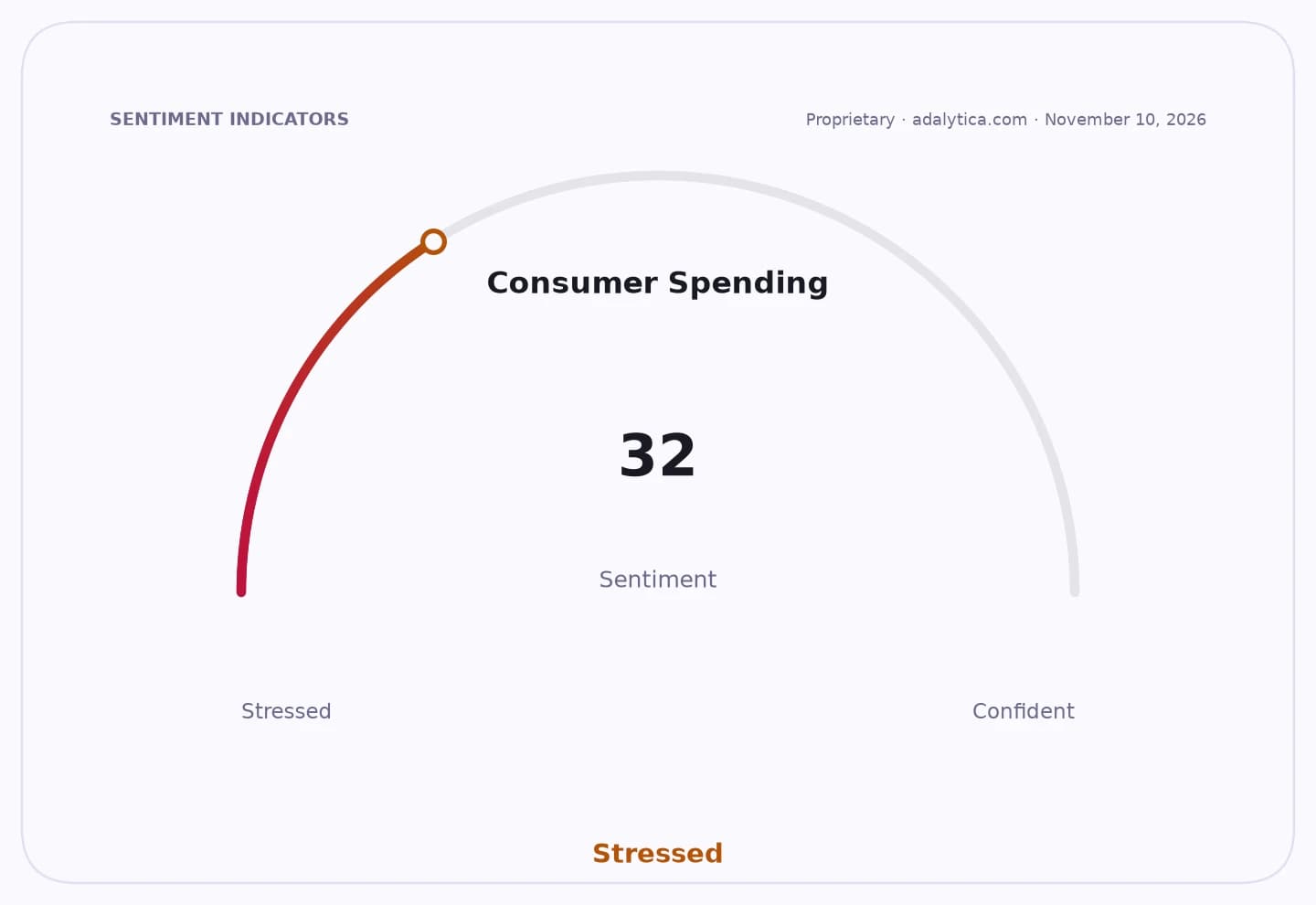
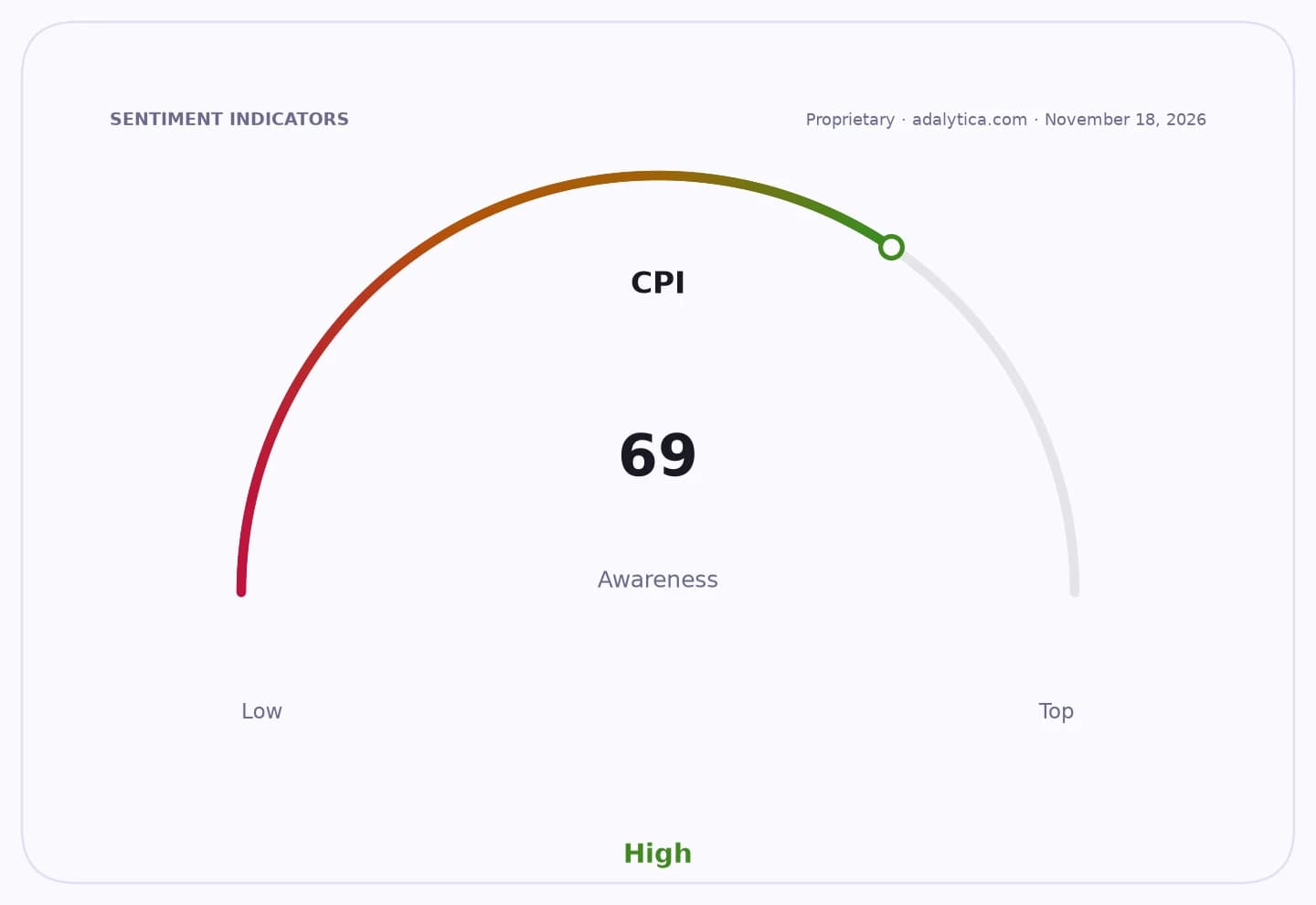
Sentiment Indicators
That matters because the central bank is trying to cool inflation without choking off a recovery that remains fragile. Officials have already lifted rates twice in 2026 and a further move in December is widely seen as possible, with some policymakers leaving the door open to additional tightening in 2027. A moderation in wage pressure reduces the risk that the ECB has to respond more aggressively to inflation driven mainly by energy rather than domestic demand.
For investors, the read-through is important for rate expectations and European assets. Softer-than-feared wage growth makes it easier for the ECB to keep tightening gradual, which can support sovereign bonds and limit the downside for rate-sensitive equities. It also matters for the euro, which has been buffeted by the tension between higher European rates and a weakening growth outlook. FXE, the euro-tracking fund, was last around 101.3, below both its 50-day and 200-day moving averages, reflecting lingering caution on the single currency.
The data also supports the view that inflation remains a policy problem, but not yet a second-round wage problem. Consumer prices are running at 4%, double the ECB’s 2% target, and policymakers expect price pressures to intensify in coming months as energy costs filter through the economy. But so far there is little evidence that workers are securing wage gains large enough to embed those costs across goods and services.
That leaves the ECB in a narrow policy corridor. A too-soft response risks letting energy-driven inflation persist, while a too-hawkish one could deepen the slowdown. The latest wage figures tilt the balance slightly toward patience, even as the central bank keeps a bias toward further tightening if inflation broadens.
The key question for markets is whether this remains a temporary breather or the start of a more durable easing in wage momentum. If pay growth keeps drifting lower, the ECB’s path becomes easier and the case for an extended hiking cycle weakens. If energy shocks continue and settlements reaccelerate, rate expectations will reset quickly.
| Entity | Gains | Losses |
|---|---|---|
| ECB | ▲More room to avoid aggressive hikes | ▼Less urgency to act fast on inflation |
| Borrowers | ▲Lower risk of sharper rate increases | ▼— |
| Eurozone workers | ▲Some protection from runaway prices | ▼Slower wage catch-up to inflation |
| Bond investors | ▲Better odds of a gradual policy path | ▼Inflation risk remains elevated |