Russia’s attempt to carve out a 20-kilometer control zone along the Ukrainian border is the latest sign the war is hardening into a longer, more expensive security problem for Europe, not just a battlefield contest in eastern Ukraine.
EWU rises as Europe boosts defense spending

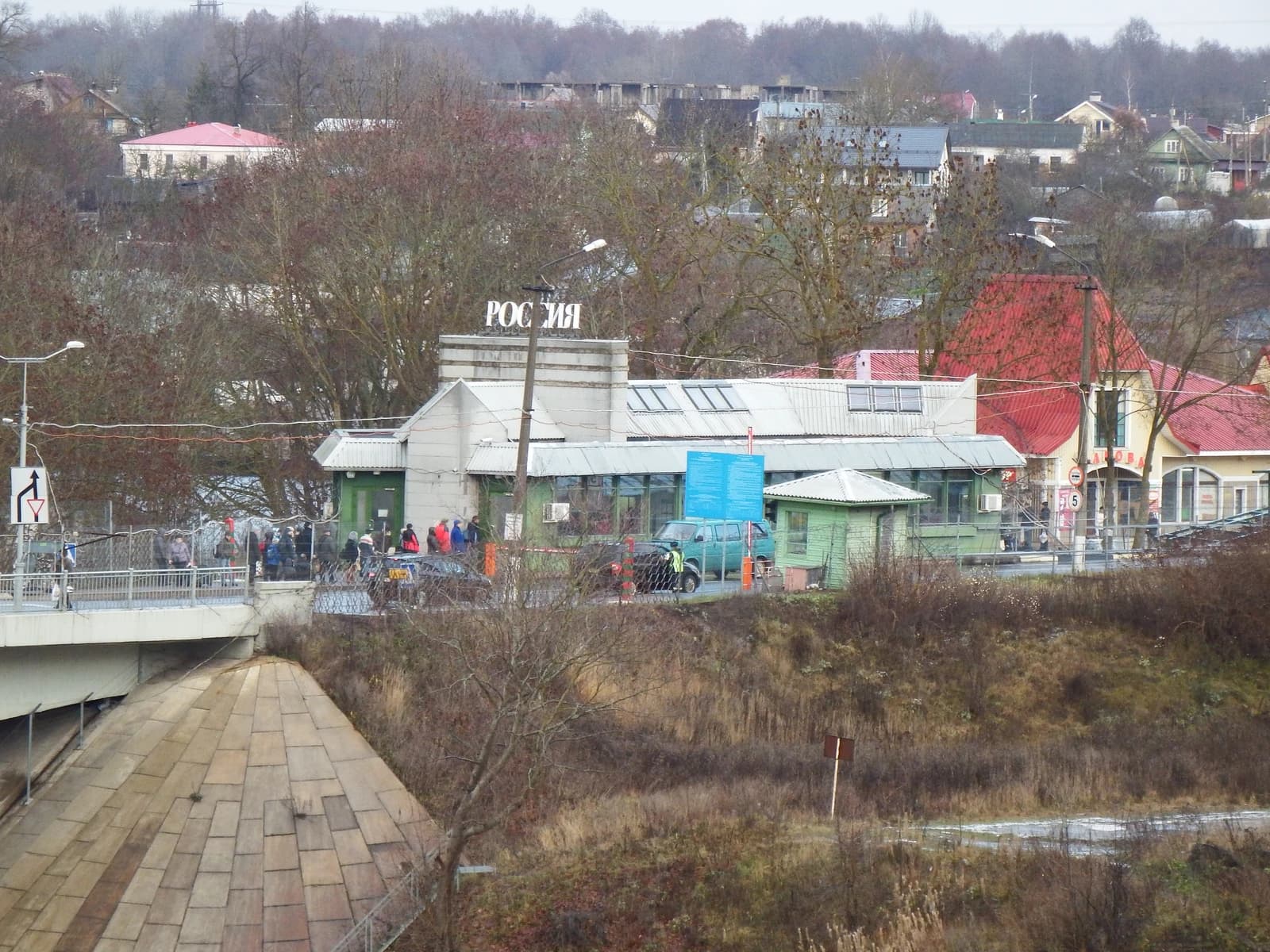
That matters because a border buffer of that size would deepen the economic damage well beyond the front line. It would keep transport corridors under pressure, raise insurance and logistics costs, and force neighboring states to spend more on fences, surveillance, air defense and emergency infrastructure. The closure of the Orlivka crossing after Russian drone strikes on the border with Romania shows how quickly the conflict now ripples into trade routes and civilian movement far from the main front.
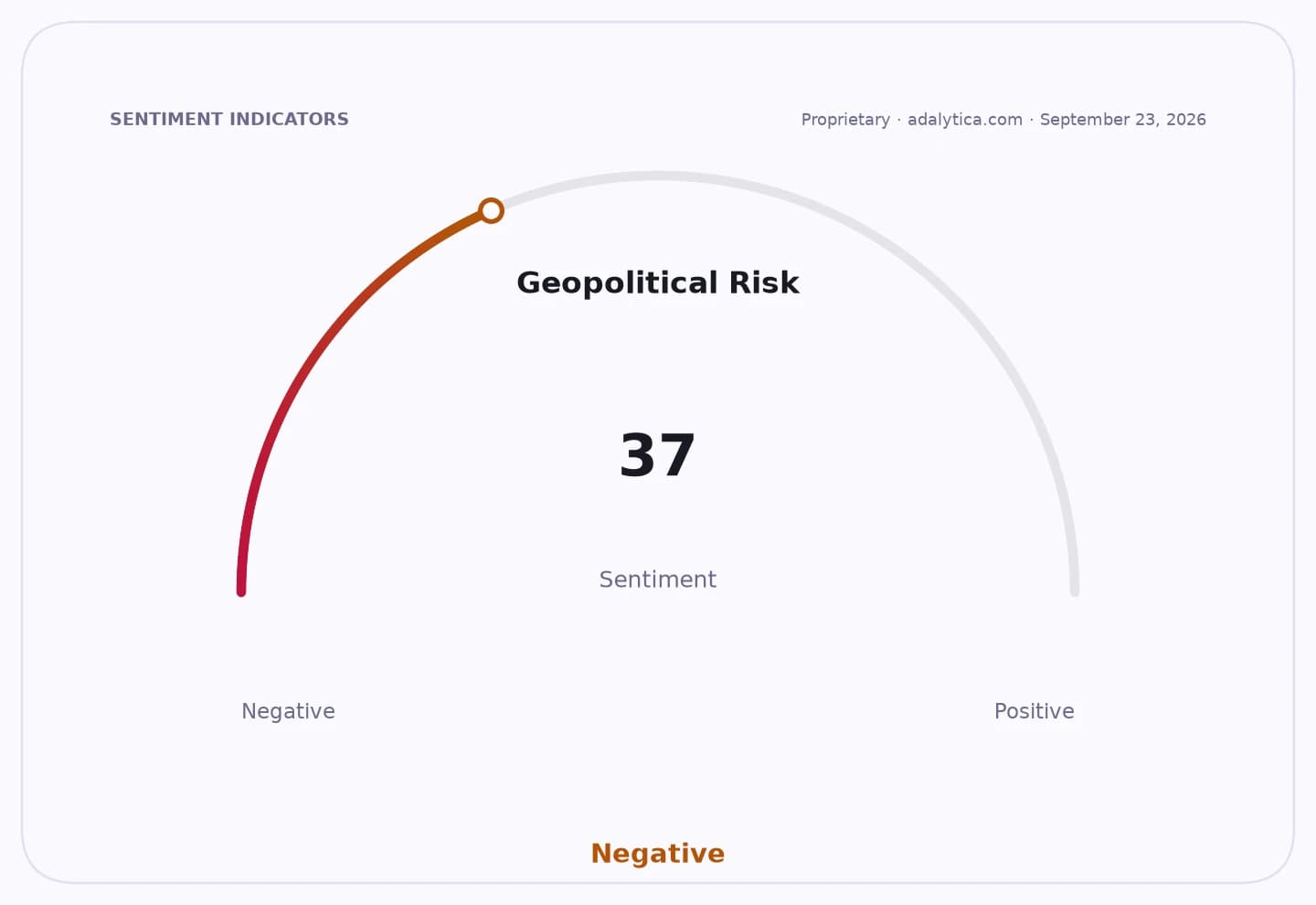
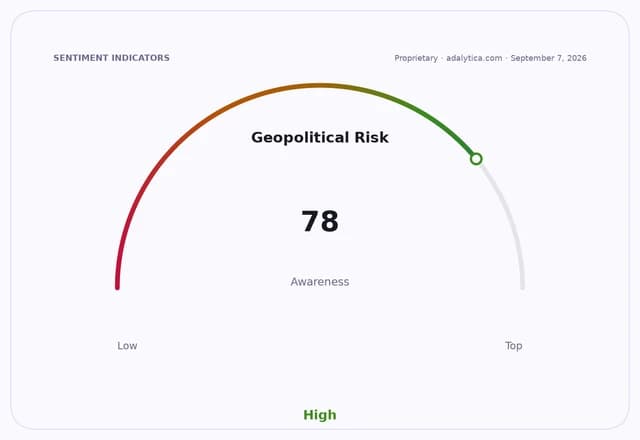
Sentiment IndicatorsⓘProprietary · adalytica.com · September 7, 2026
This is a snapshot — live sentiment, awareness and momentum for 130+ markets update continuously in the dashboard.Open AlphaPulse

For investors, the message is not about one more skirmish. It is about a structural rerating of European security spending. When Russia is still trying to expand control zones four years into the war, the market should assume elevated defense capex, tighter border controls and more demand for unmanned systems, electronic warfare, radar, fencing and critical infrastructure protection. That is why the beneficiaries are not just prime defense contractors, but also the picks-and-shovels names tied to surveillance, communications and resilient logistics.
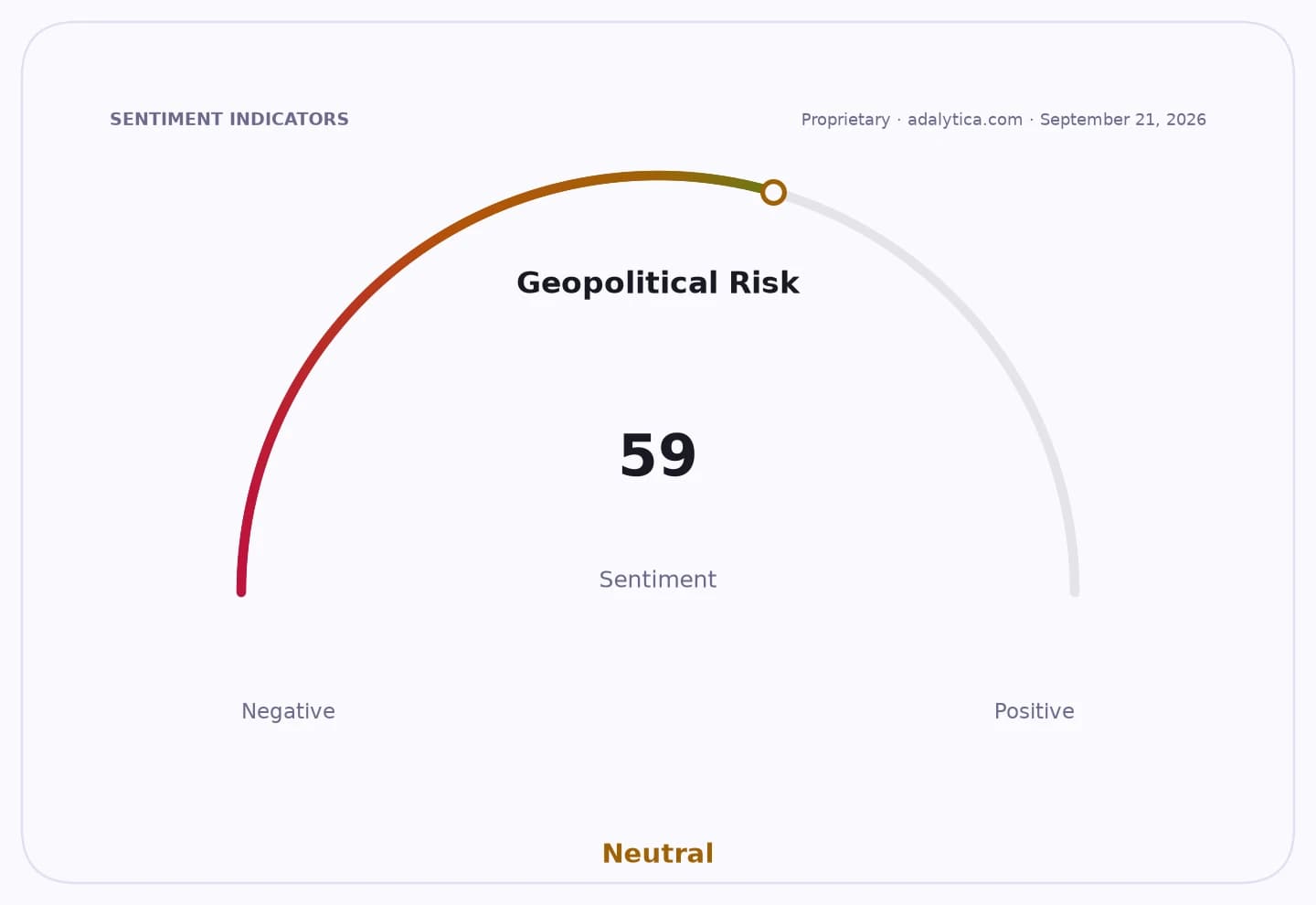
The market is already starting to price that reality. The iShares MSCI United Kingdom ETF, EWU, has climbed to 48.59, above both its 50-day moving average at 47.71 and its 200-day average at 45.71, while holding near the upper end of its recent Bollinger Band range. That tells you investors are not treating Britain as a pure domestic story anymore; they are increasingly looking at UK equities through the lens of defense exposure, industrial resilience and Europe’s security bill. The broader geopolitical backdrop is also deteriorating, with Adalytica’s Global Stability Sentiment holding at a neutral 48 even after sharp swings in recent days, a sign that investors are becoming accustomed to instability rather than dismissing it.
Geopolitical Risk vs EWUadalytica.com
Explore this data interactively — full history, time series and cross-market comparisons.Open AlphaPulse
Finland’s completion of a 200-kilometer fence on the Russian border reinforces the same thesis: Europe is entering a multi-year rearmament and hard-border cycle. That is bullish for defense and border-security suppliers, supportive for select industrial and infrastructure names, and negative for transport, tourism and any business model that assumes frictionless movement across Europe’s eastern edge.
My view is that the market still underestimates how persistent this capex cycle will be. If Russia keeps pushing pressure zones, Europe will keep paying for deterrence. Investors should position accordingly in defense, security infrastructure and critical industrial supply chains before the next escalation forces another repricing.
| Entity | Gains | Losses |
|---|---|---|
| Defense contractors | ▲Higher orders | ▼Peace dividend |
| Border-security suppliers | ▲More spending | ▼Weak demand |
| Transport and logistics firms | ▲— | ▼Crossing disruptions |
| Russia’s neighbors | ▲More urgency | ▼Higher security costs |