China’s call for a political solution to the Korean Peninsula crisis matters because it points to a familiar but economically important truth: when Washington, Beijing, Seoul and Pyongyang are all speaking about security, investors are really trading the odds of stability. For South Korea-focused assets, that means the market is watching not just headlines, but whether tensions stay contained enough to protect trade, supply chains and sentiment toward the region.
EWY Rises as Korea Tensions Ease
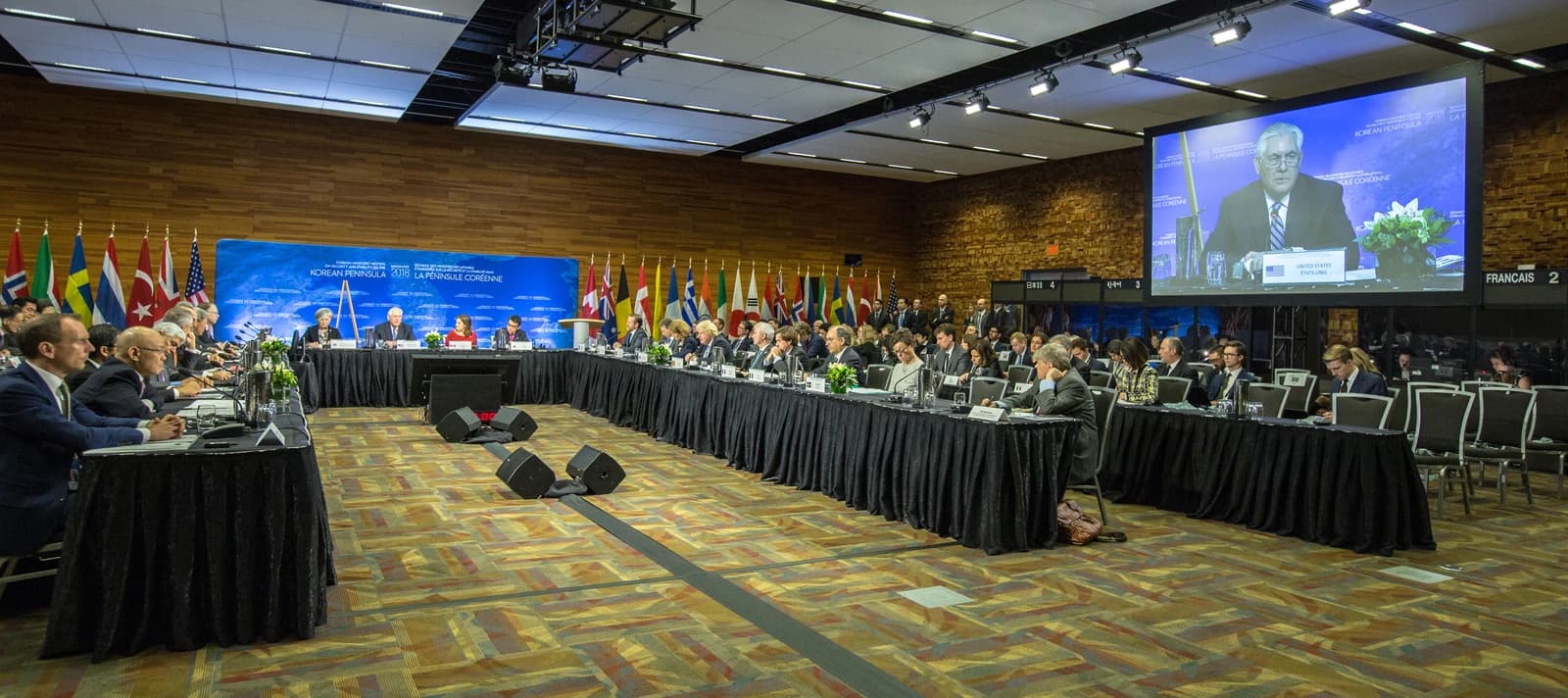
Trump’s U-turn on Korea has added another layer of uncertainty to an already fragile geopolitical backdrop, and China has moved quickly to frame the response in diplomatic rather than military terms. That matters because Beijing remains one of the few powers with leverage over North Korea, while South Korea sits at the center of a supply chain web that runs from chips to autos. Any breakdown in communication risks higher defense spending, sharper currency swings and more pressure on companies tied to the Korean economy.
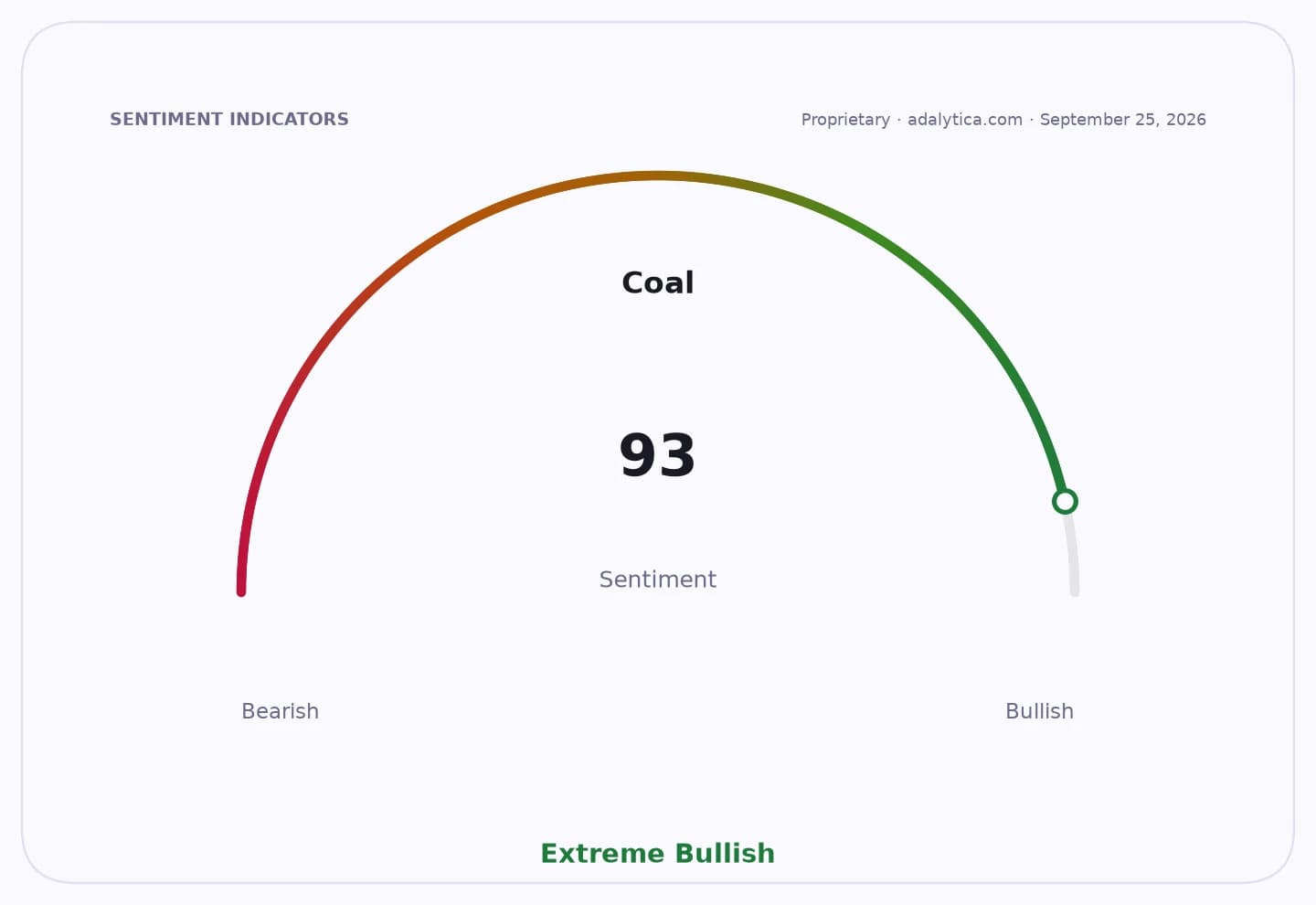
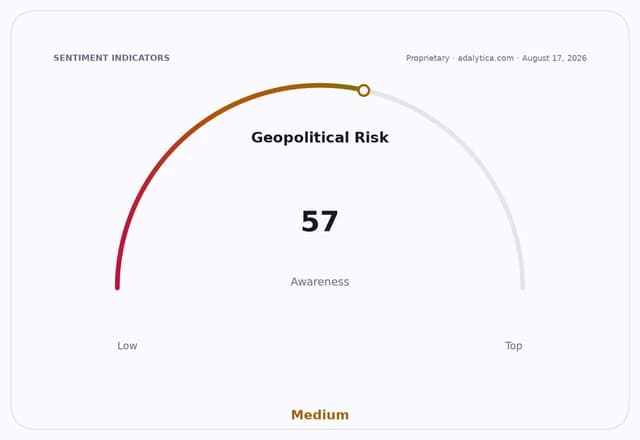
Sentiment IndicatorsⓘProprietary · adalytica.com · August 17, 2026
This is a snapshot — live sentiment, awareness and momentum for 130+ markets update continuously in the dashboard.Open AlphaPulse
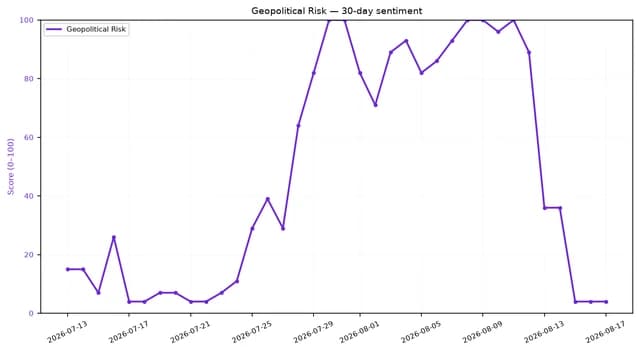
The market has not been waiting for a peace dividend to emerge, but it has been pricing in the possibility of a stronger South Korea rebound. The iShares MSCI South Korea ETF, EWY, has climbed to about $179 from roughly $126 in March, a remarkable move that shows how quickly investors can re-rate a market when fear recedes. Its 50-day moving average has risen to around $180, while its 200-day moving average sits near $141, a sign the longer-term trend has improved even after recent choppiness. The ETF’s RSI reading around 61 suggests momentum is still constructive, though not overheated.
That kind of move tells you something important about investor psychology: geopolitical risk is often discounted first, then reconsidered later. South Korea is not just a border story. It is home to exporters, semiconductor makers and global industrial names that depend on predictable regional trade. If tensions escalate, the losers are clear — foreign investors, manufacturers and currency stability. If diplomacy gains traction, the beneficiaries are just as obvious: Seoul’s market, regional exporters and long-term holders looking for a cheaper entry point into Asia’s technology cycle.
The broader China angle also matters. A political solution would fit Beijing’s preference for managing the peninsula without creating a security vacuum on its border, even if progress remains limited. But the latest North Korean threats ahead of joint US-South Korea drills are a reminder that rhetoric can quickly overwhelm diplomacy. That keeps risk premiums elevated across Korean assets, including equity funds such as EWY and Chinese internet and broad China ETFs like FXI and KWEB, which remain sensitive to any widening in US-China tensions.
For investors, the lesson is not to chase the latest headline, but to understand what kind of volatility it creates. Geopolitical fear can create sharp swings, yet it can also reset valuations and open long-term opportunities. If China keeps pressing for a political track and Washington avoids a full escalation, South Korean equities could remain a resilient way to participate in an eventual stability trade. For patient investors, it is worth watching — and worth keeping on the list for long-term buying opportunities.
| Entity | Gains | Losses |
|---|---|---|
| South Korea equities / EWY | ▲Lower risk premium | ▼Escalation fears |
| China | ▲Diplomatic leverage | ▼Regional instability |
| North Korea | ▲Attention and leverage | ▼Harder sanctions pressure |
| Long-term investors | ▲Potential re-rating | ▼Short-term volatility |