Gas prices have climbed back to levels that make ExxonMobil a practical inflation hedge, and the math now looks more compelling for investors who want energy exposure to offset what they pay at the pump.
ExxonMobil as a hedge for higher gas prices

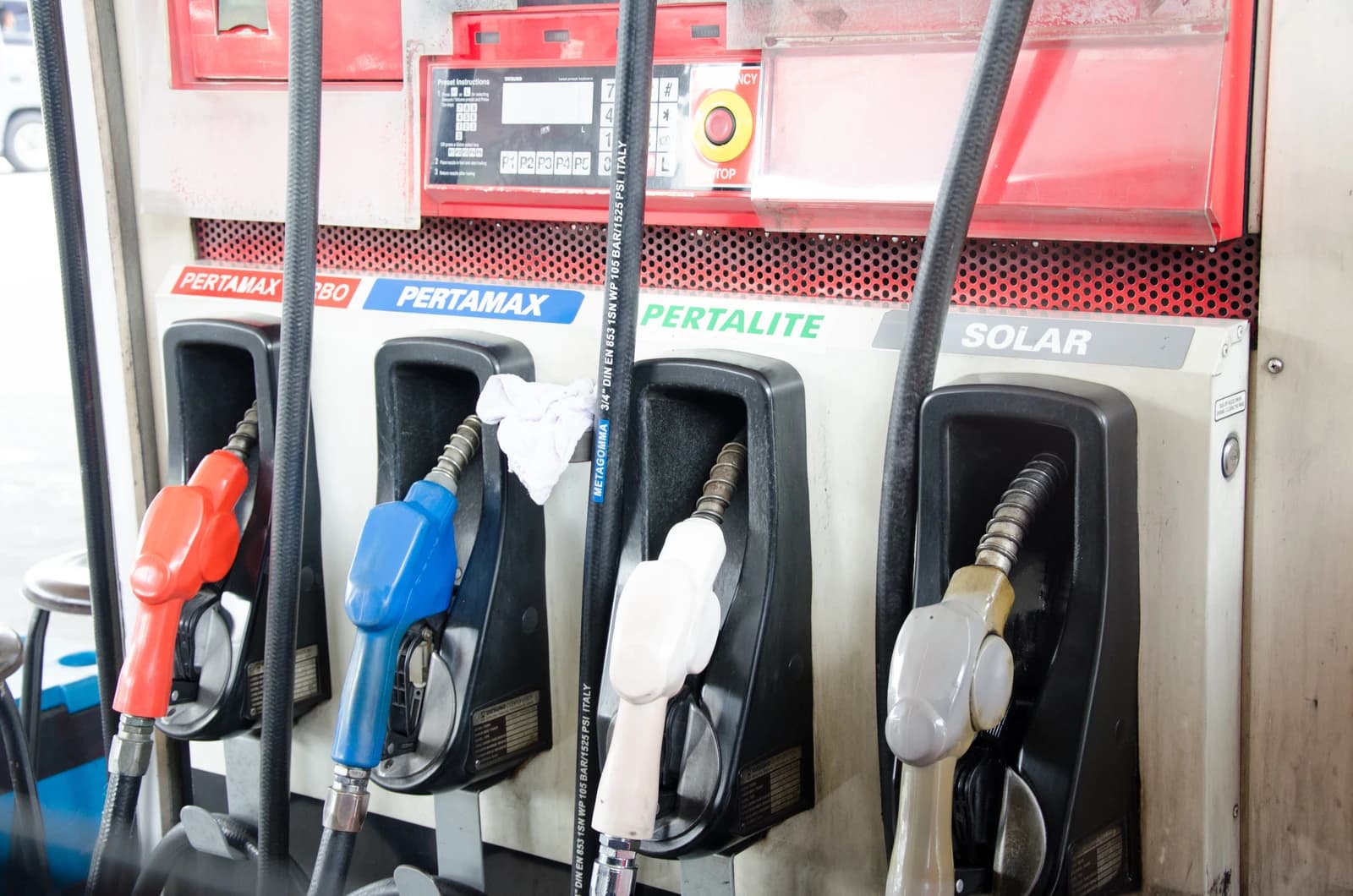
With AAA putting the national average for regular unleaded at about $4.48 a gallon, the average 14-gallon tank costs more than $60 to fill, up from roughly $3.16 a gallon a year ago. Diesel is worse: AAA said the national average hit a record $6.53 a gallon on Sept. 22, underscoring how sticky fuel inflation remains even as broader consumer prices cool. In that environment, ExxonMobil is doing what oil stocks are supposed to do — turning higher energy costs into shareholder cash.
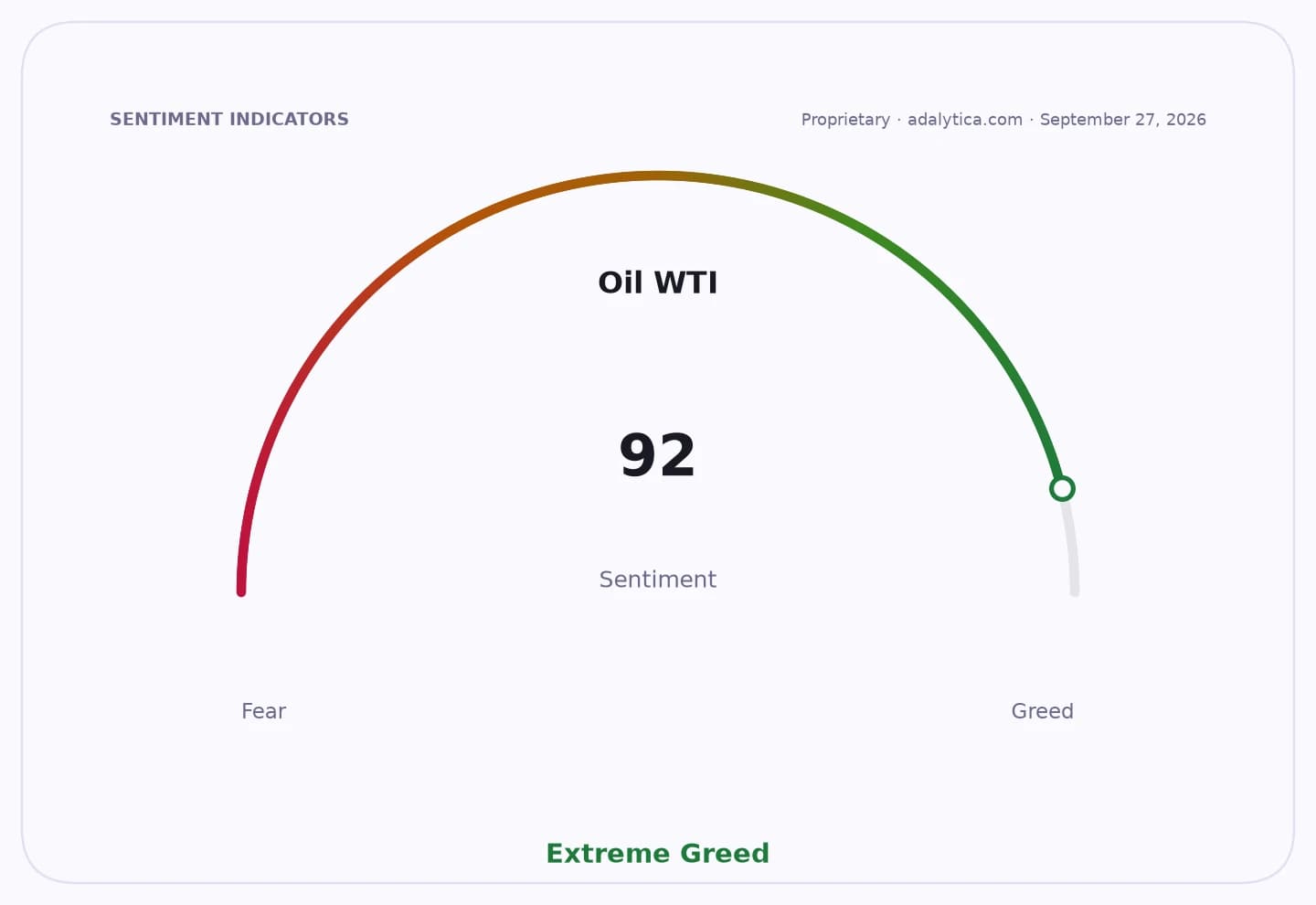
Sentiment IndicatorsⓘProprietary · adalytica.com · October 2, 2026
This is a snapshot — live sentiment, awareness and momentum for 130+ markets update continuously in the dashboard.Open AlphaPulse
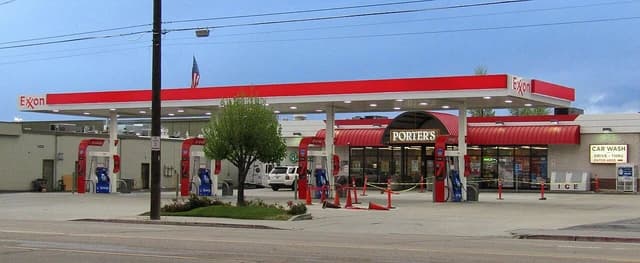
At ExxonMobil’s current dividend yield of 2.54%, an investor would need about $2,400 in XOM stock to generate enough annual payouts to cover one fill-up. That is not a small number, and it is why the dividend alone is more of a partial offset than a complete shield against fuel inflation. But the bigger story is that ExxonMobil does not need to be judged purely on income. Over the past five years, the stock has gained 181% excluding dividends, far outpacing the 26% move in crude over the same period. That spread is the real investable thesis: when fuel inflation rises, integrated oil majors can deliver both cash yield and capital appreciation.
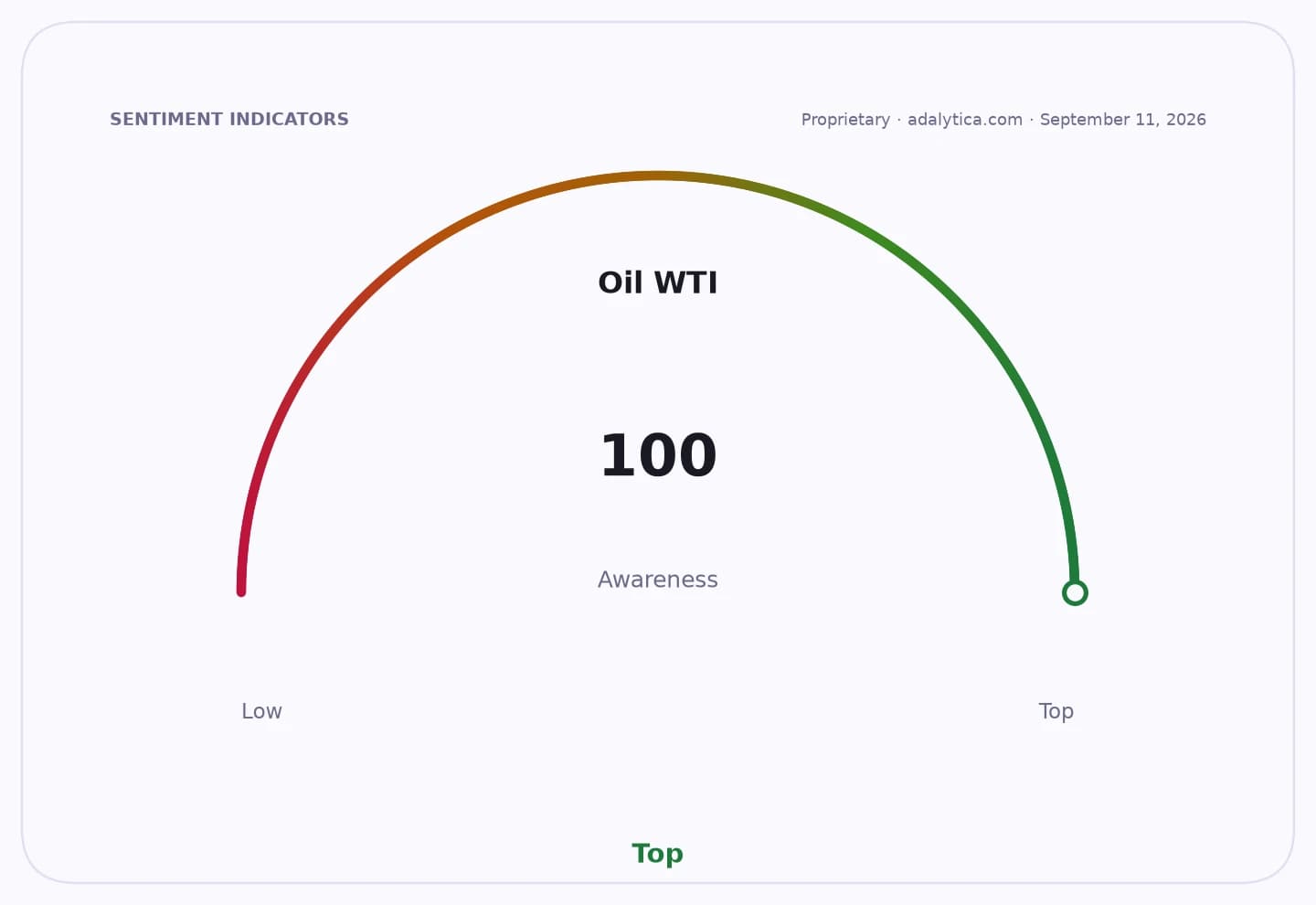
For investors, that matters because this is not just about gasoline. High fuel prices ripple through freight, agriculture, manufacturing and travel, while also boosting inflation expectations and keeping pressure on consumer wallets. The bond market is already signaling strain, with the 10-year Treasury yield around 5.29%, while oil prices remain volatile and WTI has swung sharply over the past week. In other words, the market is still pricing energy as cyclical noise, but the consumer is experiencing it as a persistent tax.
ExxonMobil looks especially well positioned because it offers a liquid, blue-chip way to express a secular view that energy will stay important even in a world dominated by AI, electrification and data-center buildouts. Those themes all need power, capital and hydrocarbons in the transition period. That keeps the market underestimating the durability of integrated producers with strong balance sheets, disciplined capital returns and the ability to monetize volatility rather than merely endure it.
The trade is simple: if you want to protect purchasing power from another leg up in fuel costs, ExxonMobil is one of the cleanest vehicles in the market. The dividend may not pay for your tank by itself, but the stock can still help you get there — and if oil tightens again, the upside could dwarf the gas bill. Investors looking for an asymmetric hedge should consider XOM as a core energy holding, not a headline-driven trade.
| Entity | Gains | Losses |
|---|---|---|
| ExxonMobil shareholders | ▲Dividend income and price upside | ▼Commodity volatility risk |
| Drivers/consumers | ▲Partial hedge via XOM ownership | ▼Higher fuel bills |
| Energy producers | ▲Stronger cash flow and pricing power | ▼Demand destruction risk |
| Transport and logistics firms | ▲None | ▼Margin pressure from fuel costs |