Rosângela “Janja” Lula da Silva’s appointment as a special ambassador for the U.N. food agency matters because hunger is no longer just a humanitarian issue — it is a pressure point for governments, farmers, food companies and markets in a world where crop prices, climate shocks and geopolitics still swing hard.
FAO appoints Janja Lula as special ambassador
The Food and Agriculture Organization said Janja will help raise the profile of its work against hunger, support policies to transform food systems and highlight the link between food security, climate resilience and women’s empowerment. That may sound ceremonial, but the timing is real enough. Food inflation remains a live political problem, with U.S. consumer prices still far above pre-pandemic levels and grain markets sensitive to every weather scare, trade shock and policy change.
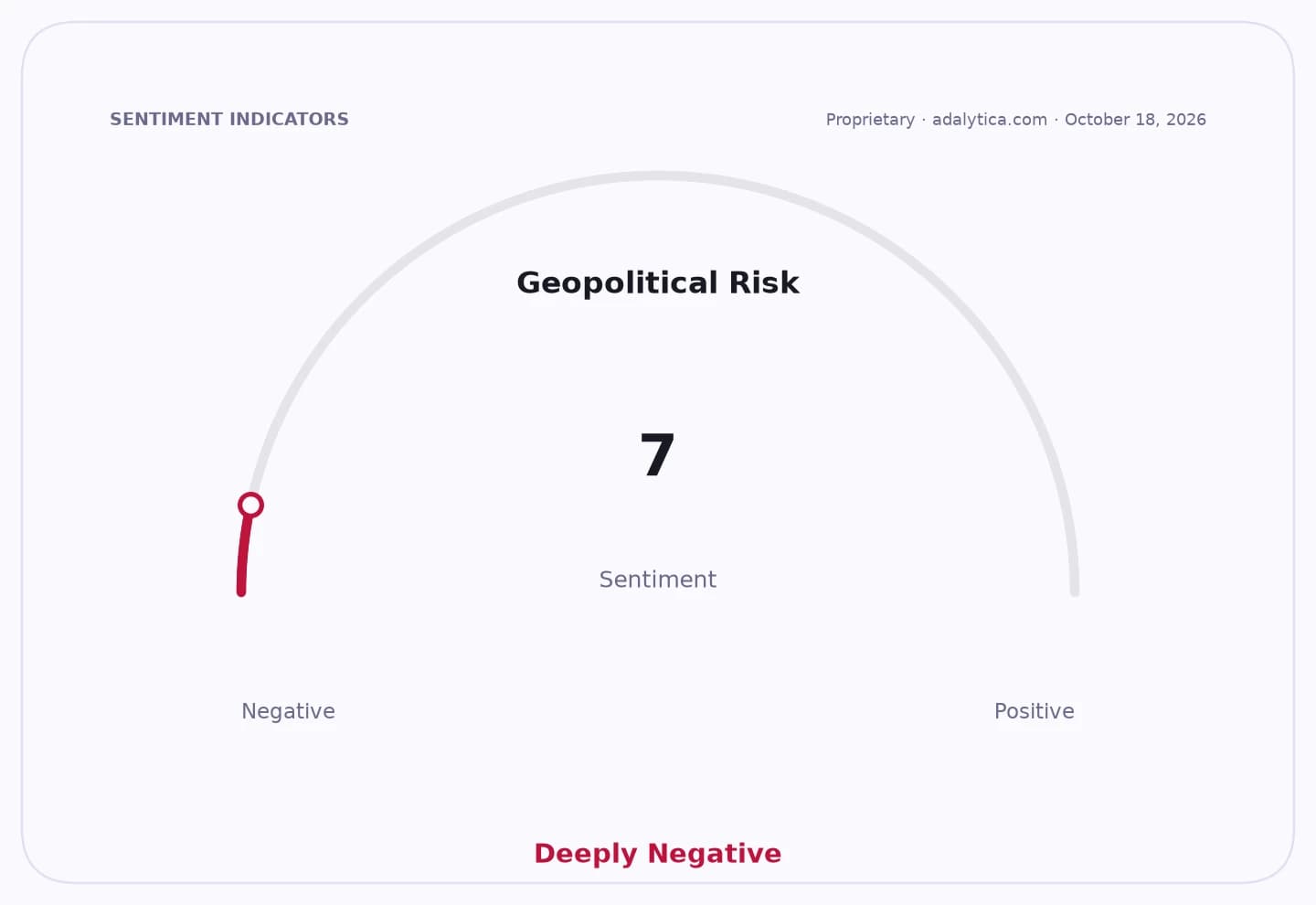
Sentiment Indicators
For Brazil, the appointment also fits a broader push by President Luiz Inácio Lula da Silva’s government to present the country as a leader in global food security, social policy and climate diplomacy. Brazil is one of the world’s agricultural powerhouses, with soybeans, corn and wheat all central to both export earnings and domestic affordability. When global food prices rise, Brazil can benefit as a supplier — but its poorer households, and many emerging markets, feel the strain.
That tension is why investors should pay attention even to a role that is not a market-moving policy post. Food security campaigns can influence how governments talk about biofuels, crop exports, farm subsidies and social spending. In a world of tight labor markets, still-elevated interest rates and recurring geopolitical risk, those debates can ripple into commodity prices and the valuation of agribusiness, fertilizer and packaged food stocks.
The market backdrop underlines the point. Corn and wheat ETFs have both seen sharp swings, and technical readings on those funds suggest recent pressure rather than calm: the 50-day moving averages have rolled over, while RSI readings have fallen into deeply oversold territory. That does not change the long-term story for agricultural demand, but it does show how quickly sentiment can reverse when supply expectations improve or macro fear takes over.
For long-term investors, the bigger takeaway is that food security remains a structural theme, not a headline fad. Population growth, climate volatility and the push for more resilient supply chains should keep capital flowing into agriculture, logistics, irrigation, seed technology and fertilizers over the next decade. Janja’s appointment will not move markets on its own, but it reinforces a policy narrative investors cannot ignore: the fight against hunger is becoming inseparable from the fight to build durable, investable food systems. Worth watching, and worth keeping on the long-term radar.
| Entity | Gains | Losses |
|---|---|---|
| FAO | ▲Higher visibility | ▼Ceremonial critics |
| Brazil / Lula administration | ▲Global leadership profile | ▼Policy scrutiny |
| Farmers and ag exporters | ▲More attention to food systems | ▼Volatility from policy shifts |
| Food-importing countries | ▲Stronger advocacy for access | ▼Budget pressure from food inflation |