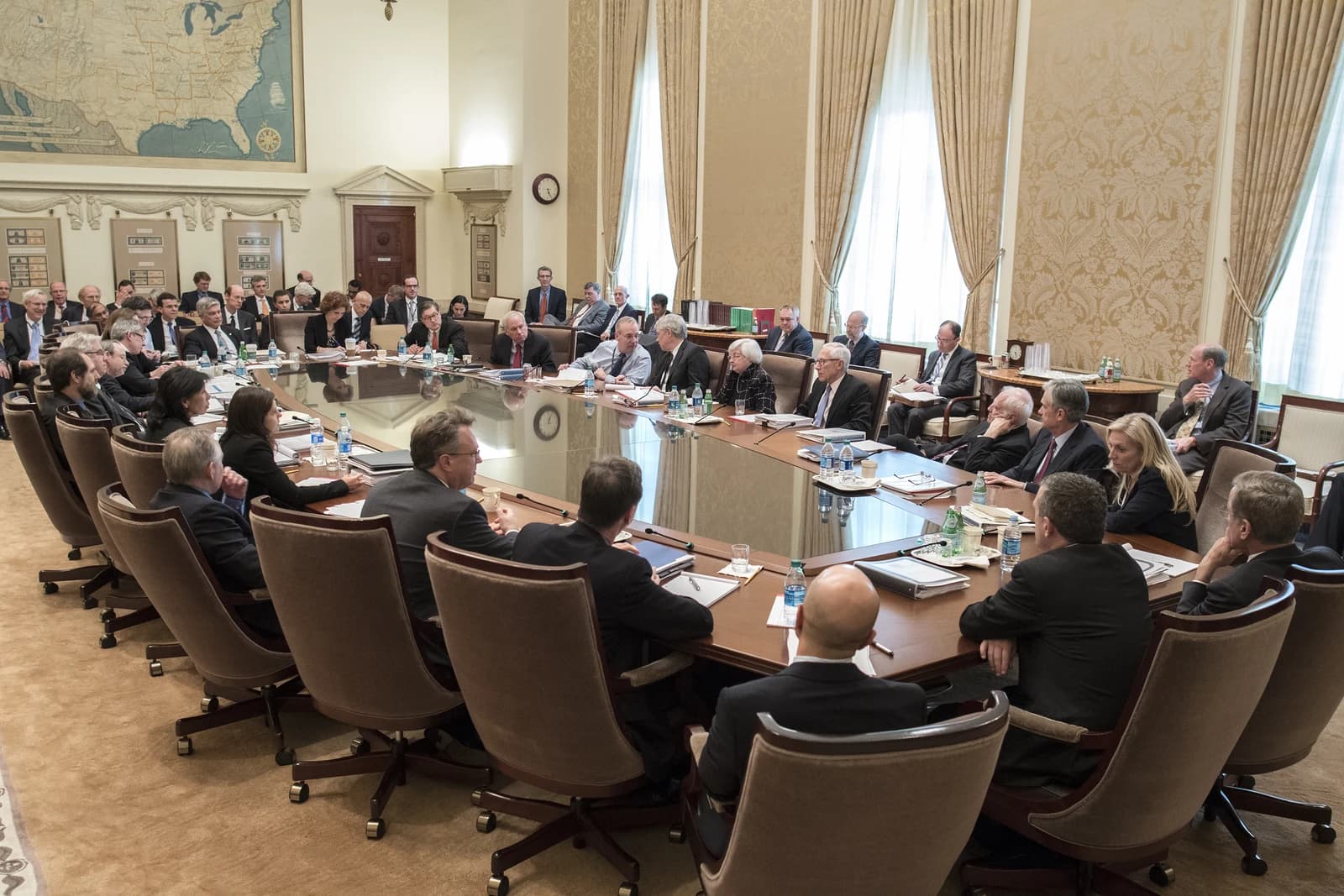
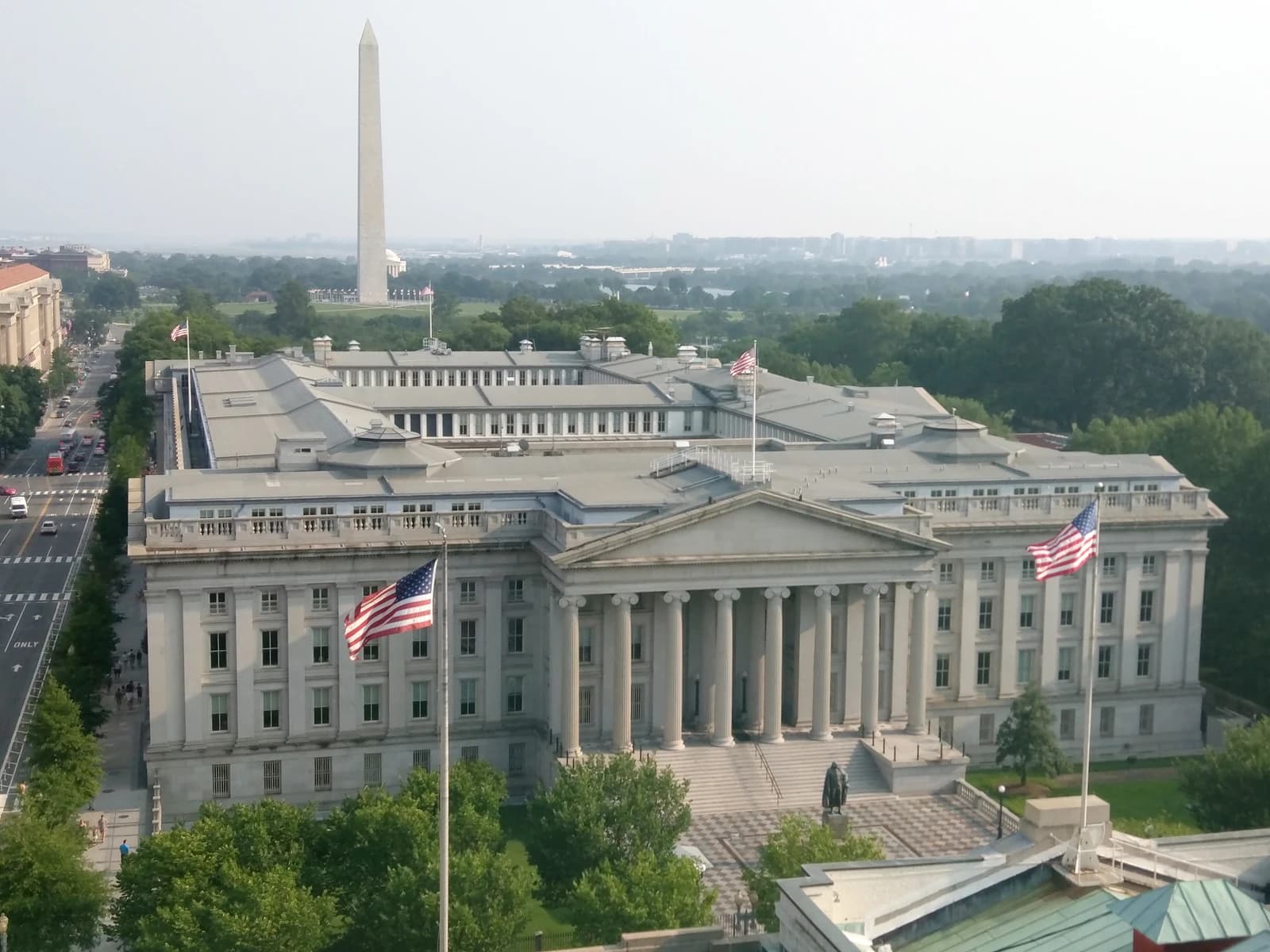
Federal Reserve Bank of Chicago President Austan Goolsbee said surging artificial intelligence investment is starting to push prices beyond the data-center complex and into the broader economy, a shift that could force the Fed to keep rates higher for longer.
Fed Goolsbee Flags AI Cost Spillover Into Economy
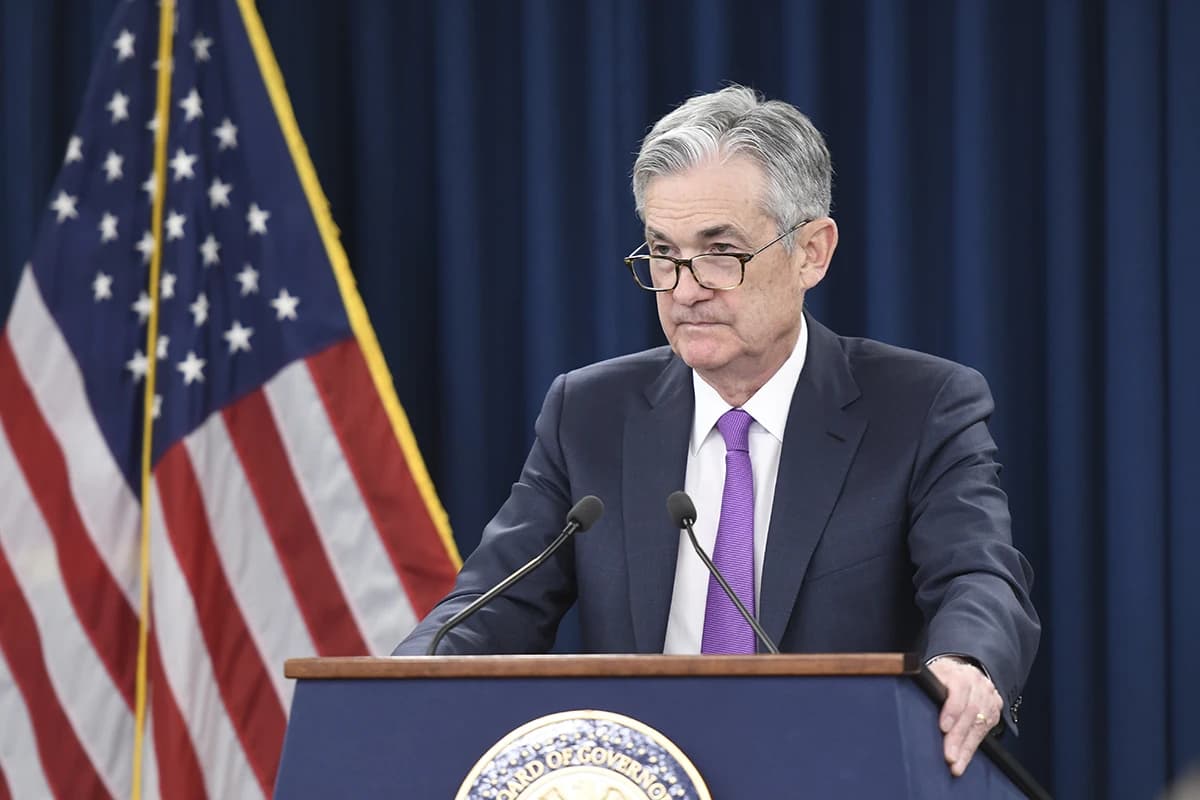
That matters because the central bank has been trying to distinguish between inflation that fades on its own and inflation driven by demand running hotter than the economy’s supply capacity. Goolsbee told Semafor that AI data-center cost increases are “jumping out of its lane,” with price pressure appearing in areas that are not just directly tied to chips, servers and construction. If that spillover broadens into services, the risk is not a temporary supply shock but a more durable overheating problem that would justify a quicker policy response.
Sentiment IndicatorsⓘProprietary · adalytica.com · October 13, 2026
This is a snapshot — live sentiment, awareness and momentum for 130+ markets update continuously in the dashboard.Open AlphaPulse
The warning lands at a sensitive moment for markets. The Fed cut rates three times in 2025 before reversing course last month with its first hike in three years, lifting the policy rate to 3.75%-4.00% as inflation stayed stubborn. Rate futures still lean toward no change at the Oct. 27-28 meeting, but traders expect another quarter-point increase in December, showing investors already price in a tightening bias. Goolsbee, who does not vote on policy this year, said if inflation stays persistent “it’s clear what the Fed has to do,” while adding that the central bank needs evidence that tariff- and oil-related price pressures are easing before resuming cuts.
The broader macro implication is that AI may be acting less like a pure productivity story and more like a demand shock in the near term. Heavy spending on data centers, power, land and equipment can support GDP and earnings for suppliers, but it can also strain capacity in construction, utilities and industrial supply chains, lifting costs well beyond the tech sector. That helps explain why CPI and core CPI remain elevated even as some growth indicators imply the economy has not rolled over.
For investors, the message is twofold. On one hand, the AI buildout continues to support beneficiaries such as Microsoft, Nvidia and the semiconductor complex, with MSFT shares recently pressing to record highs and the SMH semiconductor ETF still far above its spring lows. On the other, the same investment cycle can pressure valuations if higher capex and higher borrowing costs keep the Fed cautious, especially for long-duration growth stocks that depend on lower discount rates. Microsoft’s own filings warn that demand for cloud and AI products is difficult to forecast and that misjudging capacity can leave expensive infrastructure underutilized.
The market’s challenge now is separating a durable AI capex boom from a cycle that starts to feed its own inflation. If the spillover stays confined to chips, power and building costs, the Fed may treat it as a manageable supply adjustment. If it spreads into general services and wages, the case for tighter policy strengthens — and with it the risk that the cost of financing the AI boom rises just as companies are still racing to build it.
| Entity | Gains | Losses |
|---|---|---|
| Nvidia and chip suppliers | ▲Stronger AI capex demand | ▼Rate-sensitive multiples if policy tightens |
| Microsoft and cloud builders | ▲Higher AI infrastructure spending | ▼Higher financing and capacity costs |
| Fed hawks | ▲Stronger case for restraint | ▼Faster pivot to cuts delayed |
| Borrowers and long-duration tech | ▲Lower inflation would help later | ▼Higher-for-longer rates and valuation pressure |