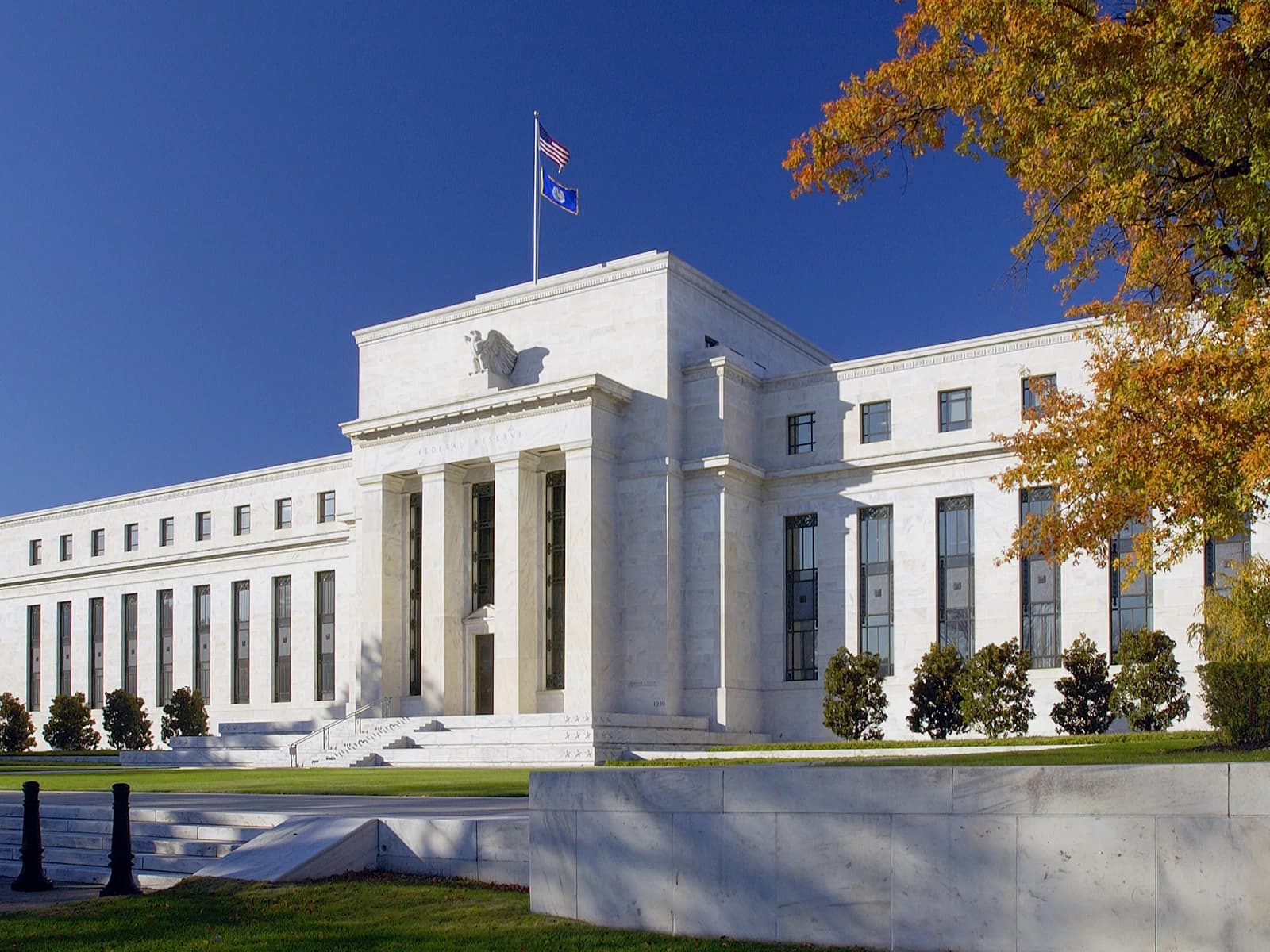
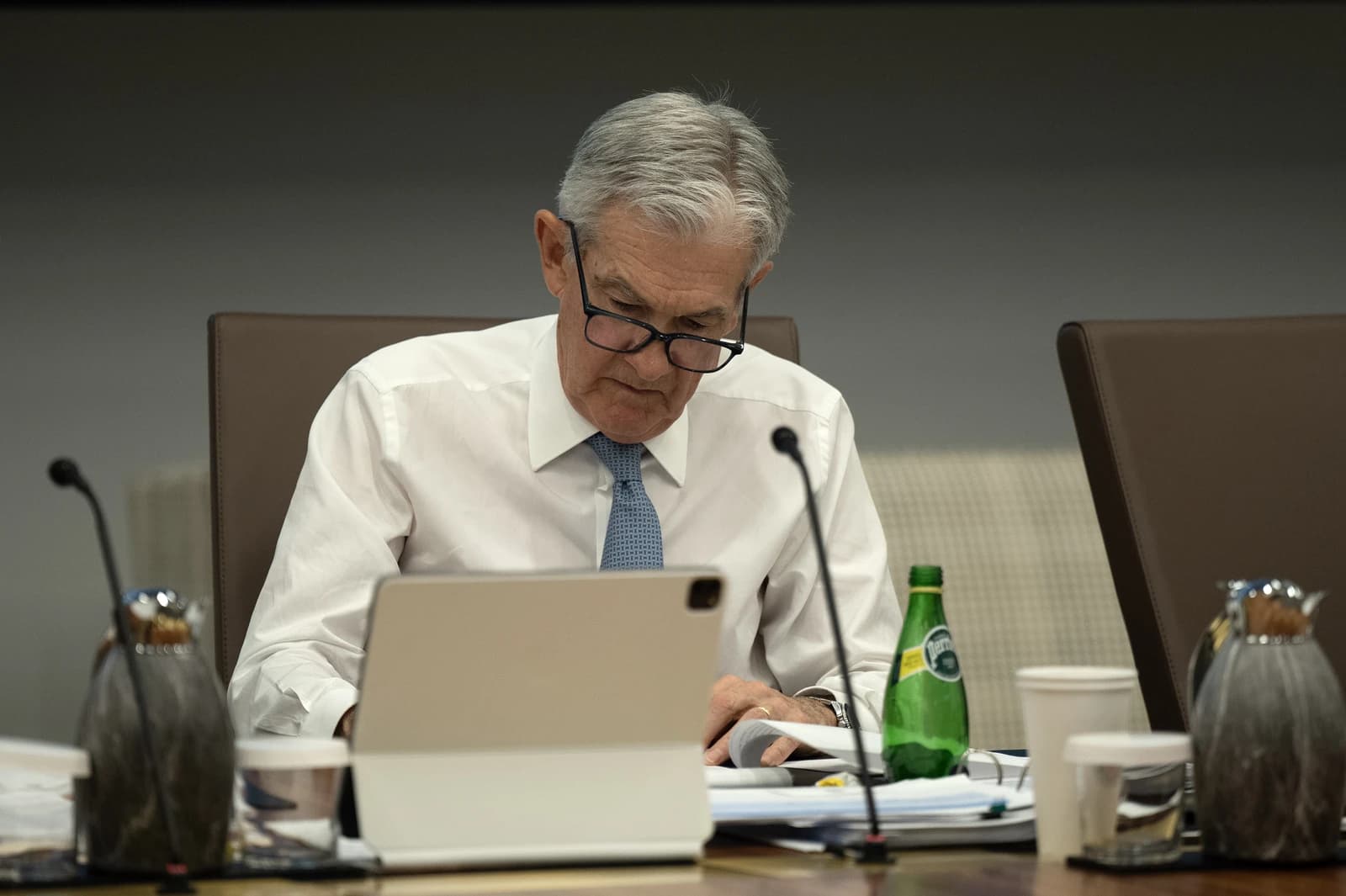
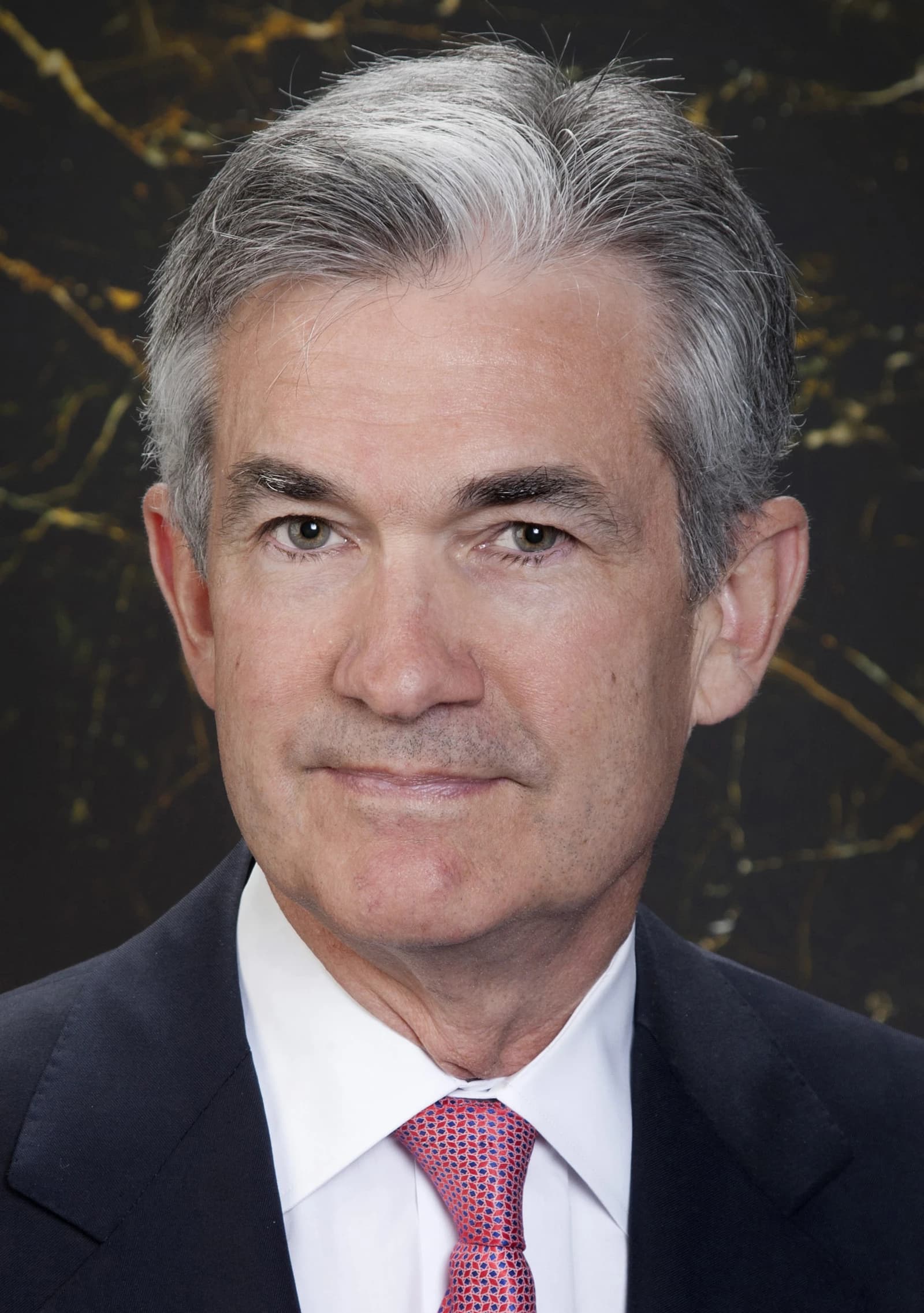
AI will change how central banks set monetary policy and could lift productivity across the US and global economy, Federal Reserve President Kevin Warsh said in Bangkok, framing the technology as a potential supply-side shock that could alter the inflation-growth tradeoff investors have grappled with for years.
Fed’s Warsh links AI to monetary policy
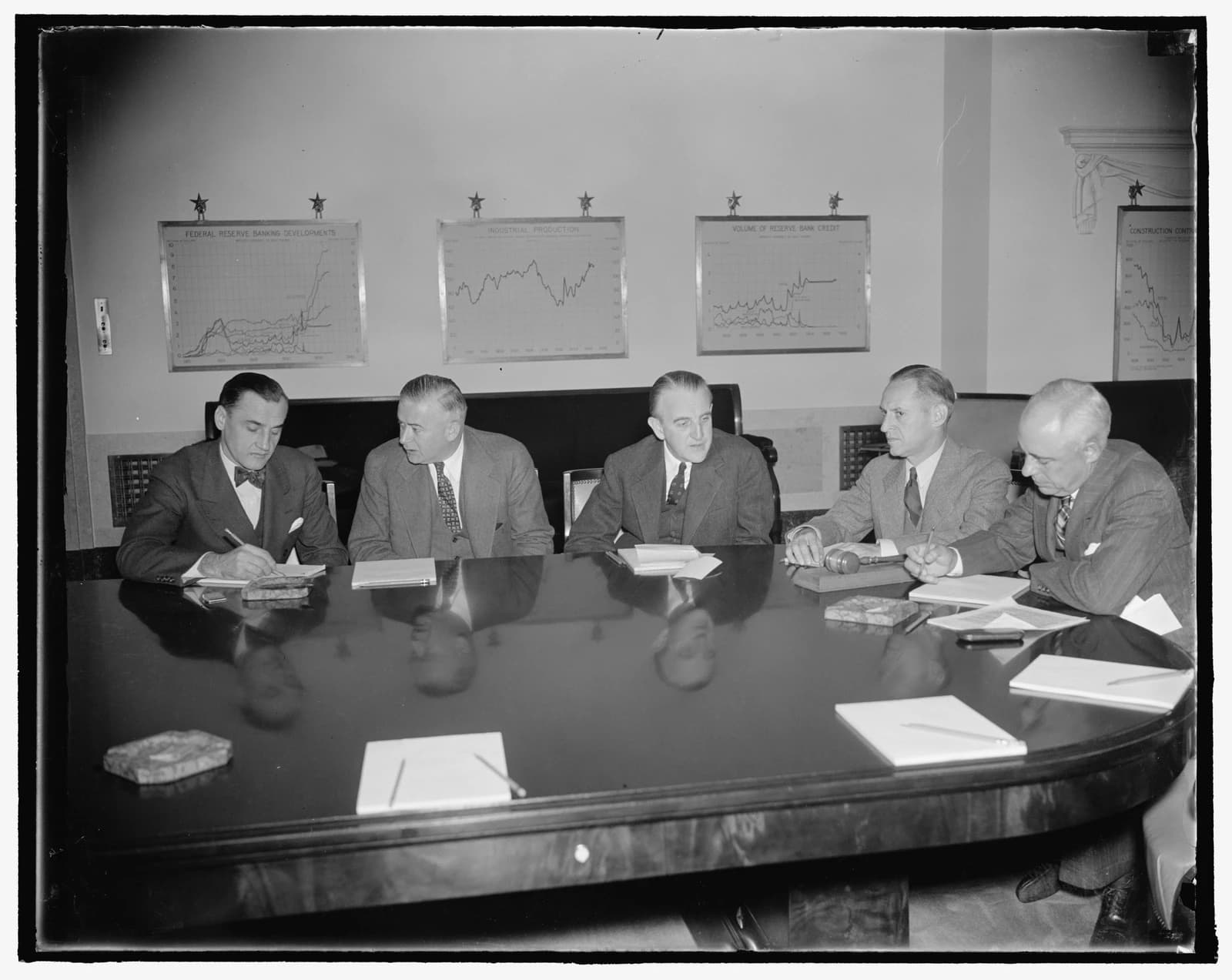
The comments matter because they go beyond the usual optimism around artificial intelligence and put the technology directly into the policy framework of the world’s most influential central bank. If AI boosts output, improves data analysis and eventually raises the economy’s productive capacity, it could help the Fed and its peers distinguish between temporary price pressures and more durable inflation trends. That would affect the timing and size of rate decisions, the path of real yields and the valuation of risk assets across markets.
Sentiment IndicatorsⓘProprietary · adalytica.com · October 18, 2026
This is a snapshot — live sentiment, awareness and momentum for 130+ markets update continuously in the dashboard.Open AlphaPulse
Warsh said AI is “probably the most consequential change” for the US and global economy in his lifetime, while arguing that the technology will first lift demand before its productivity benefits show through. That sequencing matters for central bankers: a burst of AI investment can keep growth and spending firm in the near term, even as longer-run efficiency gains soften inflation pressure. The International Monetary Fund has already raised its 2026 global growth forecast to 3.1%, citing heavy AI investment as a key driver.
For investors, the message is that AI is no longer just a theme for semiconductor, cloud and software stocks. It is becoming a macro variable. Warsh said the Fed is setting up a working group to study the effects of technology on productivity and employment, underscoring that policymakers are trying to build AI into their assessment of the economy rather than treat it as an outside force. In theory, better real-time data processing could improve policy calibration. In practice, it could also make the policy outlook less predictable by accelerating shifts in growth, labor demand and pricing power.
That uncertainty helps explain the market response around the speech. The 13-week Treasury bill yield, at 4.07%, has moved above its 50-day moving average of 3.88%, while the iShares 20+ Year Treasury Bond ETF, TLT, closed at 80.05, still below its 200-day average of 83.40. The S&P 500, meanwhile, has held near record territory, with SPY at 763.25 against a 200-day average of 721.88, suggesting equity investors remain willing to look through near-term policy uncertainty and focus on AI-led earnings potential.
The broader narrative is that AI is starting to affect both sides of the Fed’s mandate. Warsh acknowledged the near-term labor effects are still unclear, saying nobody yet knows the impact on employment over the next 12 to 18 months. That tension is central to the debate: bulls see a productivity boom that extends growth without reigniting inflation, while bears warn that the transition could be uneven, with some business models damaged before the gains become widespread.
For now, the key implication for markets is that AI may become part of the reaction function for central banks, not just corporate strategy. If the technology does deliver a durable supply shock, it could reshape how long rates stay restrictive, where neutral policy is judged to sit and which sectors capture the gains. If it disappoints, investors may be pricing in a productivity windfall that never fully arrives.
| Entity | Gains | Losses |
|---|---|---|
| Fed / central banks | ▲Better real-time analysis | ▼More uncertain policy paths |
| AI leaders / cloud providers | ▲Higher investment and demand | ▼Stricter scrutiny |
| Productivity-driven economies | ▲Higher output and wealth | ▼Lagging adopters |
| Long-duration bonds | ▲Lower if growth stays hot | ▼Higher yields from stronger demand |