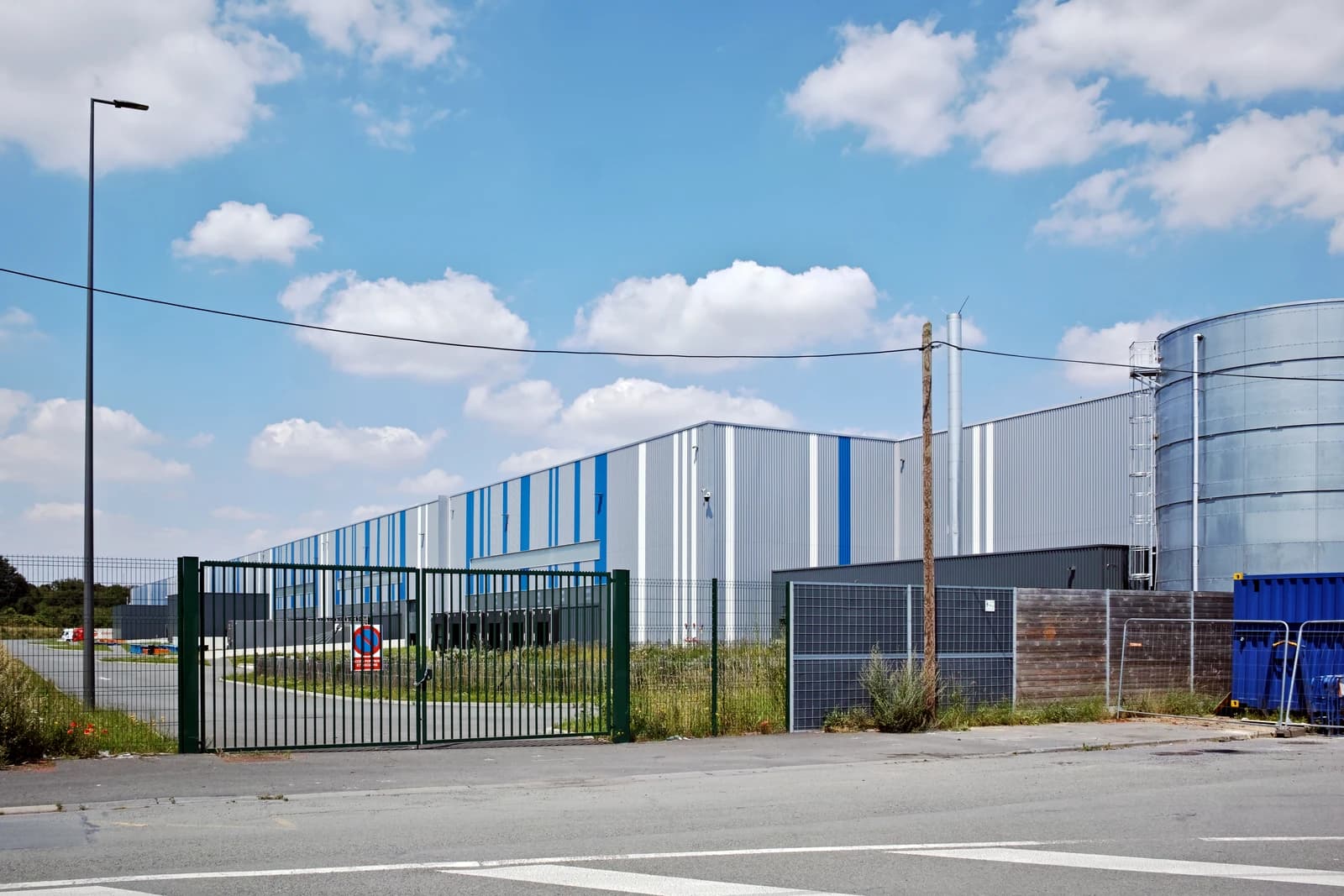
FedEx’s decision to shrink its North American network is now a financing problem for the commercial real estate market, with nearly $3 billion of CMBS loans tied to U.S. industrial properties where the carrier is the anchor tenant.
FedEx Cuts Network, Pressuring CMBS Industrial Loans
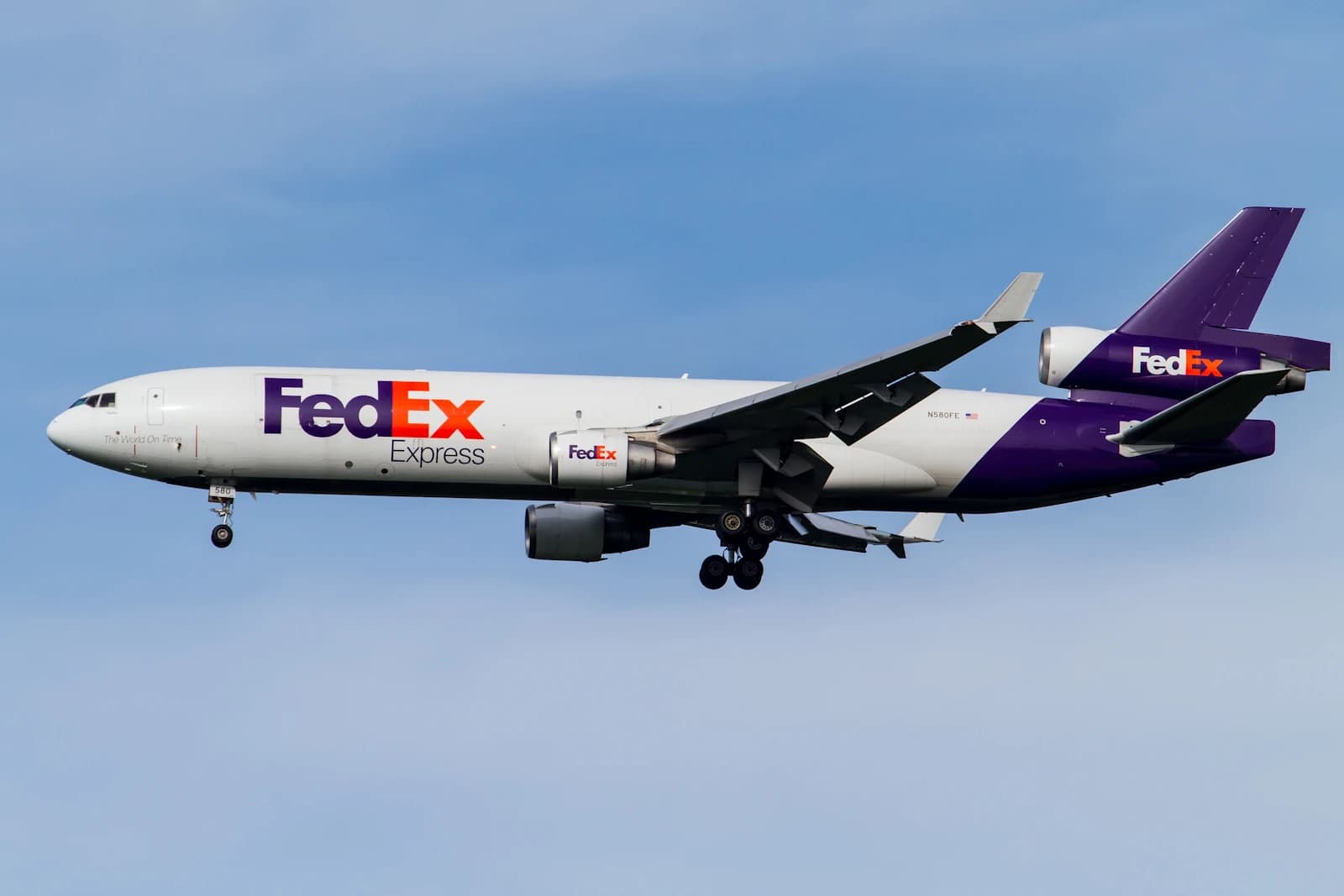
The exposure matters because warehouse loans are being underwritten against rental cash flow that can vanish if FedEx vacates, leaving landlords to refinance or repay debt in a market where exit options are still highly dependent on leasing velocity and capital-market conditions. Trepp’s analysis shows $837 million of that debt, or 29%, is backed by properties where FedEx’s leases expire before the loans mature, a classic maturity mismatch that can pressure borrowers at the exact moment they need renewal income to support refinancing.
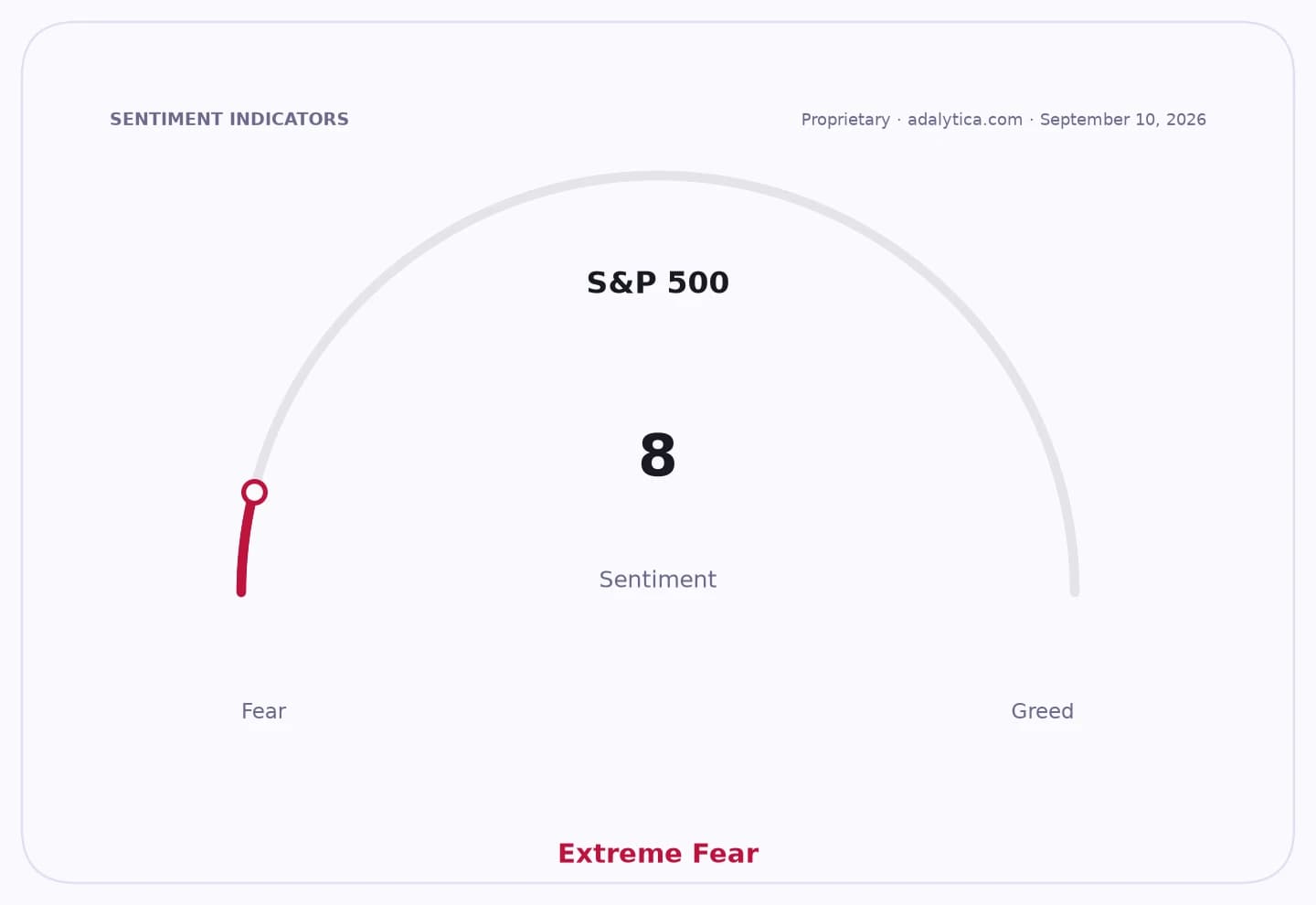
Sentiment IndicatorsⓘProprietary · adalytica.com · September 21, 2026
This is a snapshot — live sentiment, awareness and momentum for 130+ markets update continuously in the dashboard.Open AlphaPulse
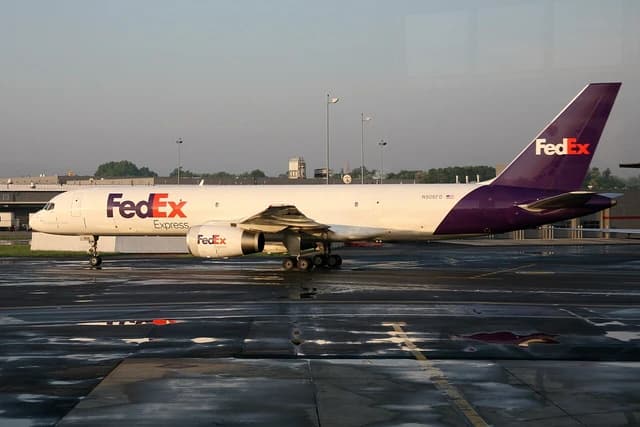
The problem is concentrated in a narrow slice of the market but large enough to ripple through lenders, bondholders and property owners. FedEx and Amazon together anchor properties tied to $6.6 billion of CMBS debt, almost 10% of the $68.9 billion in outstanding CMBS loans backed by warehouses leased to identifiable tenants, Trepp said. That is more exposure than the next 10 tenants combined, underscoring how heavily securitized industrial credit depends on a small number of national tenants.
FedEx is the more immediate risk because it is actively consolidating. The company is partway through a plan to cut its footprint by roughly 30% by the end of next year and has already closed about 200 hubs, with 475 stations set to be relinquished from the network. Unlike Amazon, which is still expanding its warehouse footprint, FedEx is moving in the opposite direction, turning what was once a stable anchor tenant into a source of vacancy risk.
For landlords, the math can be unforgiving. Trepp identified 84 FedEx-anchored properties where loans will come due soon after existing leases expire. In some cases owners have a window to re-tenant the space; in others, that runway is short. A $45.1 million loan on a 210,000-square-foot facility in Redmond, Washington, matures in 2030, while FedEx’s lease there ends in July 2028. In Groveport, Ohio, a 300,000-square-foot build-to-suit lease ends just six months before a $21.1 million mortgage matures.
The broader industrial market is not as fragile as it was two years ago, which should cushion the damage. Leasing activity in the first half of this year was running 20% ahead of the same period in 2025, according to Cushman & Wakefield, giving landlords a better chance of backfilling space than during the post-pandemic slowdown. But that improvement does not eliminate the refinancing challenge for assets that depend on a single large tenant and are sitting under securitized debt.
Investors in CMBS should watch for two things: whether FedEx accelerates closures beyond current plans, and whether warehouse leasing remains strong enough to offset a wave of anchor-tenant exits. The bear case is that vacancy hits at the wrong point in the loan cycle, forcing extensions, discounted payoffs or losses in a sector that has already been repriced by higher rates. The bull case is that active tenant demand and a still-functional industrial market allow many owners to re-lease space before maturity. For now, FedEx’s consolidation is less a logistics story than a test of how much strain securitized industrial credit can absorb.
| Entity | Gains | Losses |
|---|---|---|
| FedEx | ▲Lower real-estate costs | ▼Operational footprint shrinkage |
| CMBS bondholders | ▲Better outcomes if space re-leases | ▼Higher default and extension risk |
| Industrial landlords | ▲Stronger leasing market | ▼Anchor-tenant vacancy pressure |
| Amazon | ▲Relative stability as it expands | ▼None directly |