Finland’s labour debate is moving from abstract concern to policy pressure as Trade Union Pro uses its “Overload Day” campaign to spotlight a problem affecting roughly one in four working-age people and to back a citizens’ initiative that would give medically diagnosed burnout access to sickness benefits.
Finland burnout debate centers on sickness benefits
The campaign lands with economic relevance because burnout is no longer being framed as an individual weakness but as a workforce-wide productivity and social-insurance issue. Työterveyslaitos senior specialist Jarno Turunen said the 2026 overload day fell on Oct. 2, based on survey data showing 9% of working-age Finns likely suffer from burnout and 16% have elevated risk — about 25% in total.
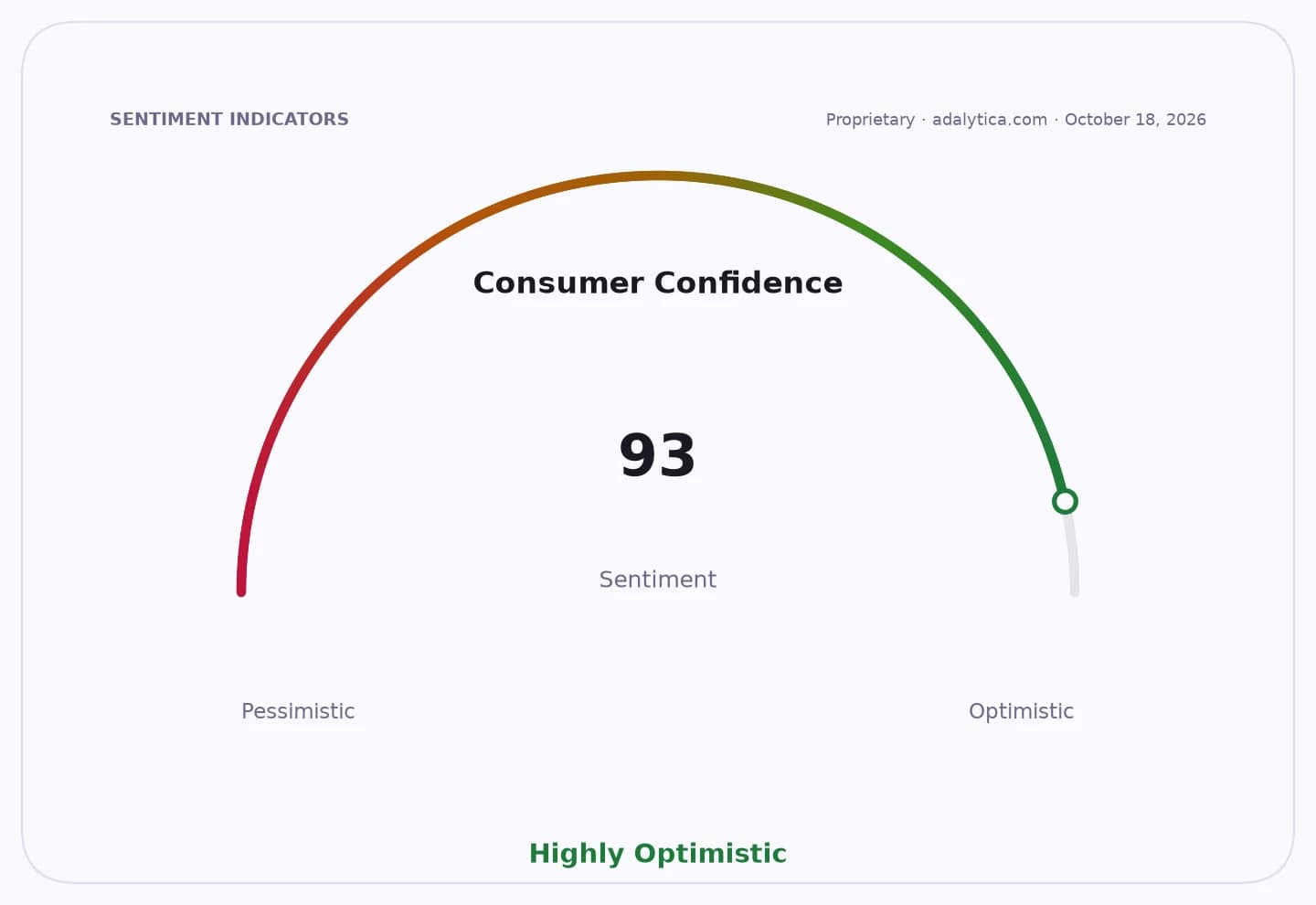
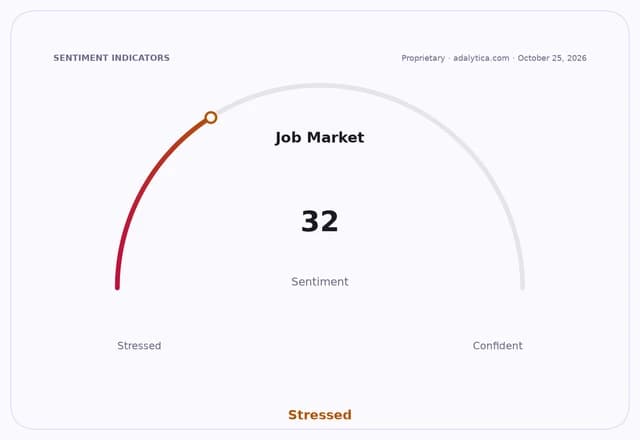
Sentiment IndicatorsⓘProprietary · adalytica.com · October 25, 2026
This is a snapshot — live sentiment, awareness and momentum for 130+ markets update continuously in the dashboard.Open AlphaPulse
That means the “wellbeing budget” for the Finnish labour market is effectively used up by early October, with the rest of the year described as being borrowed against workers’ health. Turunen said the date is already moving earlier, and with the latest “Miten Suomi voi” survey released on Oct. 5, the marker is expected to shift into September next year if conditions keep worsening.
For employers, the message is that burnout is increasingly a structural cost, not a personal edge case. Turunen said prevention does not require “miracle measures” but simpler work, less unnecessary bureaucracy, clearer goals and responsibilities, visible output and better opportunities to learn and develop.
The policy stakes are concrete. Pro wants a legal change that would allow workers with a confirmed burnout diagnosis to receive sickness allowance, a move that the union says would protect income during recovery and make the condition easier to track in official statistics. Because burnout is not currently a standalone diagnosis eligible for sickness pay, it is often recorded as depression instead, limiting visibility in the system.
The broader labour-market narrative is one of rising exhaustion across sectors and tighter scrutiny of work conditions just as Finland’s labour force faces productivity pressure and slower wellbeing gains. If lawmakers take up the initiative, investors in staffing, occupational health and insurance-linked services could see a more active policy environment around workplace stress, absenteeism and return-to-work support.
The next catalyst is whether the citizens’ initiative gathers political traction and whether the annual overload-day reading keeps shifting earlier, a sign that Finland’s burnout problem is becoming more entrenched rather than less.
| Entity | Gains | Losses |
|---|---|---|
| Trade Union Pro | ▲Higher policy visibility | ▼Employer resistance |
| Workers with burnout | ▲Better income support | ▼Stigma and lost pay |
| Employers | ▲Clearer workload debate | ▼Higher absenteeism costs |
| State/social insurance system | ▲Better burnout data | ▼Higher benefit spending |