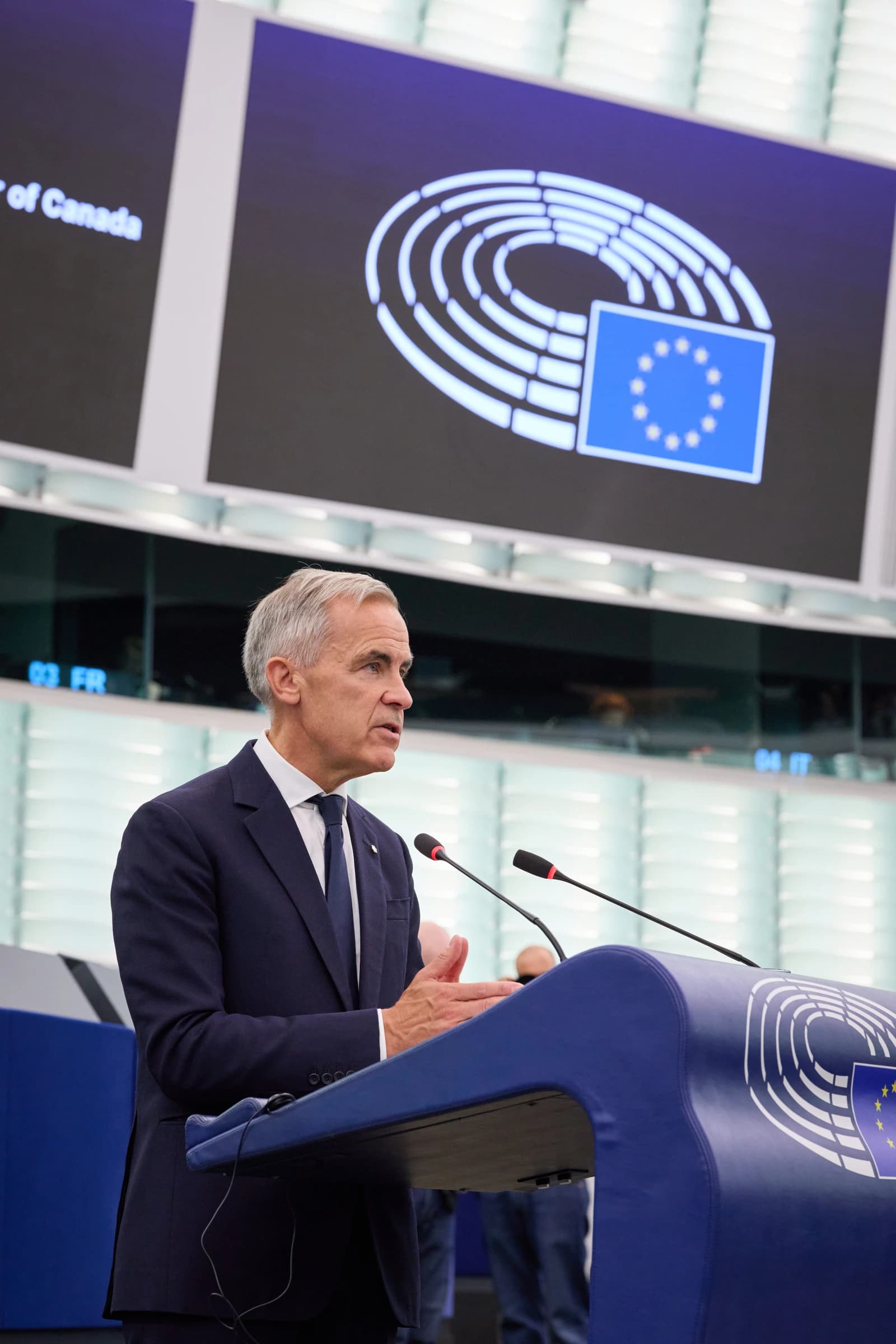
Alexander Stubb used his UN General Assembly address to argue that a more fragmented world is turning trade, technology and dependence into tools of geopolitical pressure, a shift that matters for investors because it raises the cost of cross-border business and keeps markets sensitive to sanctions, supply-chain risk and conflict.
Finland's Stubb warns on trade and geopolitics
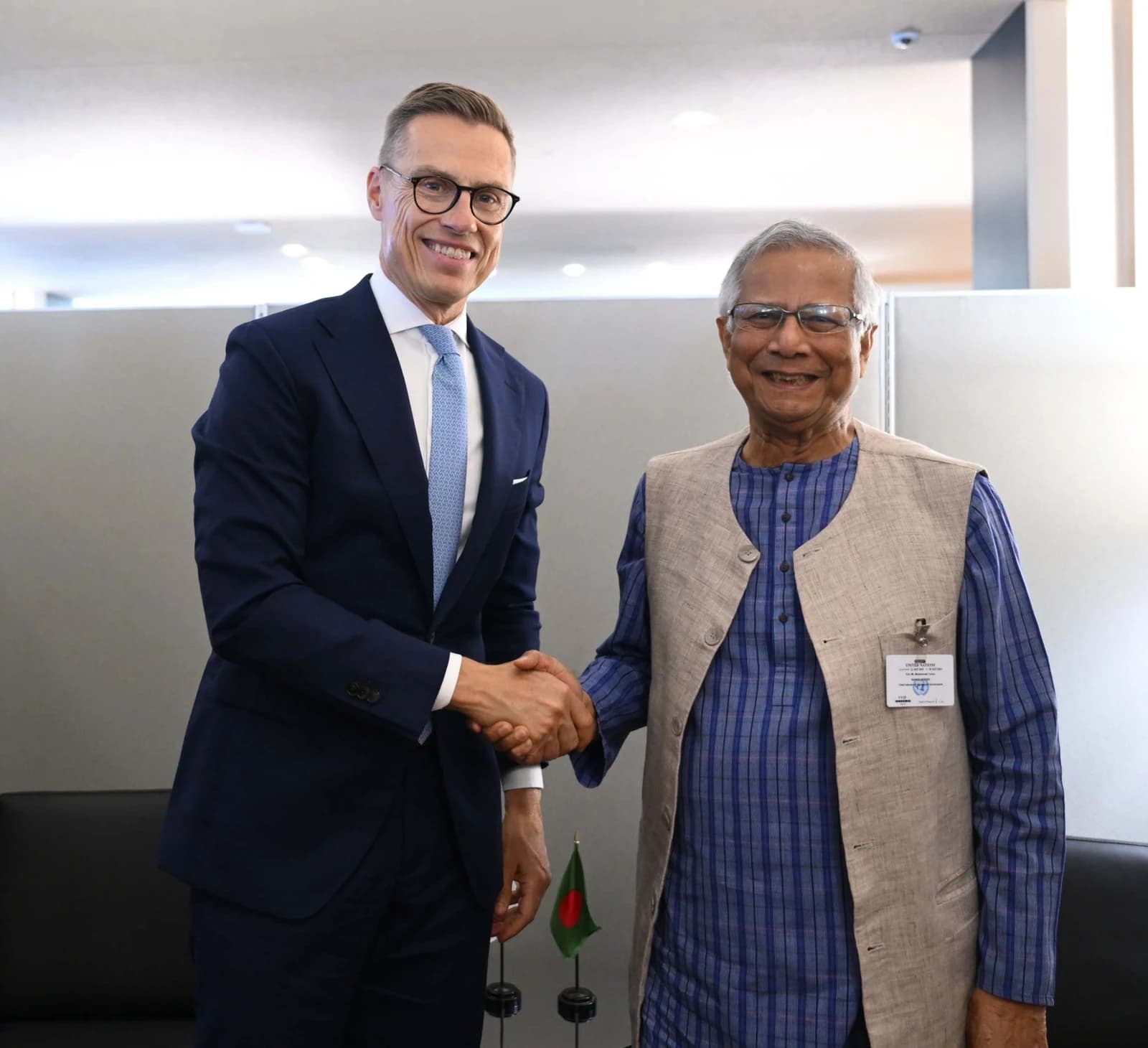
The Finnish president framed the choice facing governments as “cooperation or conflict,” warning that the world is moving toward a more multipolar order that no longer rests on common rules. His message landed against a backdrop of wars in Ukraine and the Middle East, escalating pressure on global institutions and growing concern that trade and technology links once seen as sources of efficiency are now vulnerabilities to be weaponized.
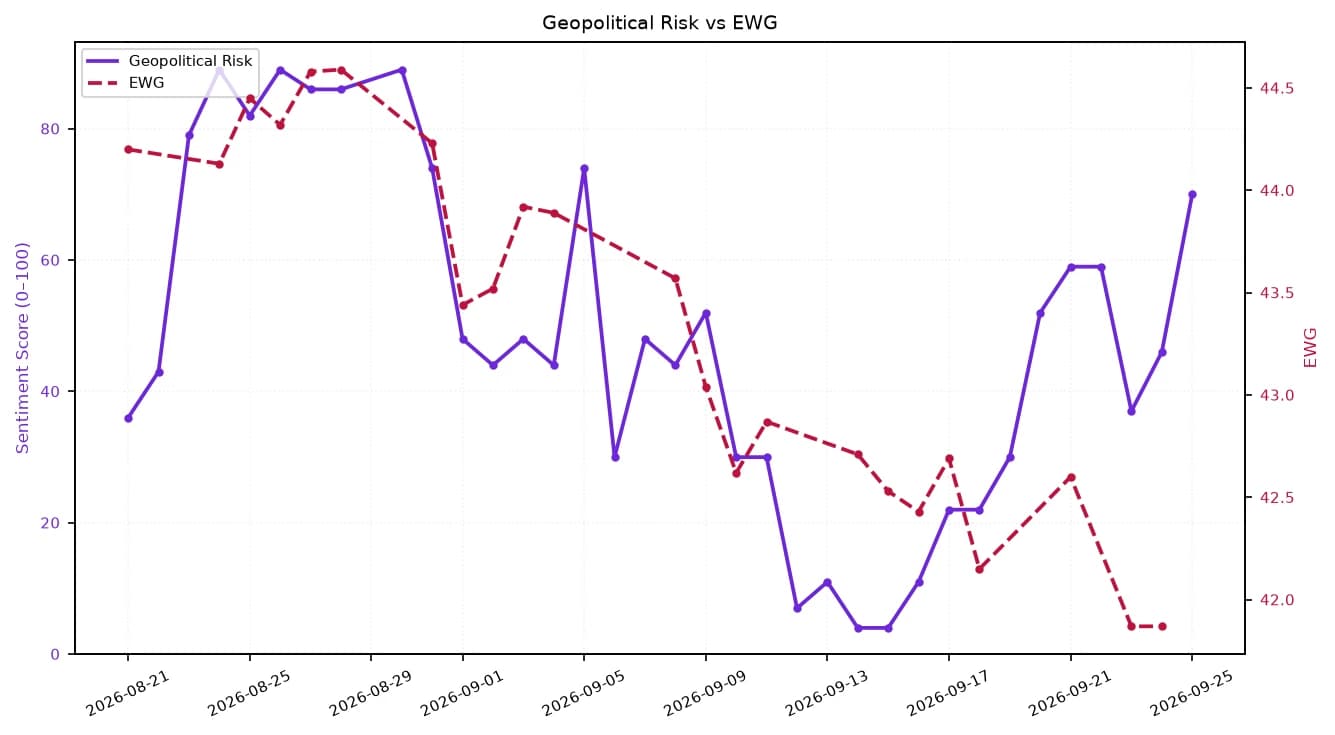
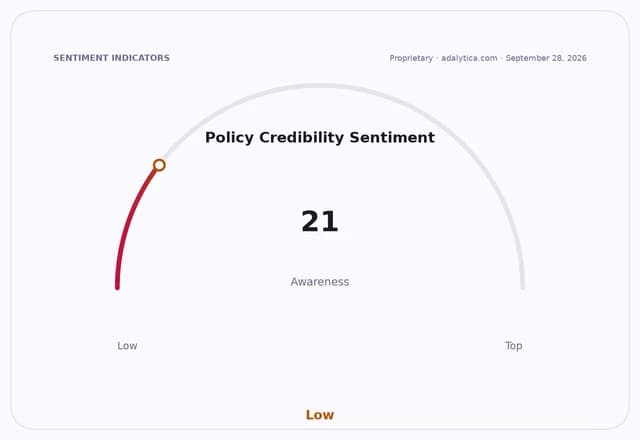
Sentiment IndicatorsⓘProprietary · adalytica.com · September 28, 2026
This is a snapshot — live sentiment, awareness and momentum for 130+ markets update continuously in the dashboard.Open AlphaPulse
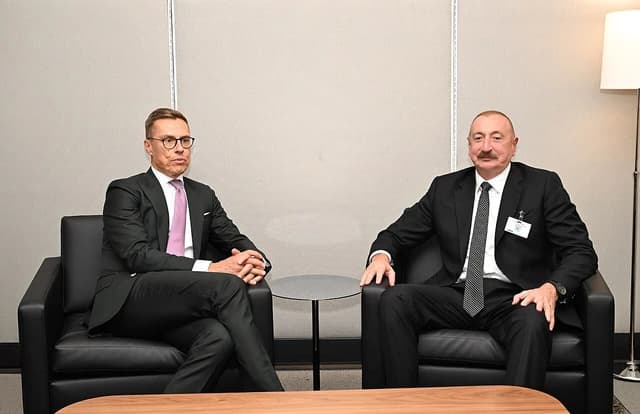
That argument has direct economic consequences. When states use interdependence as leverage, companies face more export controls, sanctions, tariffs and compliance costs, while capital allocators must price a higher probability of sudden disruptions to energy, shipping, semiconductors and other supply chains. The divide also reinforces a “risk-off” premium in assets tied to geopolitical stability, from European industrials exposed to trade friction to sovereign debt in smaller open economies.
Stubb also tied the institutional debate to practical reform, calling for a broader and less veto-constrained UN Security Council, including more seats for Asia, Africa and Latin America. For Finland, which is seeking a rotating seat on the council, the speech was not just diplomatic positioning but an attempt to align the country with a rules-based order at a moment when those rules are under strain.
His endorsement of a future female UN secretary-general drew applause in the hall and underscored the political tone of the address, but the larger market-relevant point was his warning that the world is entering an era in which “dependencies are used as pressure points.” That is a theme investors have already seen in earnings reports and filings from multinational companies, which increasingly cite tariffs, import controls and conflict-related restrictions as material business risks.
For markets, the implication is that geopolitical volatility is no longer a tail risk but a structural input into valuations. The bull case is that clearer rules and stronger multilateral coordination could reduce fragmentation costs over time. The bear case is that the drift Stubb described continues, keeping defense, commodities and safe-haven assets bid while compressing margins for globally integrated companies.
| Entity | Gains | Losses |
|---|---|---|
| Finland | ▲Diplomatic visibility | ▼Neutrality of posture |
| Multilateral institutions | ▲Reform momentum | ▼Status quo veto power |
| Globally integrated companies | ▲Predictability under rules | ▼Higher trade and compliance costs |
| Safe-haven assets | ▲Geopolitical demand | ▼Risk-on appetite |