FirstTrust Mortgage Bank has rolled out new home-financing products that could help loosen one of Nigeria’s biggest economic bottlenecks: access to affordable credit for housing.
FirstTrust Mortgage Bank Launches New Home Financing

For investors, the significance goes beyond a single lender’s product launch. Mortgage penetration remains shallow in many emerging markets, and the ability to offer longer tenors, construction funding and equity-release loans can support everything from homebuying to estate development. In a country where housing demand far outstrips supply, that kind of financing can stimulate construction activity, create jobs and gradually unlock value in residential property.
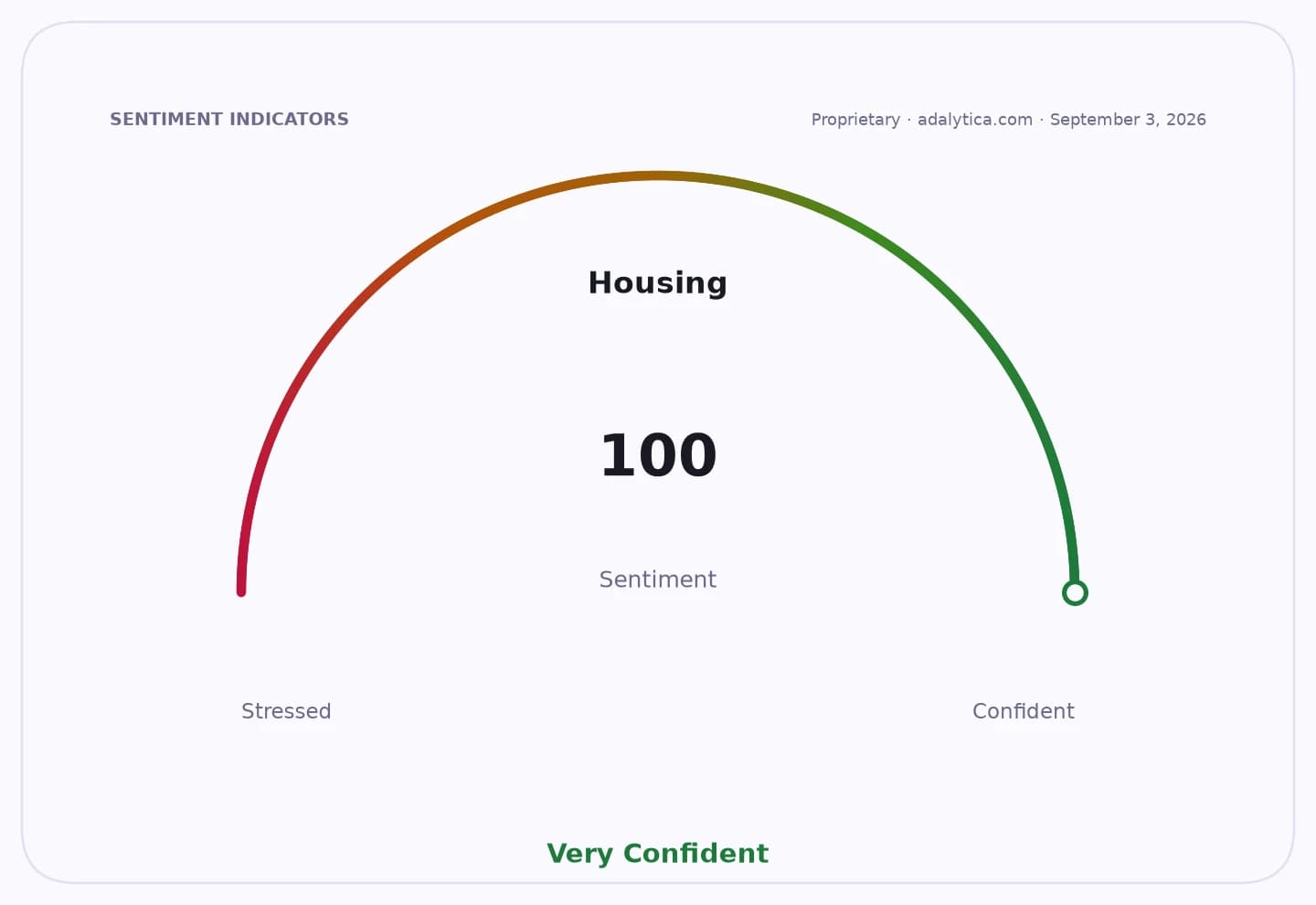
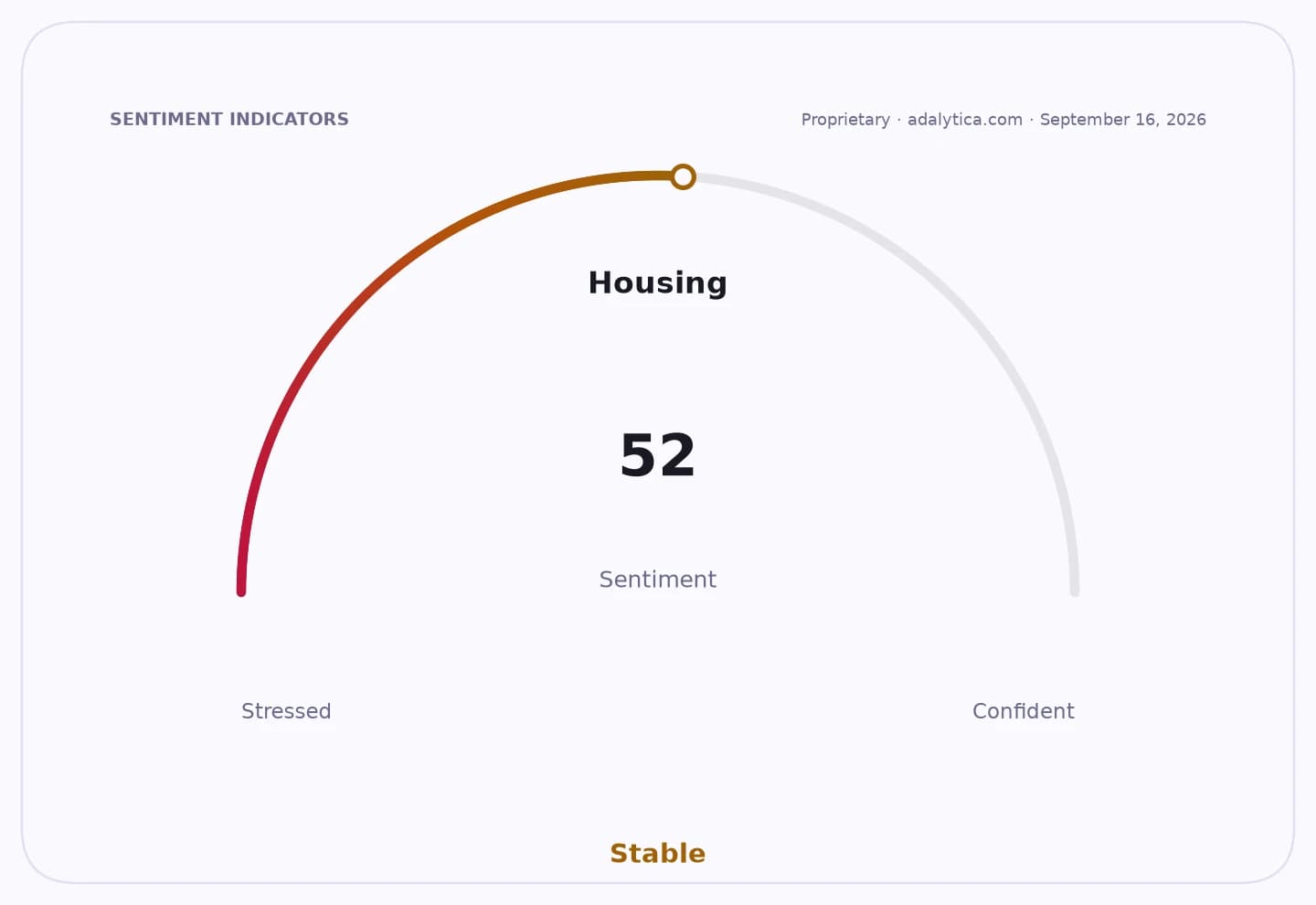
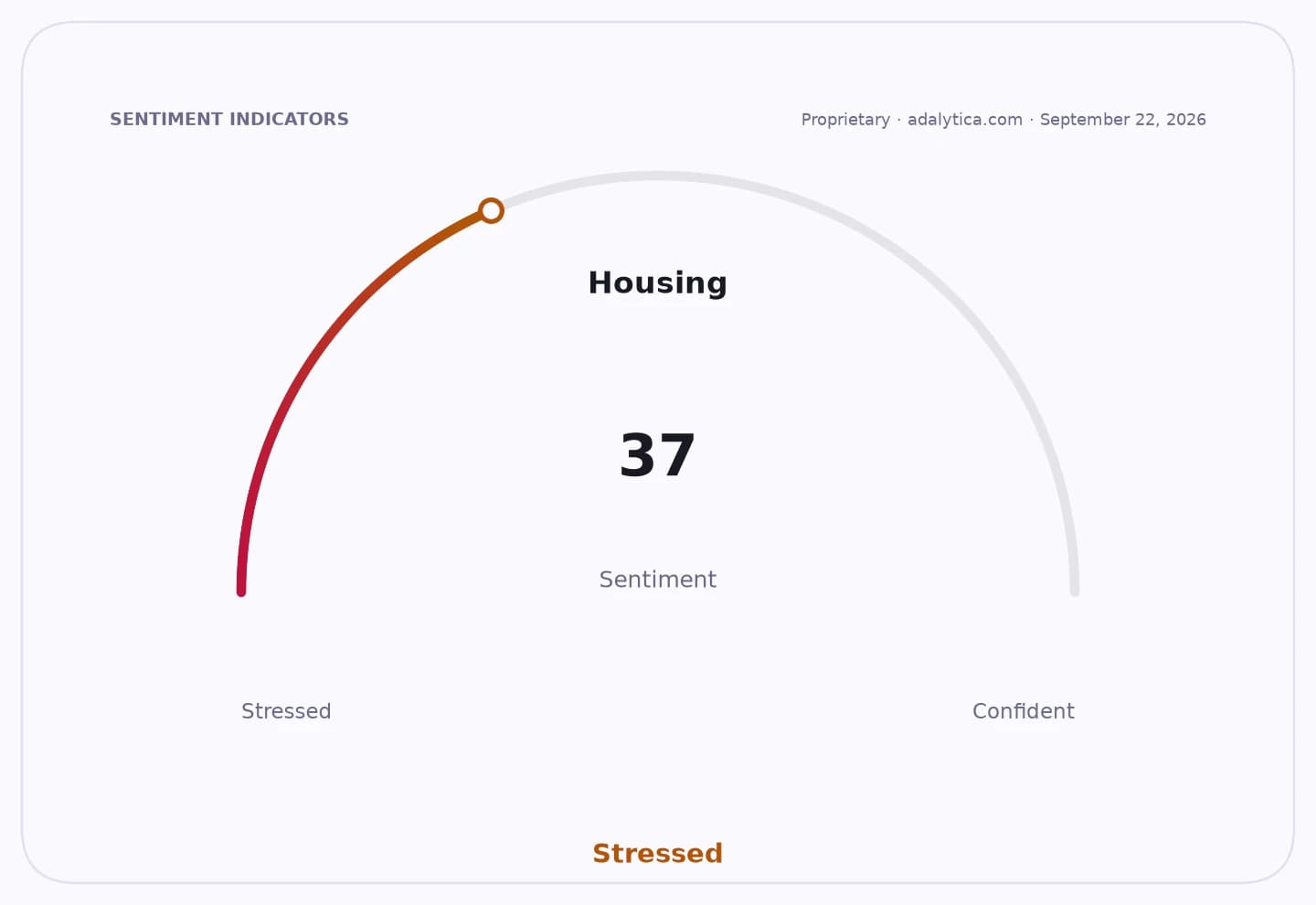
Sentiment IndicatorsⓘProprietary · adalytica.com · September 8, 2026
This is a snapshot — live sentiment, awareness and momentum for 130+ markets update continuously in the dashboard.Open AlphaPulse
The bank said its new lineup includes outright purchase mortgages, construction mortgages, construction finance for developers and an equity-release product for homeowners. The most eye-catching offering is the NMRC-backed outright purchase mortgage, which offers repayment terms of up to 20 years. That matters because longer tenors typically make monthly payments more manageable, expanding the pool of households that can qualify.
FirstTrust also said salary earners can borrow up to N250 million under its standard outright purchase mortgage, with a 10-year repayment term, while the NMRC framework carries an individual obligor limit of N50 million. Equity requirements range from 20% for salary earners to as much as 40% for self-employed applicants under the refinance-backed product, underscoring the bank’s attempt to balance access with credit discipline.
That balance is important. Mortgage lending only grows sustainably when banks can lend into a market without taking on reckless credit risk. By offering different products for salaried workers, self-employed professionals, couples and developers, FirstTrust is trying to widen the funnel while keeping underwriting intact.
The developer finance side may be just as important as the homebuyer loans. Construction finance, which extends up to three years and is tied to project milestones, could help push new housing supply into a market where inventory remains constrained. The bank said developers must provide 50% equity and collateral, plus risk protections such as life insurance covering at least half the principal. That suggests FirstTrust is aiming at projects with enough financial backing to get built, not just announced.
The equity-release product also stands out. Allowing property owners to borrow up to 70% of a home’s open market value, capped at N200 million, gives homeowners a way to tap dormant wealth without selling their assets. In practical terms, that can support renovations, business funding or other approved needs, while keeping real estate in the family.
For investors watching the broader housing market, the launch reinforces a familiar long-term theme: in underpenetrated mortgage markets, the winners are often the institutions that can package trust, duration and distribution into one lending platform. Banks that do this well can build sticky customer relationships and recurring interest income. Developers benefit from a more reliable funding channel. Homebuyers gain a path to ownership that does not depend entirely on cash savings.
There are still clear risks. High equity requirements mean many households will remain outside the market, and mortgage affordability still depends on income stability and interest-rate conditions. But this is how housing finance ecosystems usually deepen — one product, one borrower segment and one project at a time.
For long-term investors, the key takeaway is simple: more structured mortgage finance is a constructive sign for Nigeria’s housing market and for lenders willing to serve it. FirstTrust’s new offerings are worth watching as a step toward a more investable housing finance ecosystem.
| Entity | Gains | Losses |
|---|---|---|
| FirstTrust Mortgage Bank | ▲Fee income growth | ▼Higher credit risk |
| Homebuyers | ▲Longer repayment options | ▼Large equity hurdles |
| Developers | ▲New project funding | ▼Tougher collateral demands |
| Housing market | ▲More financing depth | ▼Cash-only buyers |