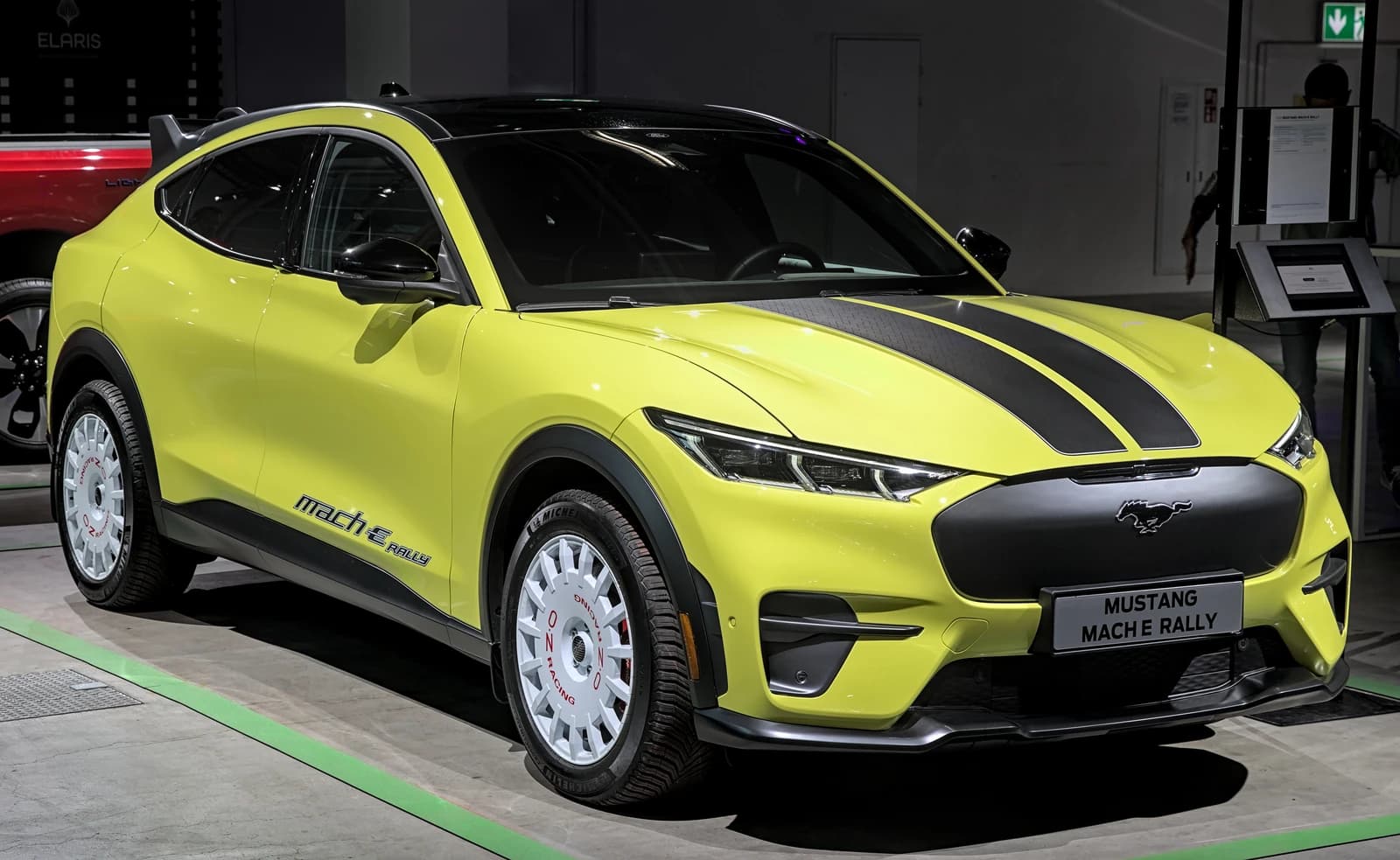
Ford is imagining a car that can literally move itself away from thieves, underscoring how automakers are widening their security playbook as connected vehicles, software and digital controls make theft harder to stop with old-fashioned locks alone.
Ford explores anti-theft car security features
The concept matters because auto theft is no longer just about broken windows and hot-wiring. As vehicles become more software-defined, the risk shifts toward key fobs, wireless relays, onboard systems and other electronic vulnerabilities that can turn a parked car into a target without physical contact.
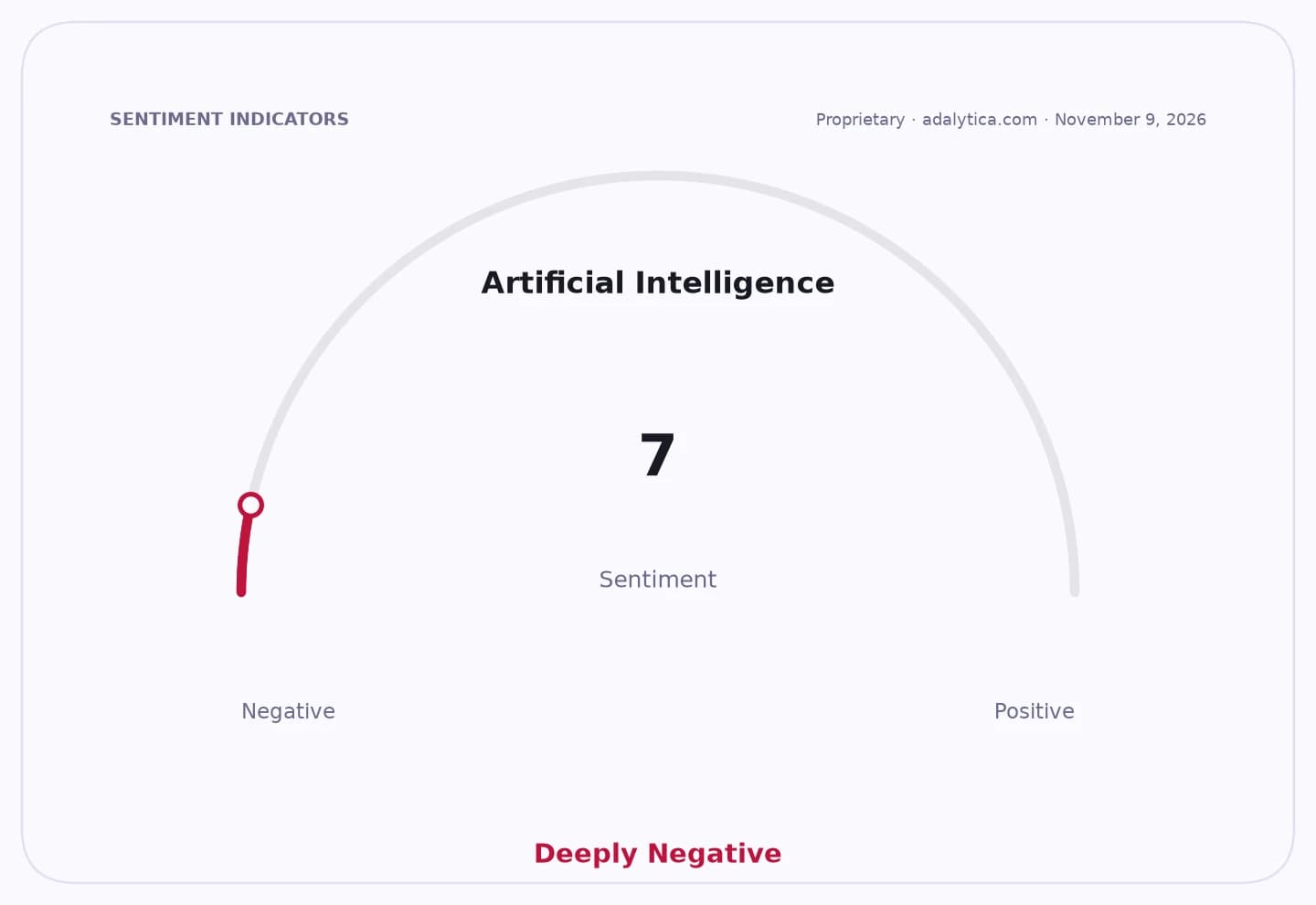
Sentiment Indicators
That raises the stakes for Ford and the rest of the industry. Security features are becoming a product differentiator, especially as buyers grow more aware of cyber and theft risks and insurers push harder on vehicle protection standards. Ford is also operating in a market where investors are watching margins closely, and any new layer of hardware or software security can add cost even as it may support pricing power and brand trust.
Ford shares were last near $12.31, below the 50-day moving average of $12.83 and just under the 200-day average of $13.16, suggesting the stock remains in a soft technical position even after a late-October bounce. The stock has traded well below its 2026 highs, with investors still weighing demand trends, software investment and the cost of protecting more connected vehicles.
The broader industry backdrop is more ominous. High-profile cyber thefts, including a reported $6.3 billion Binance hack attributed to North Korean hackers, are sharpening attention on digital security across sectors. For automakers, the lesson is clear: as vehicles gain more connectivity and autonomy, security becomes not just a compliance issue but part of the core value proposition.
For investors, the key question is whether anti-theft innovation becomes a profitable feature set or another cost center in an industry already pressured by EV competition, software spending and thinner margins. The next catalyst will be whether Ford turns the concept into a commercial offering and whether rivals respond with similar security upgrades.
| Entity | Gains | Losses |
|---|---|---|
| Ford | ▲Brand differentiation | ▼Added development costs |
| Car buyers | ▲Better theft protection | ▼Higher vehicle prices |
| Insurers | ▲Lower theft claims | ▼Less pricing leverage |
| Thieves | ▲Fewer easy targets | ▼More defeat-resistant cars |