Ford is slowing production at its General Pacheco plant in Argentina as weaker exports and softer local sales squeeze one of the country’s most important auto hubs.
Ford slows General Pacheco output in Argentina
That matters because Argentina’s car industry lives and dies on volumes. When exports fall, factories run below capacity, suppliers lose orders and workers feel the pinch quickly. For Ford, the move is a reminder that even global manufacturers with established plants can be forced to trim output when demand cools or trade flows wobble.
Sentiment IndicatorsⓘProprietary · adalytica.com · August 1, 2026
This is a snapshot — live sentiment, awareness and momentum for 130+ markets update continuously in the dashboard.Open AlphaPulse
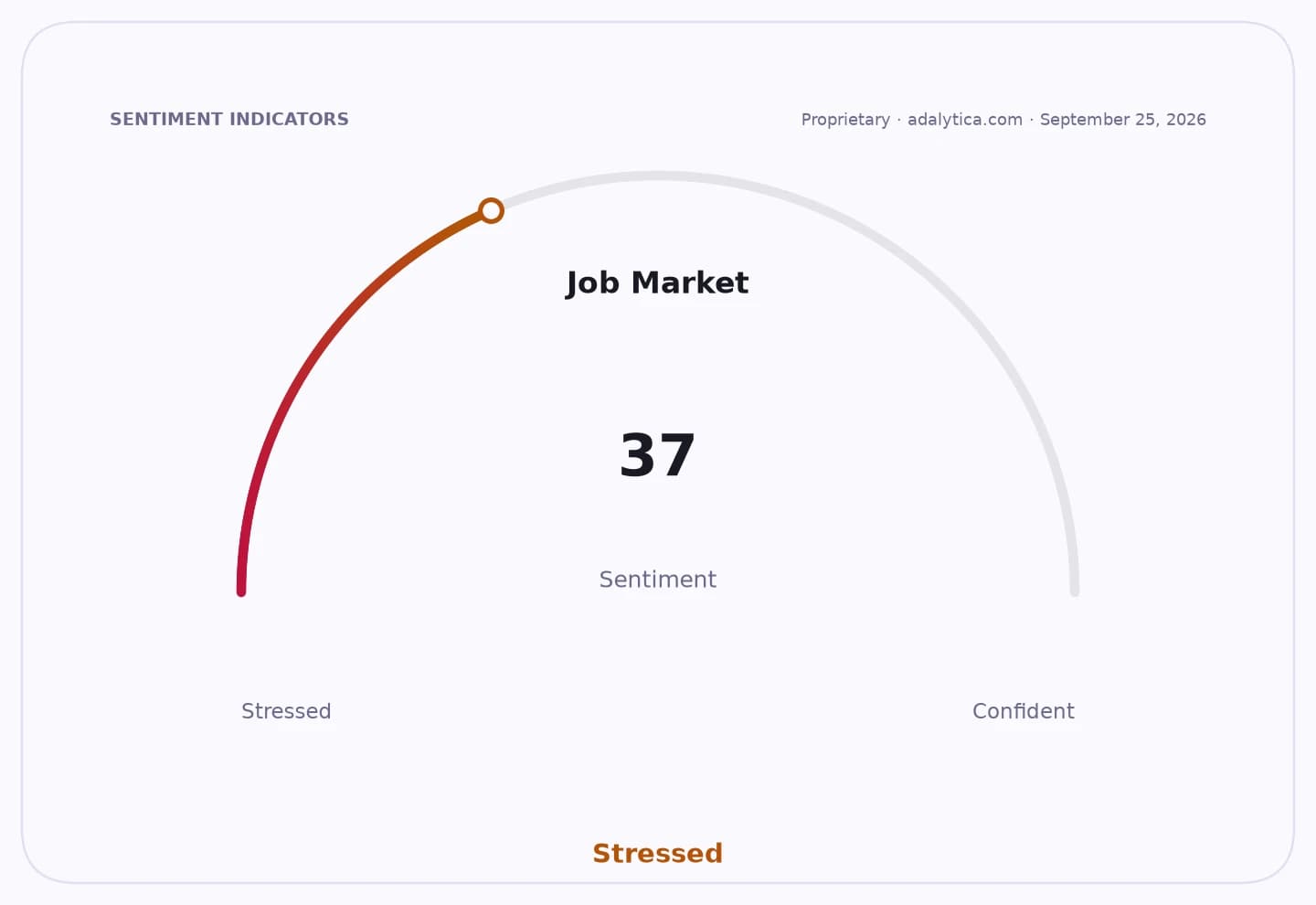
The pressure is showing up against a still-fragile industrial backdrop. Argentina’s industrial production has been improving only gradually, with the latest reading at 102.64 and a July forecast of 102.94, suggesting a modest 0.3% increase. That is not the kind of momentum that gives automakers much room to absorb a drop in shipments abroad. The labor market is also steady but hardly booming, with unemployment at 4.2%, leaving domestic demand supportive but not strong enough to offset a meaningful export slowdown.
For investors, the message is bigger than Ford’s Argentina footprint. It is about how vulnerable automakers remain to regional demand, currency swings and trade disruptions. Ford shares have rallied sharply this year and are still trading above both the 50-day and 200-day moving averages, but the stock’s recent pullback in momentum shows how sensitive the market remains to any sign that volume growth is fading.
General Motors and Stellantis face the same broad Latin American conditions, though each has a different mix of products and exposure. The bigger takeaway is that automakers with concentrated export businesses need healthy external demand to keep plants efficient. When that demand softens, margins can get squeezed even before consumers see any change in showroom prices.
For long-term investors, this looks less like a thesis-breaker than a reminder to focus on companies with pricing power, diversified markets and strong free cash flow. Ford still benefits from scale, brand strength and a large global base, but Argentina underlines why patience and diversification matter in a cyclical industry. For now, it is worth watching how long the production cut lasts and whether weaker exports spread to other plants.
| Entity | Gains | Losses |
|---|---|---|
| Ford’s rivals with steadier volumes | ▲Better relative output | ▼Less competitive pressure |
| Ford | ▲Lower near-term inventory risk | ▼Plant utilization and margins |
| Argentina suppliers and workers | ▲None | ▼Fewer orders and shifts |
| Export-reliant automakers | ▲More room to defend pricing | ▼Weaker factory volumes |