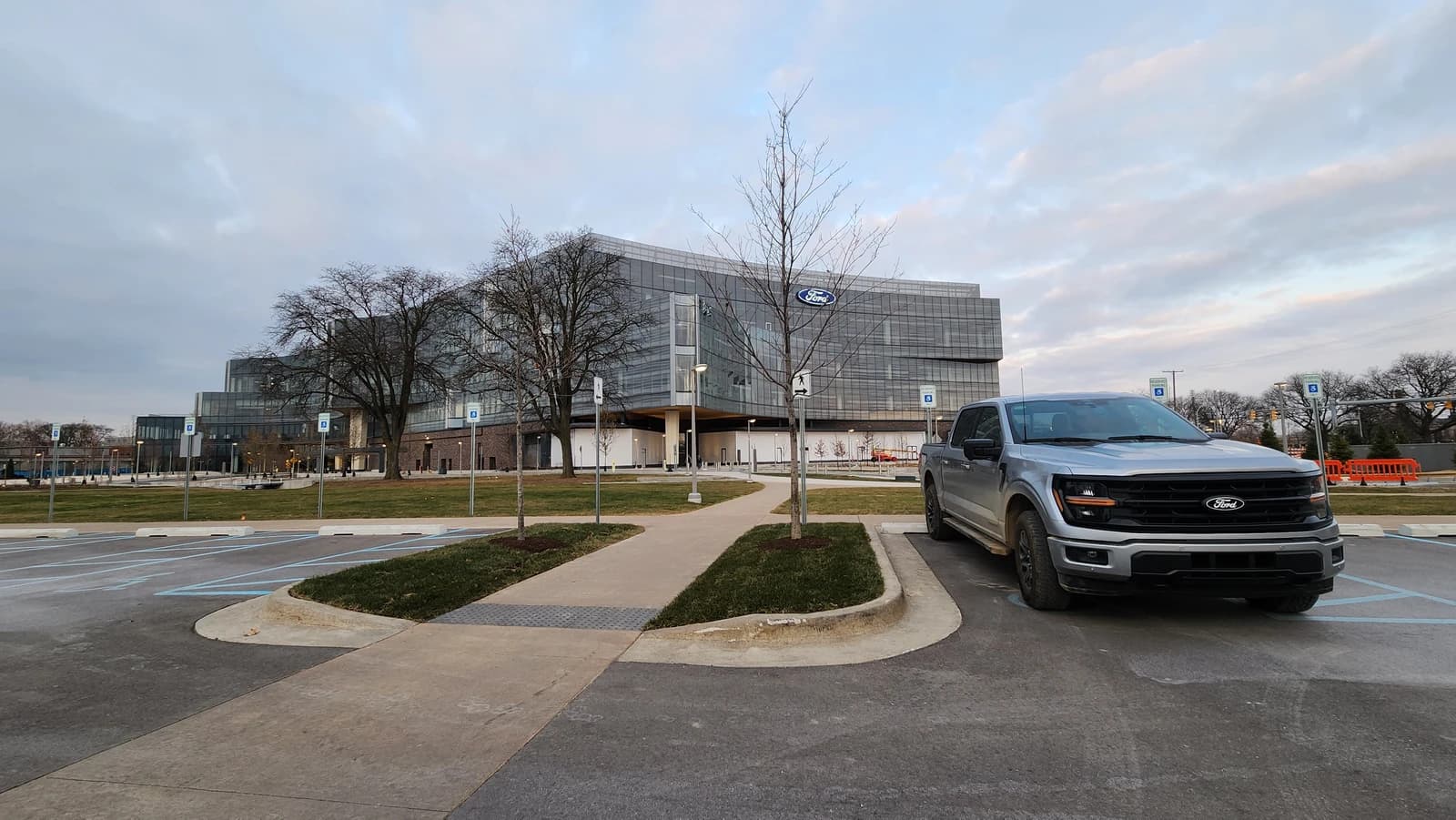
Ford has begun shipping its first U.S.-made lithium iron phosphate batteries from Michigan, a milestone that gives the Detroit automaker a domestic supply chain for the lower-cost chemistry it plans to use to bring a new electric pickup to market at about $28,350.
Ford ships Michigan-made LFP batteries for EV pickup
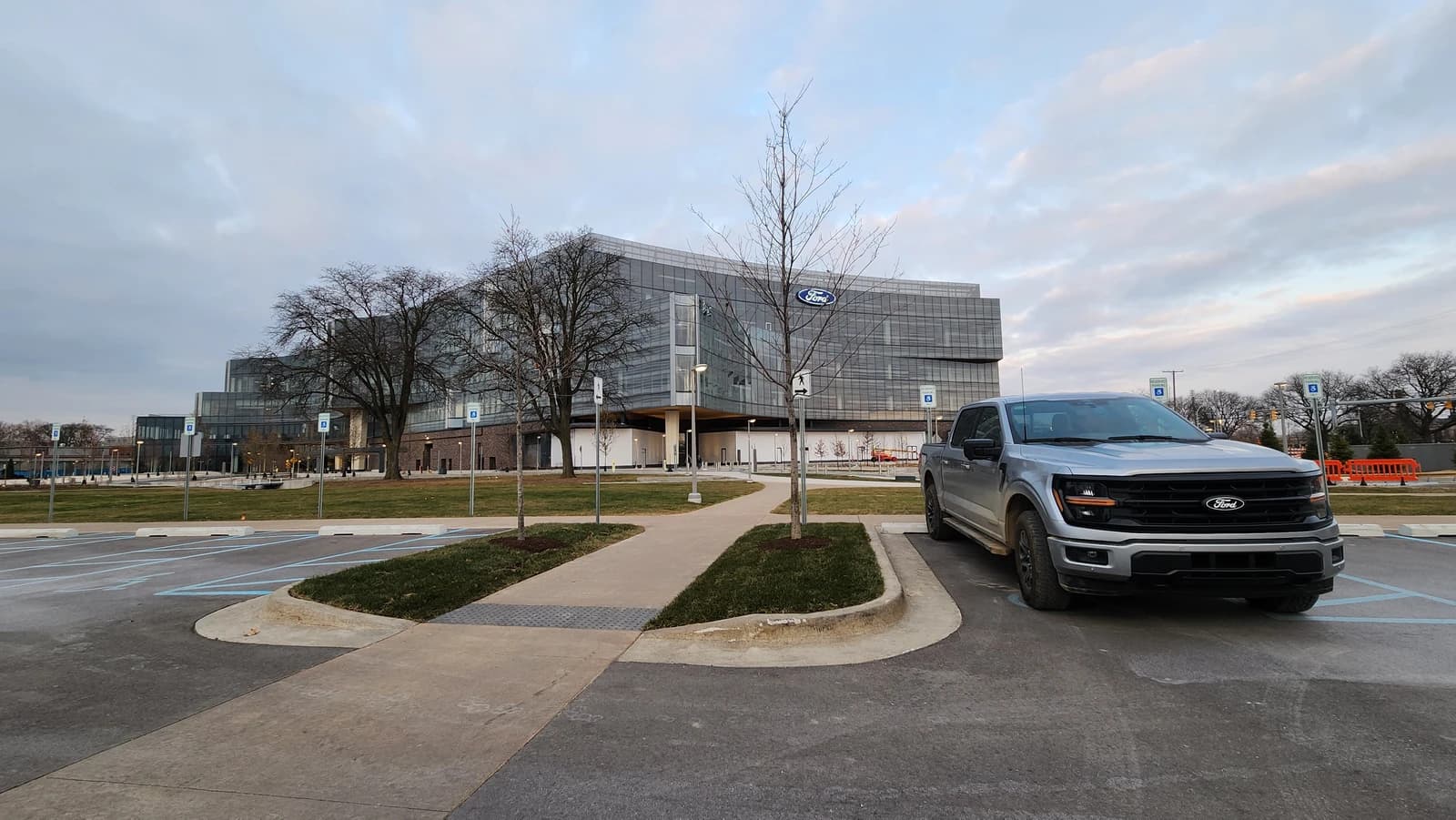
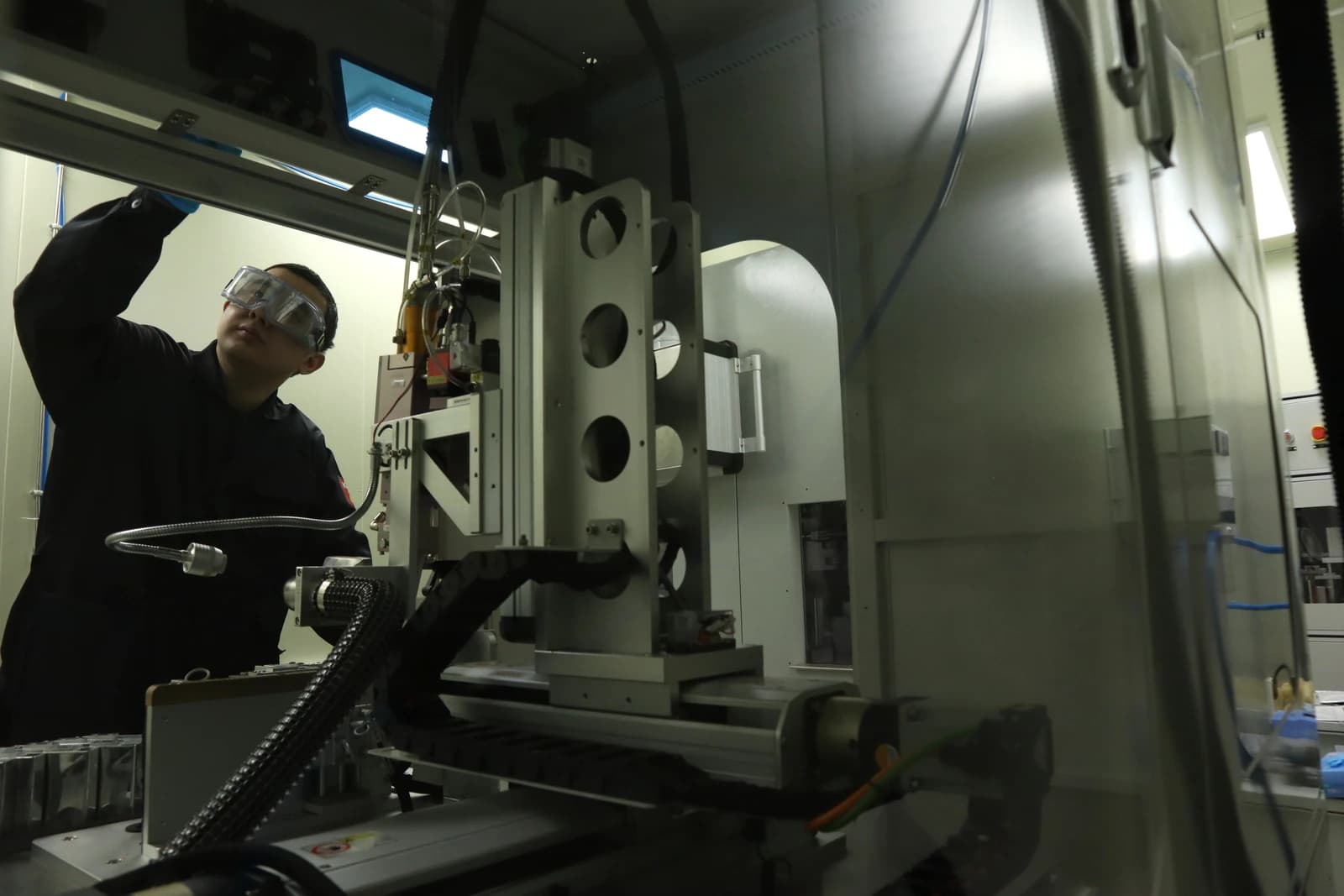
The first prismatic LFP cells are rolling out of BlueOval Battery Park Michigan in Marshall, about 100 miles west of Detroit, and are headed to Ford’s Louisville, Kentucky assembly plant for prototype work on the midsize electric truck Fathom. The project marks the first time a U.S. automaker has localized consumer-grade LFP battery production in America, a shift Ford says is central to cutting EV costs and broadening adoption.
Sentiment Indicators
That matters because battery cost remains the biggest obstacle to mass-market EV pricing in the U.S. LFP cells, which avoid nickel and cobalt, are cheaper to make, longer lasting and better suited to cost-sensitive vehicles than higher-energy chemistries. Ford is betting that those economics, combined with a prismatic design that lets the pack double as part of the vehicle structure, can help it hit a sub-$30,000 starting price when Fathom launches in the fourth quarter of 2027.
The Michigan plant is also a test case for how U.S. manufacturers navigate the technology gap with China. Ford chose to license CATL’s know-how rather than build the chemistry from scratch, even as the Chinese battery leader supplies cells for about 30 million vehicles worldwide. Ford owns and runs the factory, while CATL staff provide technical support and training.
The Marshall site is designed for 20 gigawatt-hours a year, with Ford saying it can produce 40 cells a minute, among the fastest LFP prismatic cell lines outside China. That is a leaner target than Ford’s original 35 to 40 GWh plan, after the company wrote down $19.5 billion of assets by the end of 2025 as EV demand slowed and it reset its capital spending to protect margins.
The project has also been a political flashpoint. Lawmakers in Washington have questioned whether subsidies for domestic manufacturing indirectly benefit a Chinese company, and Ford briefly halted construction in 2023 before resuming on a scaled-back plan. Still, the company says the investment supports U.S. jobs and qualifies for federal tax credits, a key part of the economics behind its EV push.
For investors, the significance is less about one plant than about Ford’s ability to lower battery costs without losing time to develop its own chemistry. If the company can turn the Michigan supply chain into a profitable, low-priced EV line, it could improve Ford’s competitiveness against Chinese automakers and help reverse skepticism around its EV strategy. The next catalyst is whether the Fathom program stays on track for a 2027 launch and whether Ford can scale the model beyond pickups into energy storage as well.
| Entity | Gains | Losses |
|---|---|---|
| Ford | ▲Lower battery costs; domestic EV supply chain | ▼Execution risk; political scrutiny |
| CATL | ▲Licensing revenue; global manufacturing reach | ▼Reputation risk in U.S. politics |
| U.S. EV buyers | ▲Lower-priced EV option | ▼Limited near-term choice if rollout slips |
| Chinese rivals | ▲Validation of LFP chemistry demand | ▼Less pricing advantage if Ford scales successfully |