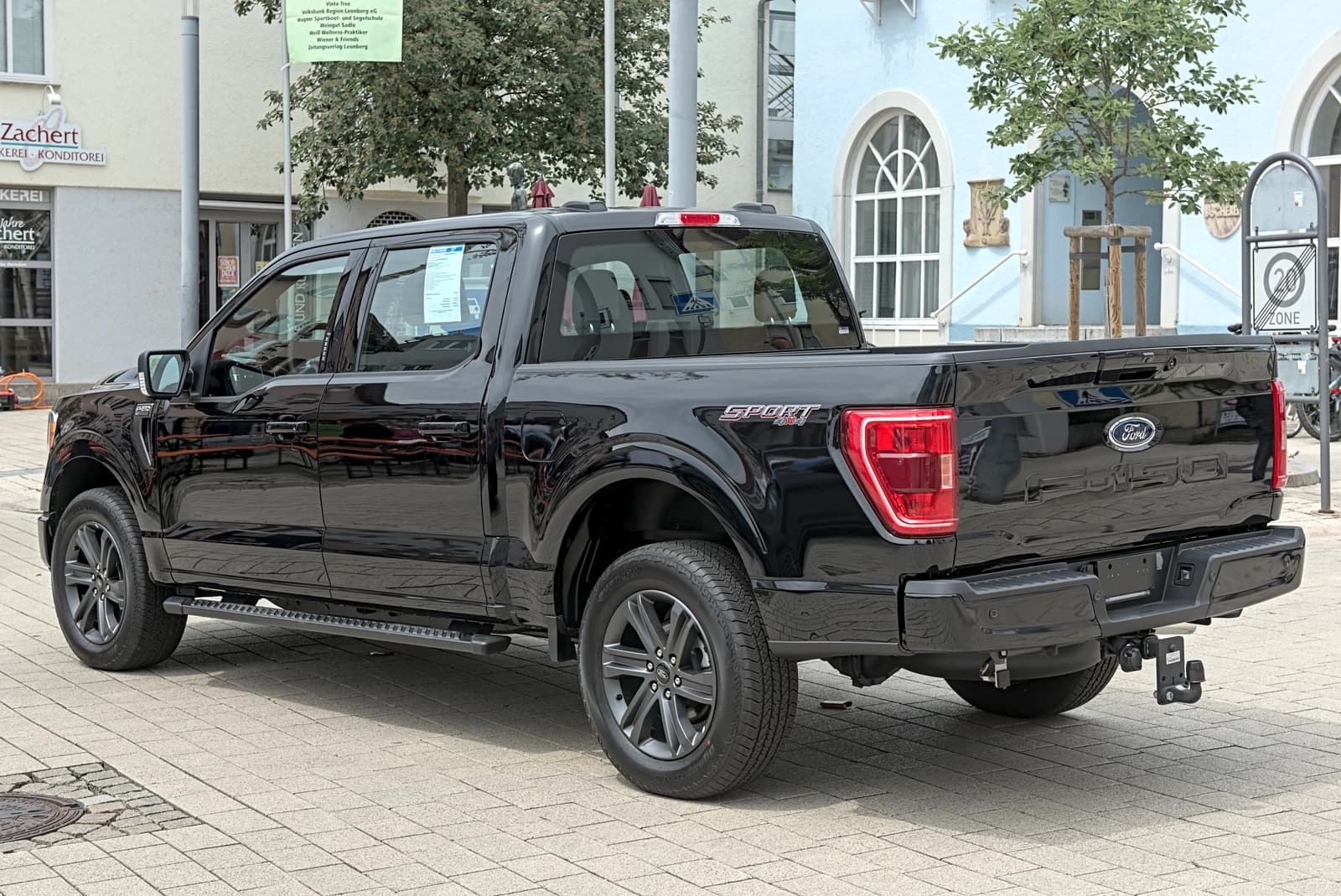
Ford is recalling about 148,663 Mustangs in the U.S. because a wiring defect in the engine compartment could cause a sudden loss of traction power and shut off other functions, adding another quality-control problem for a company already under pressure to prove its vehicles are reliable.
Ford Mustang Recall for Wiring Defect
The recall covers certain 2024 to 2026 model-year Mustangs, according to the National Highway Traffic Safety Administration, which said the engine-bay wiring harness ground connections could break. That could cut power to the wheels and also disable the windshield washer, headlights, air conditioning or engine cooling fan, increasing the risk of a crash or a vehicle stall.
Sentiment IndicatorsⓘProprietary · adalytica.com · September 7, 2026
This is a snapshot — live sentiment, awareness and momentum for 130+ markets update continuously in the dashboard.Open AlphaPulse
For Ford, the issue is more than a compliance headache. The Mustang is one of the company’s best-known nameplates and a core brand asset, so defects in a newer generation vehicle can carry reputational damage well beyond the direct repair bill. Recalls also add cost through parts, labor and dealer time, while drawing scrutiny from regulators and customers at a moment when automakers are being judged as much on software and electrical reliability as on traditional mechanical durability.
The company said owner notification letters were due to begin Aug. 31, with a final remedy not expected until around March 2027, a long timeline that suggests the fix may require a more involved parts change rather than a simple software update or inspection. Dealers will replace the engine compartment wiring harness ground terminals free of charge.
The broader market significance is that recurring safety actions can weigh on investor confidence in Ford’s manufacturing discipline, especially when they involve newer vehicles and high-profile nameplates. Shares of Ford have been trading above their 50-day and 200-day moving averages, but the stock remains sensitive to any sign that warranty costs, recall expenses or brand erosion could offset progress in operations.
The recall also lands against a wider backdrop of automotive quality risk, with complex electrical architectures and advanced powertrains raising the stakes when suppliers or assembly processes slip. For investors, the key question is whether this is an isolated defect or another data point suggesting Ford still has work to do on execution. What matters next is how quickly the company can contain the issue, minimize repeat repairs and keep it from spilling into margins or customer loyalty.
| Entity | Gains | Losses |
|---|---|---|
| Ford dealers | ▲Repair traffic | ▼Customer frustration |
| Mustang owners | ▲Free remedy | ▼Vehicle downtime |
| Ford Motor | ▲Compliance closure | ▼Warranty and recall costs |
| Competitors | ▲Relative quality advantage | ▼— |