French public employees are back on the streets, and the bigger market message is that wage pressure is becoming a political and fiscal problem just as the government is trying to lock in a 2027 budget that rules out broad salary increases for a fourth straight year.
France Public Sector Strike Pressures 2027 Budget
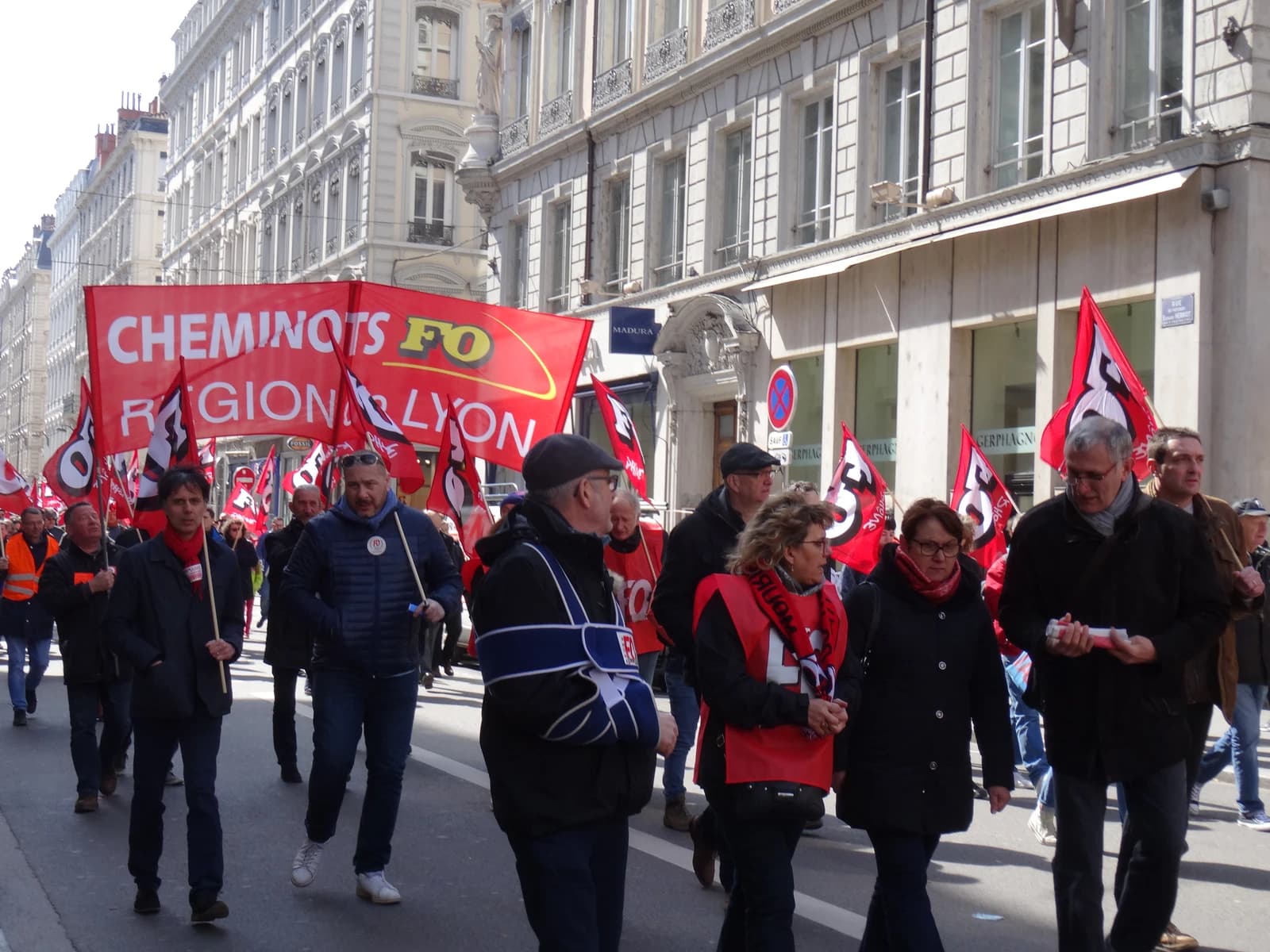
The strike, backed by unions across the public sector and expected to draw about 190 demonstrations nationwide, is aimed at forcing Prime Minister Sébastien Lecornu to unfreeze the index point used to calculate civil-service pay. With 5.8 million public employees in scope, this is not a symbolic protest. It is a test of whether France can contain a powerful cost-of-living backlash without reopening a wage bill that already weighs on the state.
Sentiment Indicators
For investors, the immediate issue is not just social unrest. It is the risk that persistent labor pressure forces higher public spending or concessions that complicate deficit reduction and keep French rates and sovereign risk premia under scrutiny. The timing matters: unions are protesting after a meeting with Lecornu that produced no breakthrough, and after the government raised the minimum wage in the private sector, sharpening demands for public-sector catch-up pay.
That dynamic is economically important because public wages feed directly into consumption, fiscal outlays and inflation persistence. Union groups say workers have lost 16% of purchasing power since 2017, and they warn that 1.1 million civil servants could fall below the minimum wage once the latest revaluation takes effect on Dec. 1. Whether or not that figure becomes a bargaining chip, it underscores how wage compression can turn into a structural labor-market problem rather than a one-off grievance.
The market lens is straightforward: France is already carrying the burden of a difficult fiscal adjustment, and any sign that labor unrest is hardening into a broader social movement raises the probability of policy drift. That is why the strike matters for bondholders, equity investors and anyone exposed to French domestic demand. Higher public-sector pay would support households at the margin, but it would also widen the state’s compensation bill and make budget discipline harder to defend.
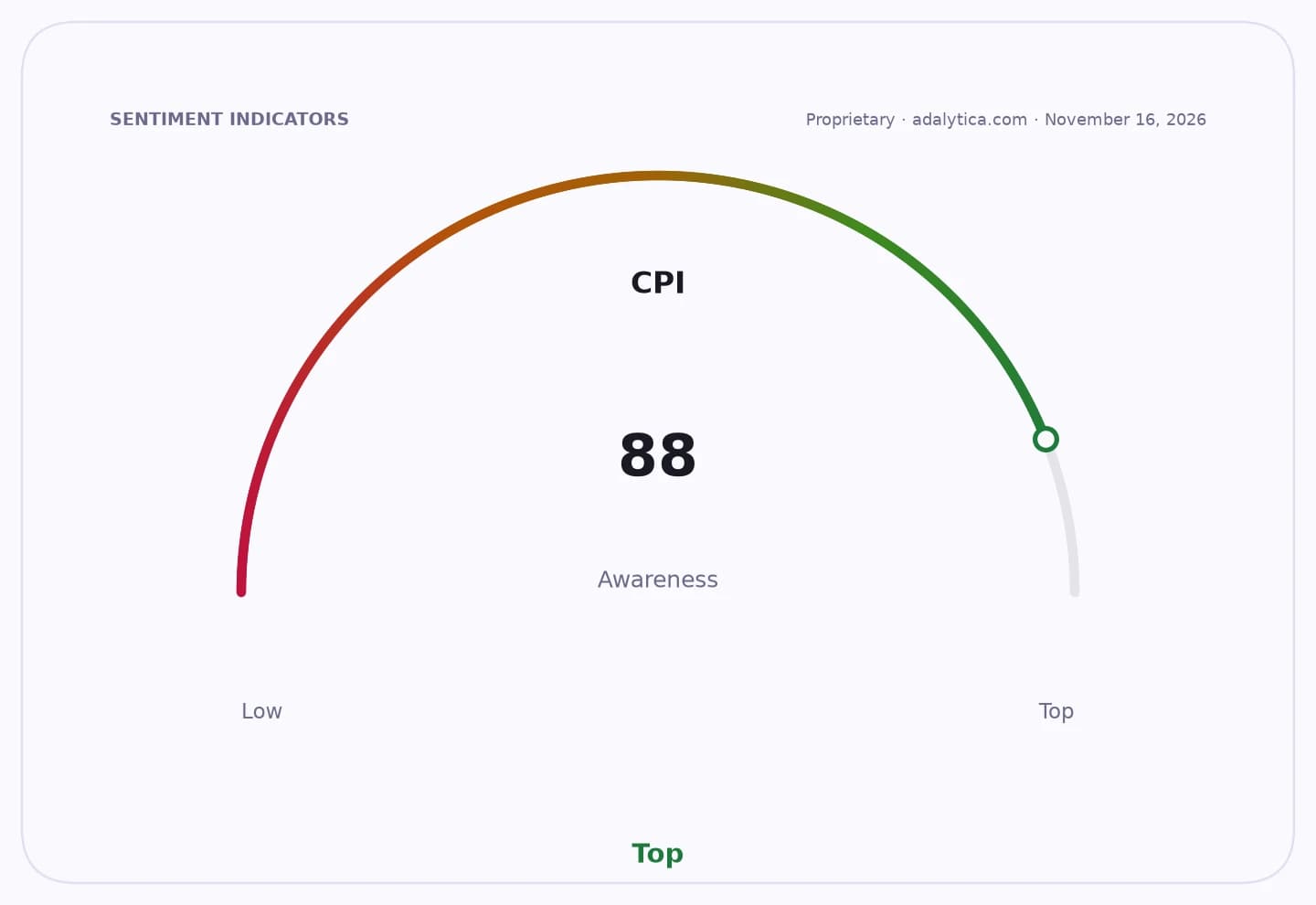
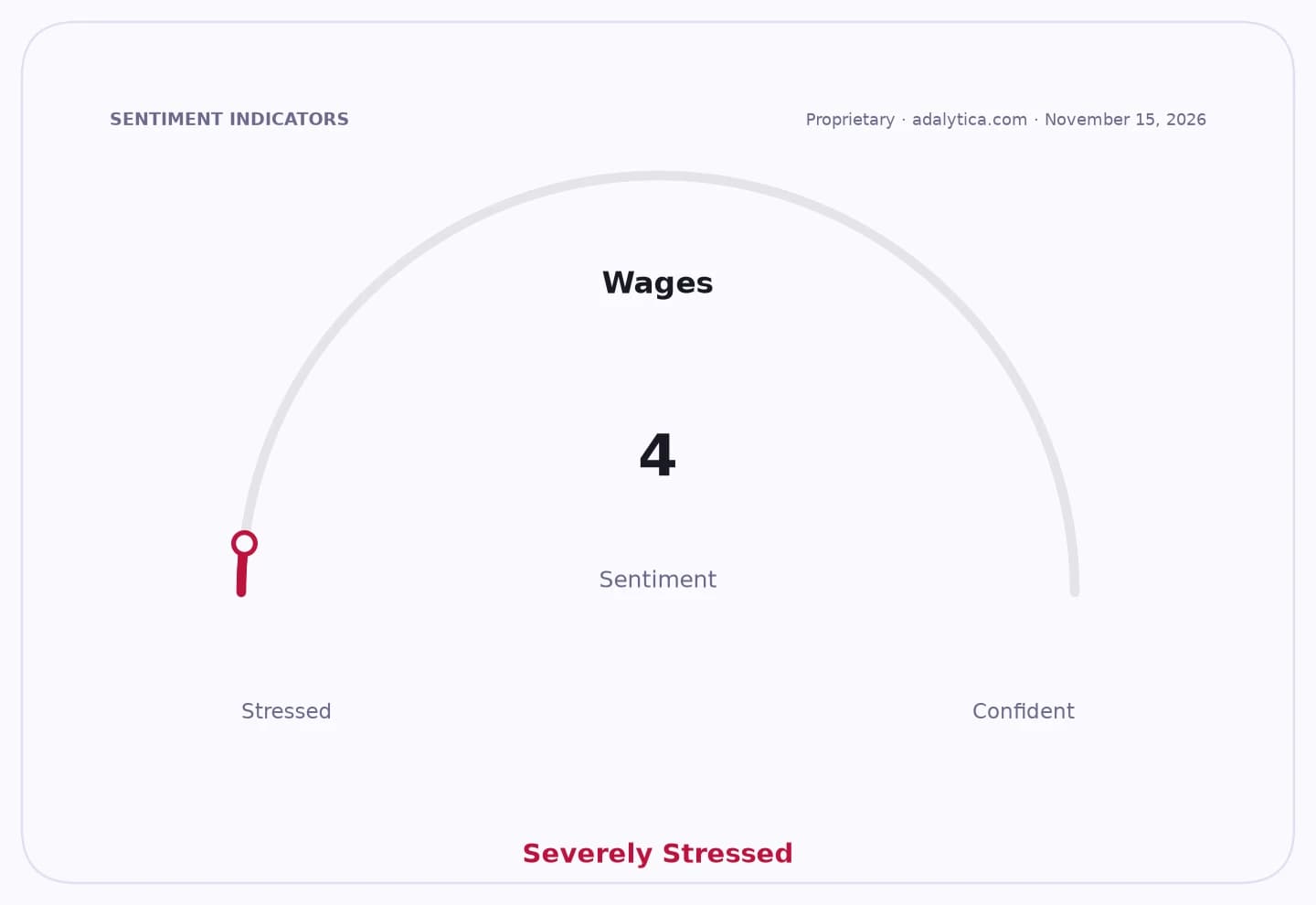
The second-order effect is on sentiment. France is not facing a classic recession shock, but it is dealing with a confidence problem that can become self-reinforcing when workers, consumers and policymakers all assume the system will be forced into concessions. Adalytica’s consumer confidence recession sentiment snapshot already shows “Extreme Fear,” with awareness and sentiment both collapsing over the past month, reflecting how quickly labor tension can feed a broader risk-off tone.
For investors, the takeaway is to stay selective. French domestic cyclicals remain vulnerable to renewed strike action, public-finance headlines and weaker consumer confidence, while beneficiaries are more likely to be defensive exporters and multinational names less exposed to the local wage fight. The real catalyst to watch is whether Lecornu opens the door to any pay adjustment or instead doubles down on the budget line that says no general raise for a fourth year. If he holds firm, the protests may fade. If he yields, the fiscal story gets materially worse.
| Entity | Gains | Losses |
|---|---|---|
| French public unions | ▲More leverage on wages | ▼None if talks fail, politically isolated if turnout softens |
| French government | ▲Short-term if it resists concessions | ▼Budget credibility, social calm |
| French consumers | ▲Higher pay if wage deal emerges | ▼Purchasing power if inflation and taxes rise |
| French domestic cyclicals | ▲Wage boost to spending if deal is struck | ▼Strike disruption and confidence hit |