Fraunhofer IEG has finished drilling four boreholes into a flooded coal mine in Bochum, a technical milestone that could make old mines a practical form of underground heat storage and lower the cost of supplying low-carbon heating year round.
Fraunhofer IEG drills Bochum mine heat storage wells
The significance is bigger than the drilling itself. If the pilot proves commercial, flooded mine workings could act as “geobatteries,” storing surplus heat from solar and geothermal systems in summer and releasing it in winter, when heating demand spikes and district heating networks face the highest strain. That matters for Germany and other former coal regions because heating remains one of the hardest parts of the energy transition to decarbonize, especially in dense urban areas where land for large above-ground storage is scarce.
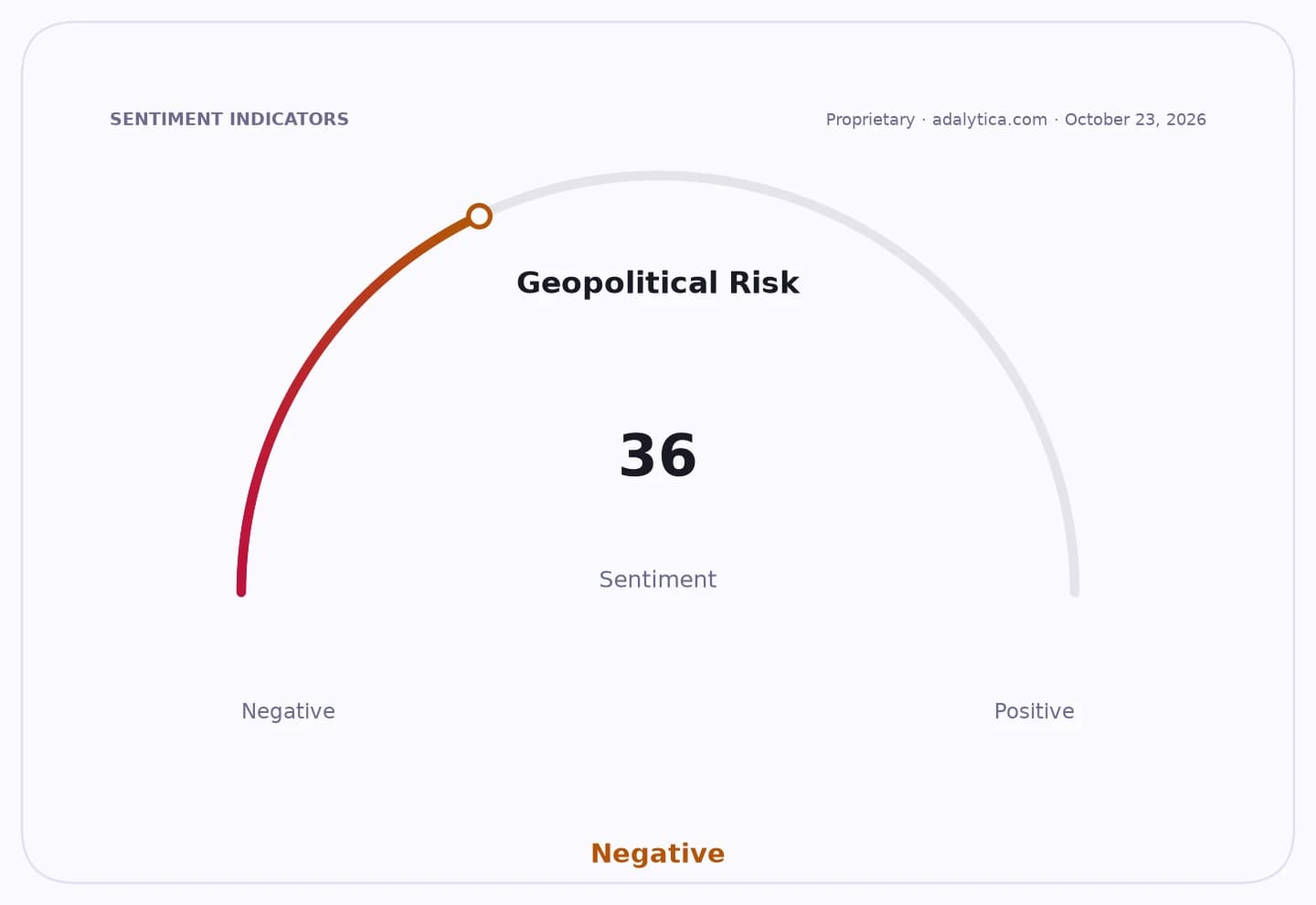
Sentiment Indicators
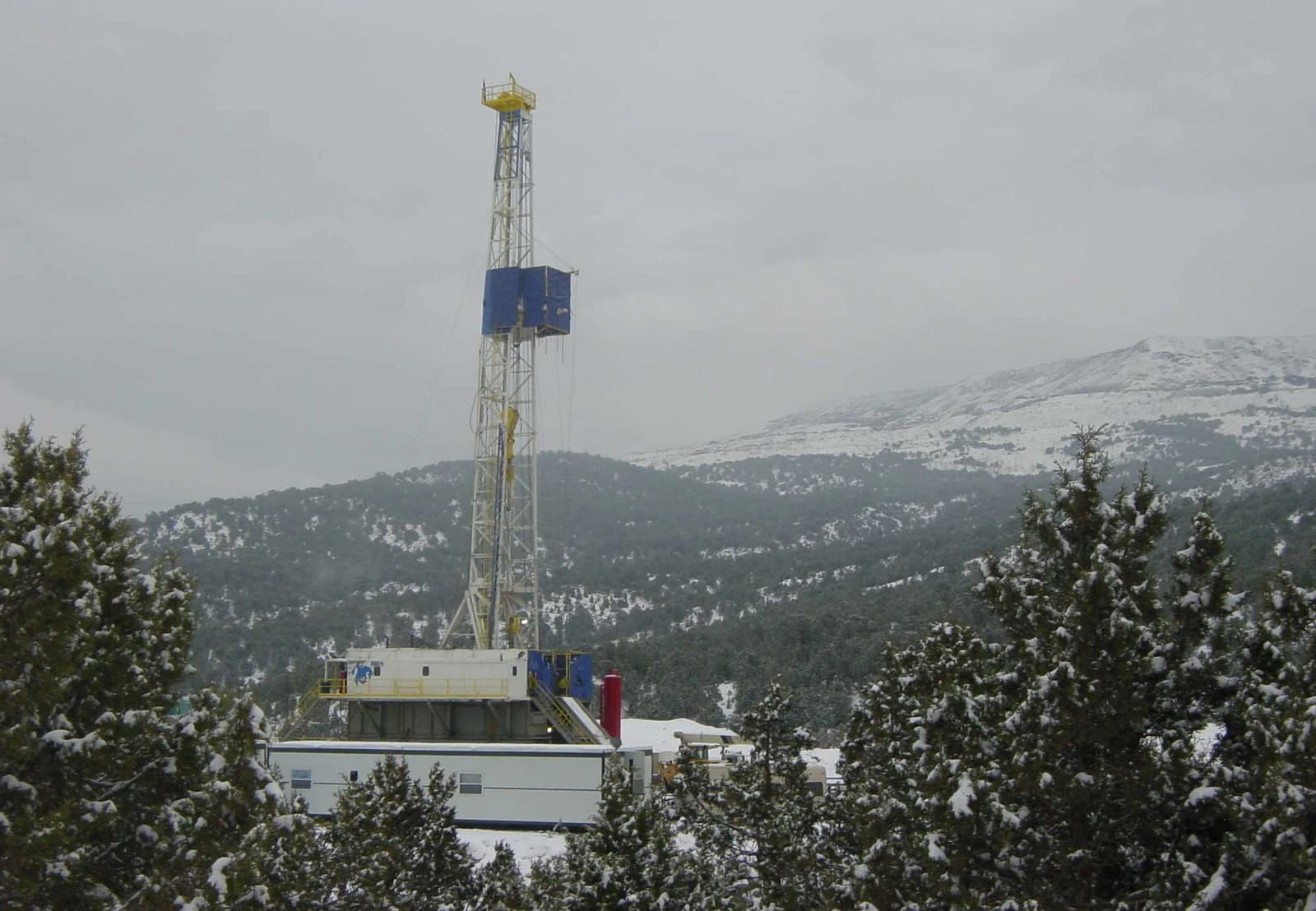
The Bochum project is part of the EU-backed PUSH-IT program, a collaboration of 18 European partners exploring aquifer thermal energy storage, borehole thermal energy storage and mine thermal energy storage. At the Bochum site, Fraunhofer and Ruhr University researchers used a mobile drilling rig to reach about 120 meters underground and intersect narrow mine tunnels, showing that conventional equipment can access flooded mines without the costly directional drilling used in oil and gas.
That cost point is central. Fraunhofer said the work demonstrated that mine water can be reached with medium-sized systems, potentially reducing the expense and complexity of tapping abandoned mines for heat or cooling. The institute now plans thermal storage tests to determine how much energy the site can hold and whether the economics justify the above-ground infrastructure needed to serve local users such as data centers, public buildings or district heating customers.
For investors, the story reinforces a broader European theme: the push to turn legacy industrial assets into energy infrastructure. That creates a potential opening for geothermal developers, municipal utilities and engineering contractors, while also strengthening the investment case for district heating, heat-pump networks and low-carbon baseload heat supply. The flip side is execution risk. These projects are site-specific, slow to scale and dependent on geology, permitting and local demand density, which means the commercial model is still being proven.
The work also fits Germany’s wider post-coal transition. Former mining regions often have the subsurface knowledge, urban load centers and abandoned infrastructure needed to make mine-water storage viable. Earlier drilling in Bochum had already accessed mine water at roughly 27 to 28 degrees Celsius, showing that the region has real geothermal utility beyond academic research.
If the upcoming storage test confirms viable capacity and economics, the technology could move from curiosity to a repeatable model for municipal decarbonization. If it does not, the project will still have clarified the limits of using flooded mines as seasonal heat storage — a useful result in a sector where the gap between technical feasibility and bankable infrastructure remains wide.
| Entity | Gains | Losses |
|---|---|---|
| Fraunhofer IEG and PUSH-IT partners | ▲Research validation | ▼Technical uncertainty |
| Municipal utilities and district heating operators | ▲New storage option | ▼Upfront project risk |
| Former coal regions in Germany | ▲Repurposed assets | ▼Legacy mine liabilities |
| Fossil-fuel heating and conventional gas supply | ▲— | ▼Longer-term demand pressure |