A French Alzheimer’s unit is testing AI-powered voice calls and humanoid and animal-like robots to ease agitation, stimulate memory and cope with staff shortages in a sign that artificial intelligence is moving from clinical research into day-to-day elder care.
French Alzheimer’s unit tests AI voice calls and robots

The trials matter because dementia care is one of the fastest-growing and most labor-intensive parts of healthcare, and family-run tools like Livana and therapeutic robots such as Miroki and Paro could reduce reliance on sedatives while giving overstretched caregivers another way to calm patients and keep them engaged. For investors, the work points to a growing addressable market for AI software, sensors and companion robotics across hospitals, nursing homes and home care.
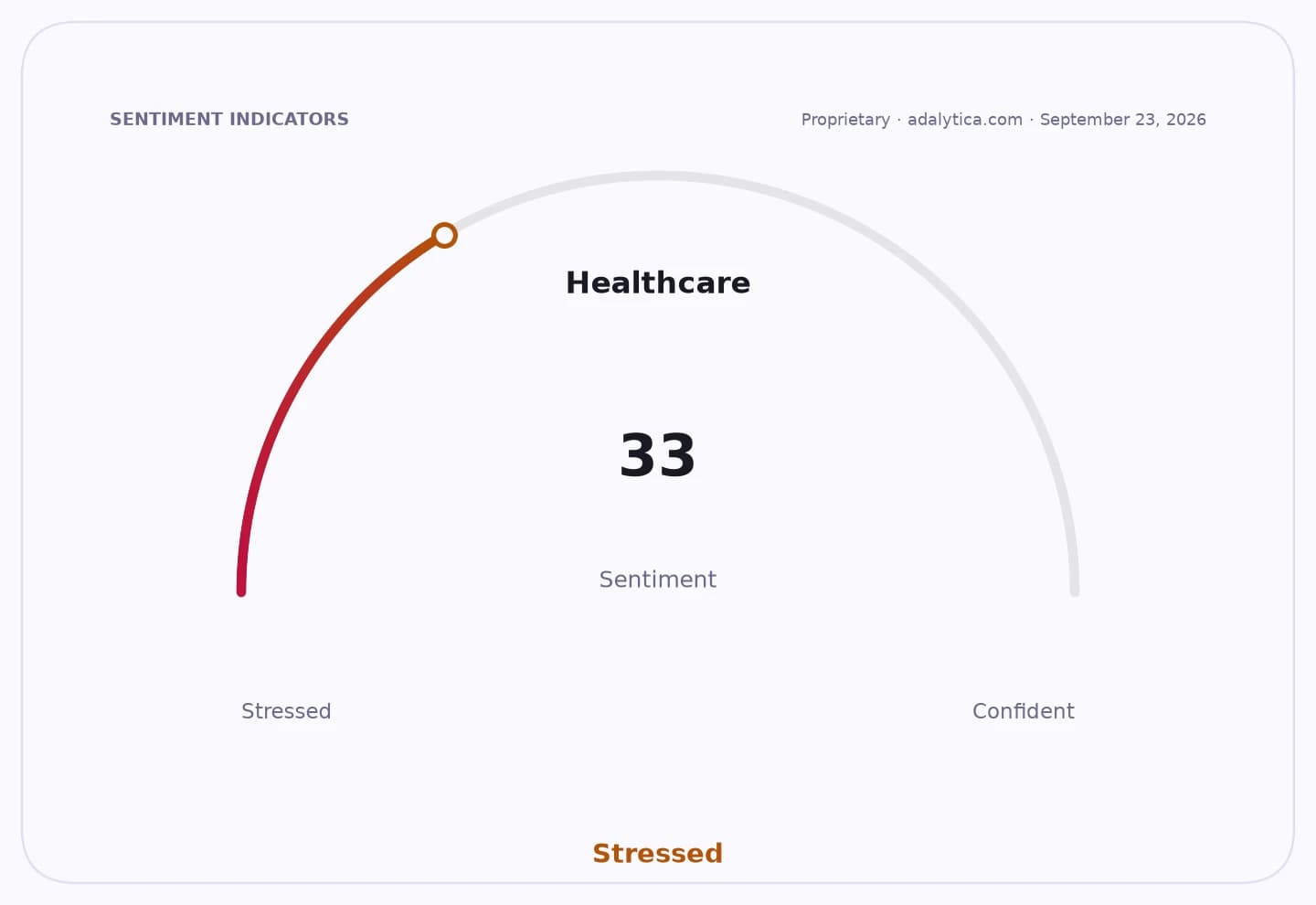
Sentiment IndicatorsⓘProprietary · adalytica.com · September 22, 2026
This is a snapshot — live sentiment, awareness and momentum for 130+ markets update continuously in the dashboard.Open AlphaPulse

At La Septfontoise in southwest France, an 83-year-old Alzheimer’s patient speaks for about 10 minutes with “Livana,” a phone fitted with AI that imitates the voice of her grandson. The system was preconfigured by the family and the facility’s psychologist using personal memories and happy moments to make the conversation feel natural, a key distinction from earlier voice assistants.
The center says the tool can calm residents when they are agitated without medication and help fill gaps when staffing is thin, though management stresses it will not replace nurses or therapists. That human-in-the-loop model is likely to be central to broader adoption, since care homes face persistent labor pressure but regulators and clinicians remain wary of fully automated treatment.
The broader research push is also moving beyond voice. At AP-HP’s Broca Living Lab in Paris, researchers are testing whether humanoid robots and animal-like companions can support cognitive stimulation in older adults with cognitive impairment or loss of autonomy.
One orange humanoid robot, Miroki, asks residents questions and prompts memory exercises, while Paro, a robotic baby seal, uses sensors to adjust movement and sounds to the patient’s reaction. Researchers say the goal is to encourage conversation, support memory training and, in some cases, trigger emotional recall through animal forms that feel less threatening than a machine.
Not every patient responds the same way, which is why the technology remains assistive rather than autonomous. That variability is important for investors weighing the economics: the winners are likely to be companies that build customizable, clinician-supervised systems for institutions that need lower-cost support, not replacements for human care.
The next test is whether these tools can prove they reduce agitation, improve quality of life and fit into reimbursement and staffing models that are already under strain.
| Entity | Gains | Losses |
|---|---|---|
| Alzheimer’s patients | ▲more engagement, less agitation | ▼less one-on-one human time |
| Care homes and hospitals | ▲staffing relief, fewer sedatives | ▼higher adoption and training burden |
| AI and robotics firms | ▲new healthcare market | ▼slower uptake if trust is weak |
| Nurses and therapists | ▲support tools for care sessions | ▼risk of workflow disruption |