Fuel lines in the Palestinian Authority are more than an inconvenience; they are a warning sign that a fragile economy can be throttled quickly when energy supply is disrupted.
Fuel Shortages Signal Wider Energy Risk

When drivers wait for gasoline, the damage spreads fast. Transport slows, deliveries get delayed, small businesses lose hours, and public services that rely on generators or vehicle fleets become less reliable. In an economy with limited room for shock absorption, a fuel shortage can act like a tax on every household and company that depends on movement, power and imported goods.
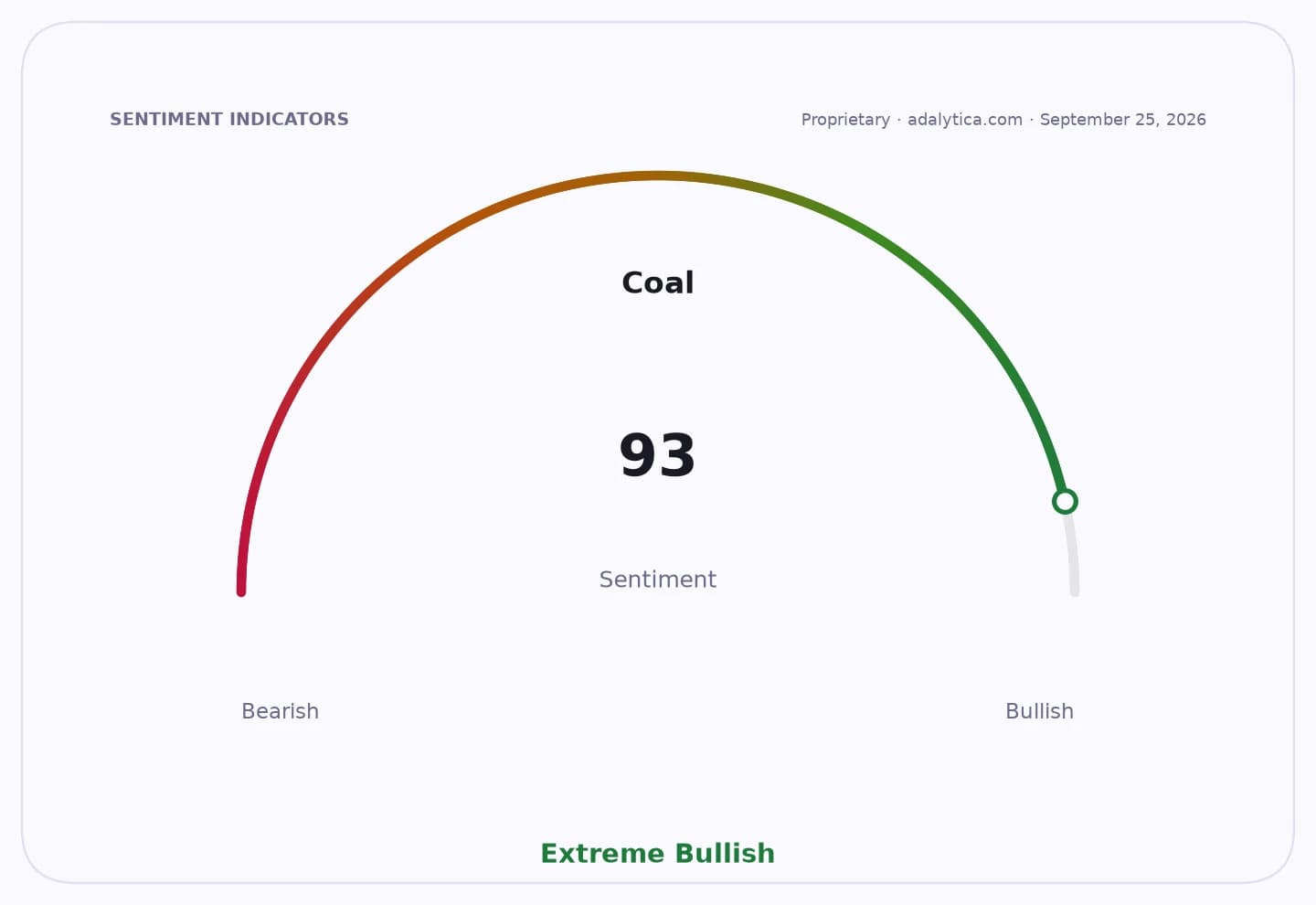
Sentiment IndicatorsⓘProprietary · adalytica.com · July 21, 2026
This is a snapshot — live sentiment, awareness and momentum for 130+ markets update continuously in the dashboard.Open AlphaPulse

That is why the queues matter economically. Fuel is the lifeblood of local commerce, and shortages can quickly feed through to higher operating costs, weaker consumer spending and pressure on already tight public finances. For the Palestinian Authority, any interruption in fuel access can also complicate tax collection, transport logistics and the functioning of essential services.
The broader backdrop is a global fuel system that remains vulnerable to disruption. Adalytica’s global stability gauge is flashing “extreme fear,” underscoring how geopolitical risk can still tighten supply even when officials say stocks are adequate. In oil markets, U.S.-listed United States Oil Fund, or USO, has risen to 128.28, far above its 50-day moving average of 125.55, with a relative strength reading of 77.7, a sign that crude remains firm and traders are still pricing in supply anxiety.

That matters for investors because energy stress does not stay local. If shortages persist, it can support oil prices, lift fuel-related logistics costs and deepen the earnings pressure on transport-heavy businesses across the region. It also reinforces the case for owning diversified energy exposure rather than trying to time short-lived price swings. Long-term investors know these disruptions tend to reward disciplined producers and weigh on consumers, importers and any company with thin margins.
The move has also sparked mixed market implications outside the region. Clean-energy and alternative-fuel names such as Clean Energy Fuels, or CLNE, can gain attention when conventional supply looks shaky, but the stock remains volatile and still trades near $2.08, only modestly above its 50-day average of $2.04. For now, the bigger story is not a quick rotation into alternatives, but the reminder that energy security still matters more than ever.
For investors, the lesson is simple: fuel shortages are a local crisis with global echoes. They can feed inflation, strain fragile economies and keep energy markets on edge. It is a development worth watching closely, especially if supply disruptions broaden or linger into the coming weeks.
| Entity | Gains | Losses |
|---|---|---|
| Fuel traders | ▲Higher pricing power | ▼Demand uncertainty |
| Oil producers | ▲Supportive crude prices | ▼None immediately |
| Palestinian households | ▲None | ▼Longer wait times |
| Local businesses | ▲None | ▼Higher operating costs |