Rising funeral and burial costs are pushing more American households into debt just as inflation, even after cooling from its peak, has left essentials far more expensive than they were before the pandemic.
Funeral Costs Push Households Into Debt
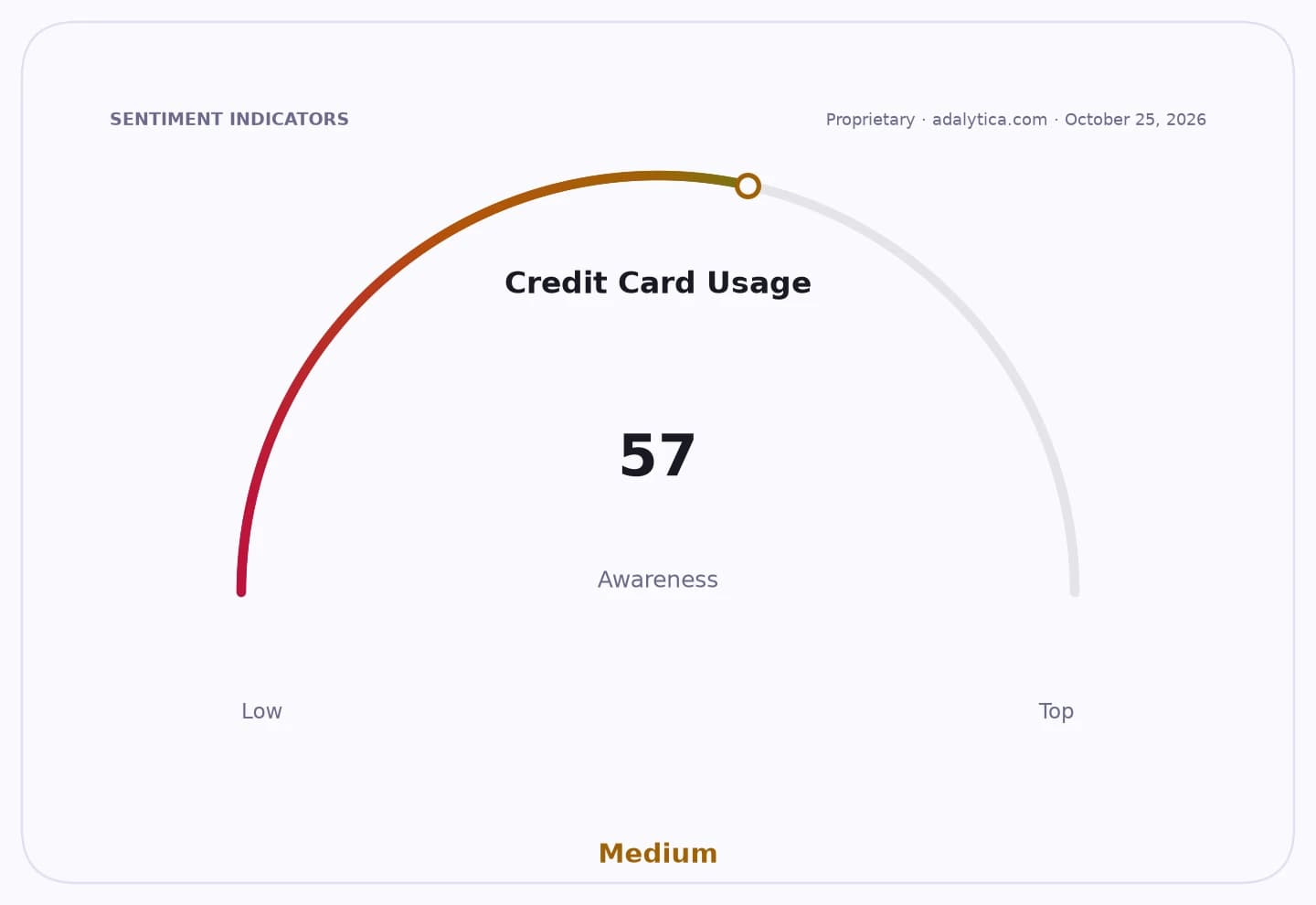
Credit Card Usage
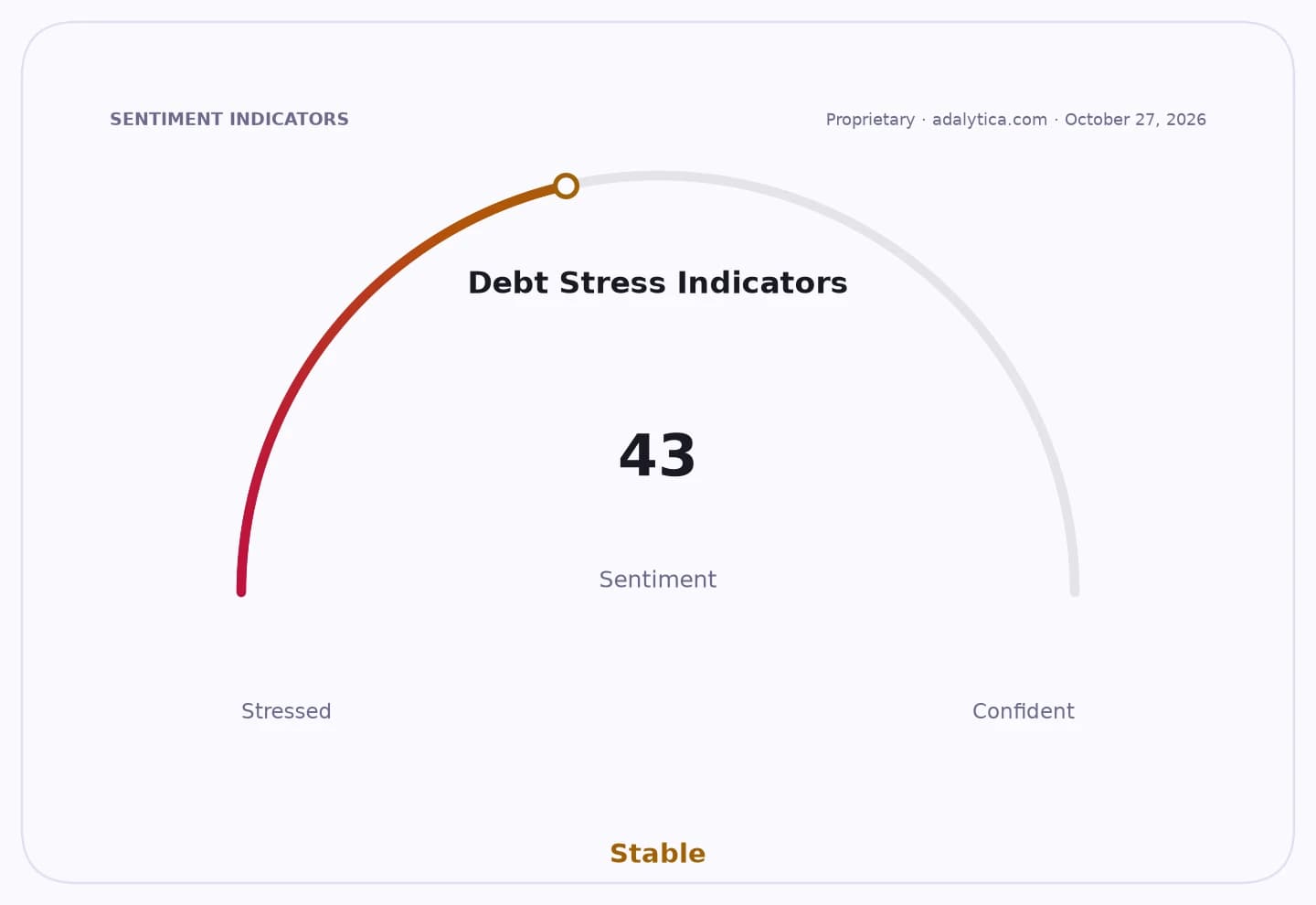
The problem is not only emotional but economic: death is now colliding with a household balance sheet already strained by decades of higher living costs. Consumer prices have climbed to 337.476 on the CPI index in October, up from 237.336 in early 2016 and more than 40% above the level implied in May 2026, while unemployment has stayed near 4.1%, meaning many families still have jobs but not enough liquid savings to absorb a sudden funeral bill. That leaves credit cards, personal loans and home equity as the backstop when a loved one dies.
Sentiment Indicators
The trend matters because funeral expenses are unusually difficult to defer. Families are forced to spend quickly on services, caskets, transport and burial plots, often before insurance payouts or estates can be accessed. In practice, that turns a one-time event into revolving consumer debt, compounding financial stress for lower- and middle-income households and raising the risk of delinquencies elsewhere in the budget. The result is a quiet but persistent demand for financing tied to grief, one that is likely to remain sticky even if broader inflation slows.
That pressure is not abstract for the funeral industry. Service Corporation International, the largest U.S. funeral operator, has told investors that changing consumer preferences and demographic trends affect its business, while its latest filings show funeral revenue rose and comparable sales increased in the third quarter. But higher prices can cut both ways: they support top line growth for operators with pricing power, yet they also make affordability more sensitive, particularly as families trade down, postpone upgrades or finance only the bare minimum. Funeral homes and insurers alike are exposed to a consumer who is grieving, time-constrained and increasingly cash poor.
For investors, that creates a split picture. On one side are funeral and burial providers, which can benefit from aging demographics and the inelastic nature of death services. On the other are households, lenders and insurers that may face rising credit strain, higher claims sensitivity and reputational risk if financing products look predatory. The broader market implication is that inflation’s afterlife is still being felt in corners of the economy where demand is unavoidable and price elasticity is low.
What to watch next is whether wage gains and stable employment are enough to keep funeral debt contained, or whether households increasingly treat end-of-life costs like any other emergency expense: with borrowed money.
| Entity | Gains | Losses |
|---|---|---|
| Funeral operators | ▲Higher revenue, pricing power | ▼Affordability backlash |
| Lenders | ▲Interest income on short-term borrowing | ▼Higher consumer stress |
| Households | ▲Access to immediate funds | ▼More debt, thinner savings |
| Insurers | ▲Potential policy demand | ▼Higher pressure from claims timing |