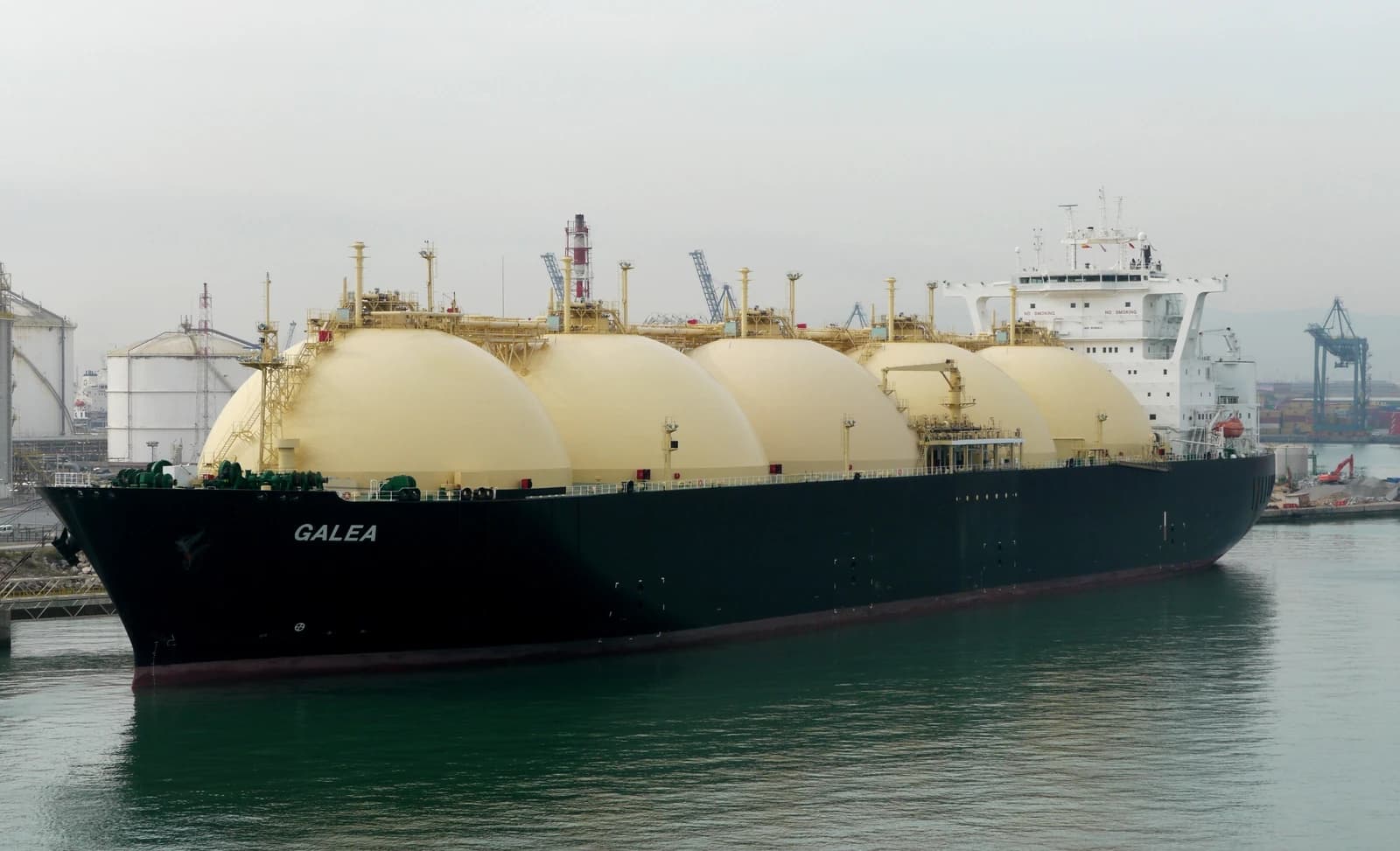
Gate Terminal has commissioned a fourth LNG storage tank at the Port of Rotterdam, lifting annual capacity to 20 billion cubic metres and deepening the Netherlands’ role as a key gas import hub for Europe.
Gate Terminal adds fourth LNG storage tank in Rotterdam
The expansion matters because it gives traders and utilities more room to move cargoes into northwest Europe at a time when LNG remains central to replacing Russian pipeline supply and balancing the region’s winter demand. Gate said the new 180,000-cubic-metre tank takes the terminal to roughly two-thirds of the Dutch gas market, underscoring how concentrated the country’s import infrastructure has become.
Sentiment Indicators
The Port of Rotterdam Authority is also building a fourth jetty for Gate, with small-scale loading and bunkering targeted to start by the end of 2028. Gate is weighing a fifth jetty as well, a sign the terminal is testing how much additional market demand exists for ship-to-ship and bunker services beyond its core import and regasification business.
For investors, the move reinforces the structural case for LNG infrastructure owners, shipping and terminal operators as Europe keeps paying up for supply security. More storage and loading capacity can improve throughput, support utilization and strengthen the terminal’s strategic value if spot flows stay volatile and Asian demand competes for cargoes.
The development comes as LNG supply chains remain in focus, with global flows and European storage levels still dictating pricing and arbitrage opportunities. Shares of LNG-related companies have also been sensitive to broader gas-market swings, with conventional technical indicators on U.S. LNG names showing recent pullbacks and stabilization after sharp gains earlier this year.
| Entity | Gains | Losses |
|---|---|---|
| Gate Terminal / Port of Rotterdam | ▲Higher throughput and strategic relevance | ▼Capital spending and project execution risk |
| LNG exporters and traders | ▲More storage and loading capacity | ▼Tighter competition for cargoes and slots |
| European utilities and industrial buyers | ▲Better supply access and optionality | ▼Less leverage if demand rises and capacity fills |
| Rival LNG hubs and terminals | ▲— | ▼Pressure as Rotterdam strengthens its role |