A growing share of Gen Z is leaning on friends for short-term credit, a sign that everyday inflation and weaker financial cushions are forcing younger consumers to finance social life, travel and shared expenses with informal debt rather than savings.
Gen Z Peer Debt Signals Consumer Strain
About half of Gen Z now owes friends more than $1,000, while nearly another half says it has gone into debt to cover group expenses it expected to be repaid, according to the data supplied with the story brief. That is more than a quirky sign of bad money management: it points to a generation with limited liquidity, higher financial fragility and a rising need for smaller, faster forms of credit that sit outside the traditional banking system.
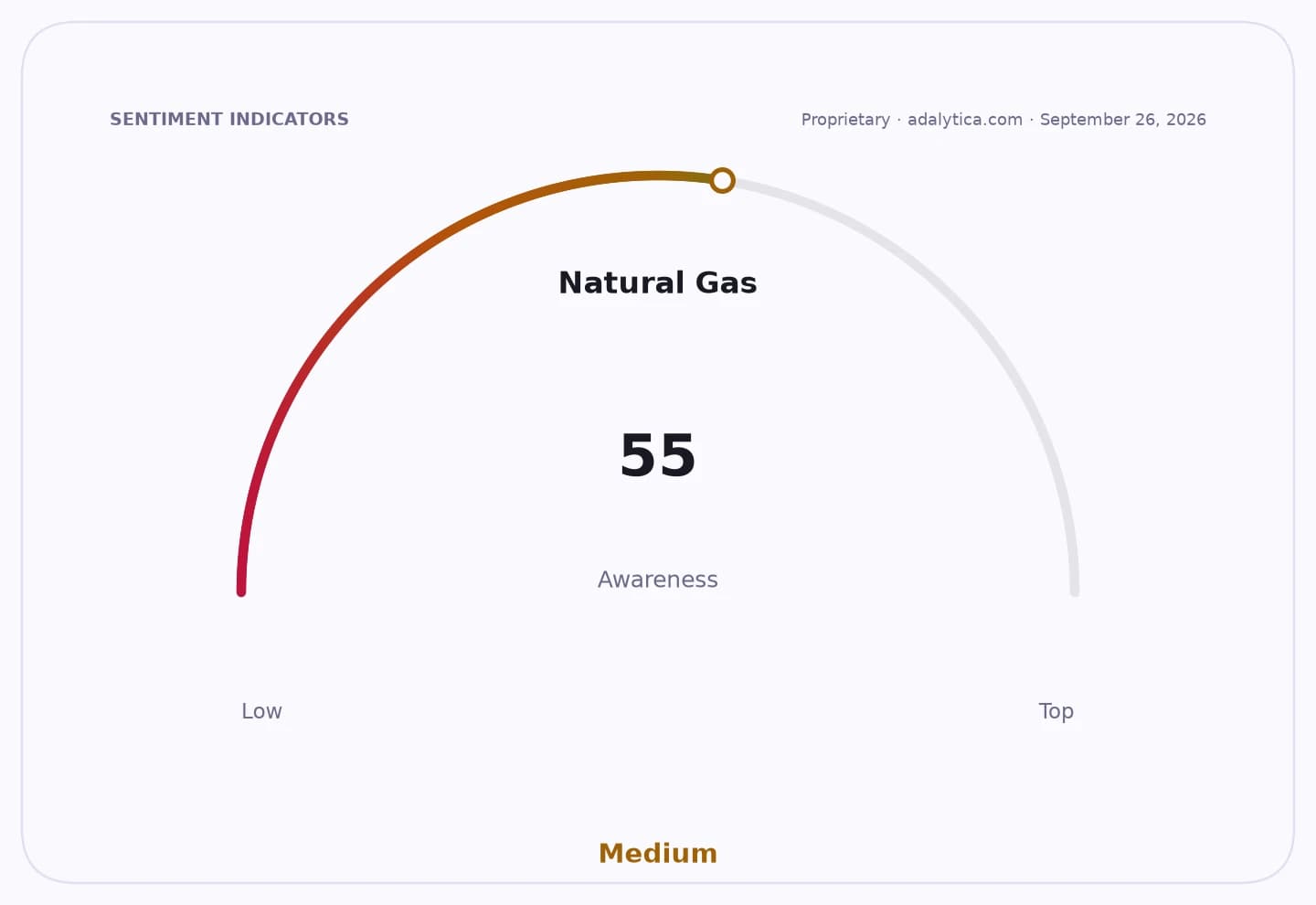
Sentiment IndicatorsⓘProprietary · adalytica.com · July 27, 2026
This is a snapshot — live sentiment, awareness and momentum for 130+ markets update continuously in the dashboard.Open AlphaPulse
The macro backdrop helps explain why. US unemployment is near 4.2%, still low by historical standards, but the broader cost of living remains elevated. Consumer prices are about 40% above their level at the start of the 2020s, and the recent forecast implies only modest further easing in inflation. Even with jobs available, younger workers are navigating rent, food, transport and social spending in an environment where wages have not always kept pace with the jump in prices.
That makes informal borrowing more than a social inconvenience. When young adults are borrowing from peers to cover group dinners, trips or apartment costs, it suggests the first shock absorber in household finances is no longer a savings account but another person. The behaviour also implies a weaker ability to absorb surprises, which can delay milestones such as moving out, buying homes or starting families — all of which feed back into broader consumption patterns and long-term demand in the economy.
Investors should care because this pressure touches several financial sectors at once. Fintech lenders, payment platforms and consumer finance firms all benefit when younger borrowers need credit and payment flexibility, but they also face a customer base that is more rate-sensitive and more likely to be stretched. PayPal, for example, has seen its shares swing sharply this year, while Capital One Financial has recovered from earlier weakness as markets reassessed credit conditions. The common thread is that consumer stress can support demand for credit products even as it raises questions about repayment quality.
The story also underscores a tension in the consumer economy. On the bull case, Gen Z’s willingness to use payment apps and informal borrowing reflects a digitally fluent cohort that will generate future transaction volume and lending opportunities. On the bear case, it signals that younger households are entering adulthood with thinner balance sheets, less room to spend and greater risk of falling behind on obligations if the labor market softens.
Technical indicators in the market picture point to the same mix of recovery and caution. PayPal’s stock has rebounded above its 50-day moving average, but it remains below its 200-day average, suggesting investors are still waiting to see whether growth is durable. Capital One has climbed back toward its 200-day moving average after a weak spring, implying renewed optimism about consumer credit. Those moves matter because lenders tied to younger spending patterns are being judged not just on volume growth but on whether credit demand is healthy or a symptom of strain.
The broader read-through is that Gen Z’s debt habits are becoming a leading indicator of household resilience. If inflation stays sticky and wage gains cool, peer-to-peer debt and buy-now-pay-later use could deepen as stopgap financing for everyday life. That would support transaction-heavy fintechs in the near term, but it would also warn that the youngest consumers — and the businesses that depend on them — are operating with very little financial slack.
| Entity | Gains | Losses |
|---|---|---|
| Fintech/payment platforms | ▲More transaction volume | ▼More credit stress |
| Consumer lenders | ▲Higher borrowing demand | ▼Higher default risk |
| Gen Z borrowers | ▲Short-term liquidity | ▼Long-term financial flexibility |
| Friends/social circles | ▲Shared expenses covered | ▼Unpaid IOUs |