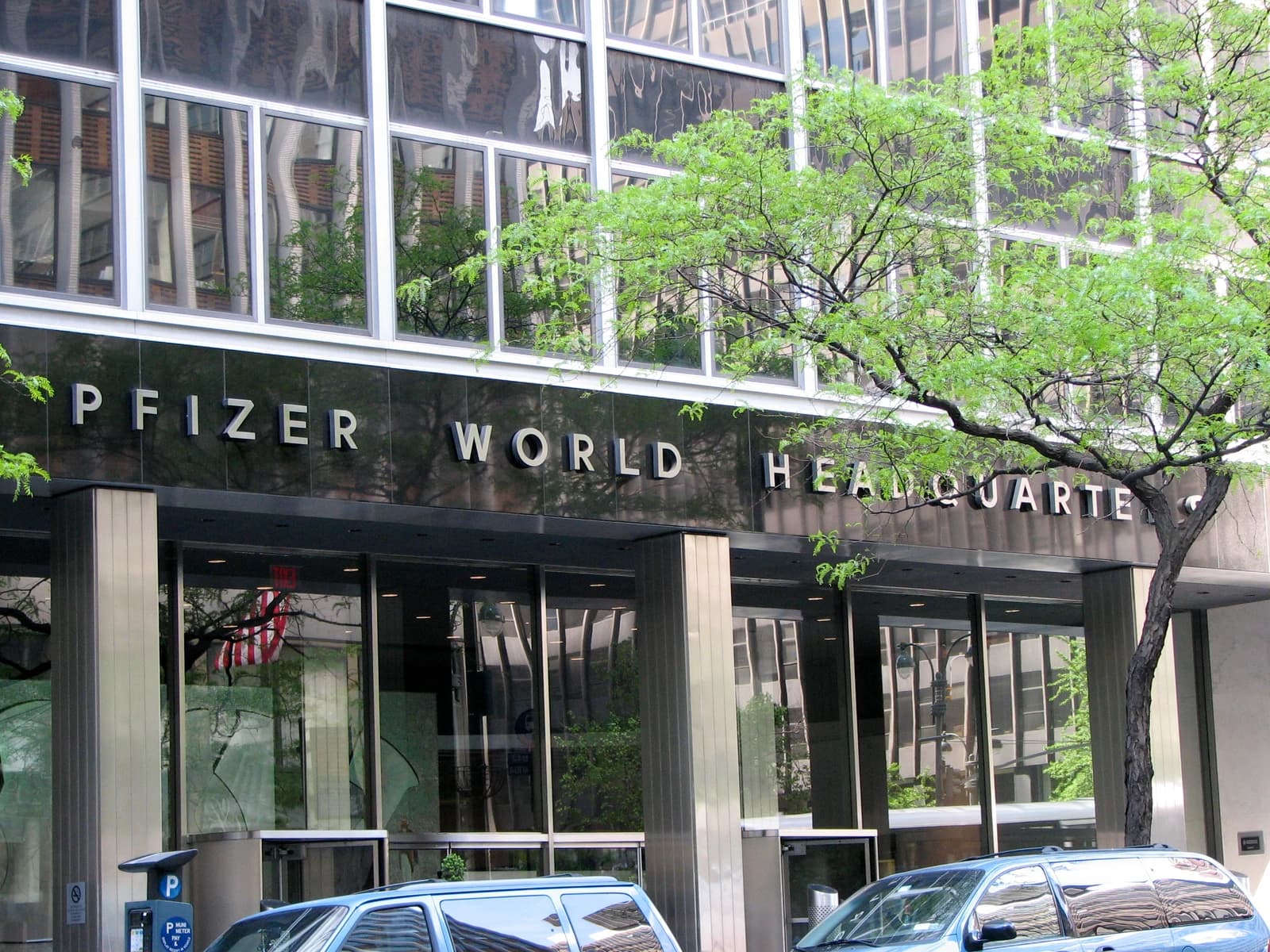
President Donald Trump’s plan to slap a 100% tariff on imported generic drugs from Aug. 1, 2028, with the duty set to double to 200% the following year, threatens to rewire the economics of the U.S. medicine supply chain and raise the stakes for drugmakers that rely on low-cost overseas manufacturing.
Proposed Generic Drug Tariff Pressures Pharma Margins
The policy is designed to force more production onshore by making imported generics far more expensive, but the immediate market impact is less about 2028 than about the message: Washington is willing to use trade barriers against a sector built on thin margins, global sourcing and cost discipline. Generic drugs are one of the most price-sensitive corners of healthcare, so any tariff would eventually filter through distributors, pharmacies and insurers, with the risk of higher costs for patients and payers if companies cannot absorb the hit.
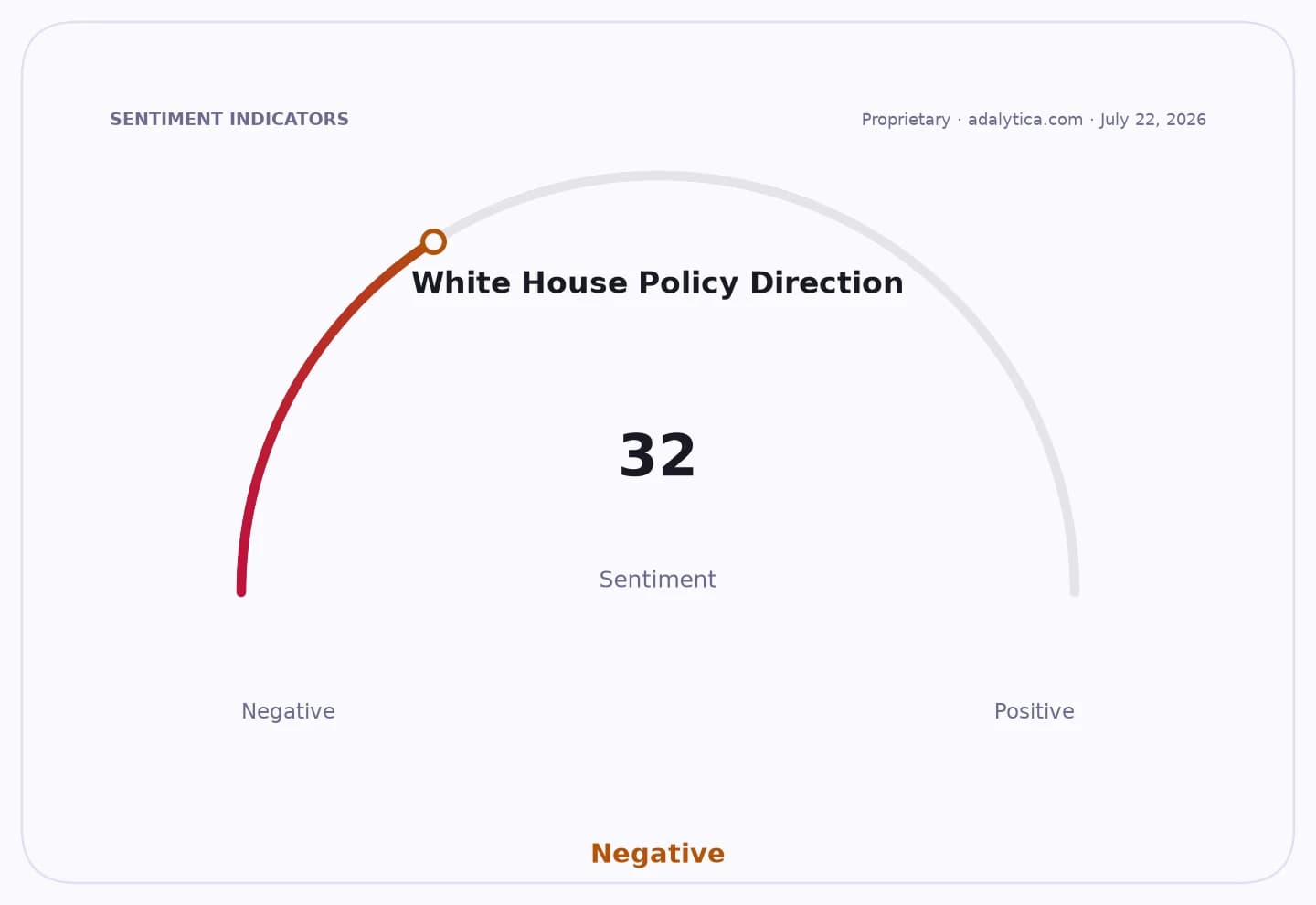
Sentiment IndicatorsⓘProprietary · adalytica.com · July 22, 2026
This is a snapshot — live sentiment, awareness and momentum for 130+ markets update continuously in the dashboard.Open AlphaPulse
That is why investors are watching firms such as Teva Pharmaceutical and Viatris, which have significant generic exposure and have already flagged trade policy as a risk in filings. TEVA shares have been volatile, trading at $31.35 on July 21 after reaching $36.25 in February, while Viatris has climbed to $17.59 from $9.91 in late November, leaving both stocks exposed to a policy that could reshape margins and procurement decisions across the sector.
The broader inflation backdrop also matters. U.S. consumer prices have kept grinding higher, with the CPI at 332.568 in June after a forecast 335.512 in July, while producer prices stood at 286.827 in June and are projected to rise to 295.8433 in July. A tariff on generics would not be the biggest driver of inflation, but it would add pressure to an already sensitive healthcare-cost environment and complicate the Federal Reserve’s job if it feeds through into headline or core medical pricing.
White House Policy Direction vs TEVAadalytica.com
Explore this data interactively — full history, time series and cross-market comparisons.Open AlphaPulse
India, a major supplier of inexpensive medicines to the U.S., is likely to be among the most exposed countries. The move could also benefit domestic manufacturers and companies with more U.S.-based production, but the transition would be expensive and slow, especially in a sector where regulatory approvals, supply redundancy and low pricing have long favored offshore plants.
Market sentiment has turned more defensive around the policy risk. Adalytica’s US White House Policy Direction Sentiment gauge shows neutrality at 32, with awareness at 86, while global stability sentiment sits in “extreme fear” at 4. That points to rising investor attention even before any tariff takes effect.
For now, the key issue is execution: whether the White House follows through on the timing, how broad the definition of “generic drugs” becomes, and whether exemptions or phase-ins are added. The longer the policy stays credible, the more likely drugmakers, distributors and buyers are to start shifting sourcing, inventory and investment plans well before 2028.
| Entity | Gains | Losses |
|---|---|---|
| U.S.-based drug makers | ▲Potentially more local production | ▼Higher operating costs |
| Teva, Viatris | ▲Possible pricing leverage if supply tightens | ▼Margin pressure from tariffs |
| India generic exporters | ▲None | ▼Lost U.S. market access |
| U.S. patients and payers | ▲None | ▼Higher drug costs |