The House passed a spending package that keeps the federal government funded, but the vote exposed a deeper Democratic split over money for Immigration and Customs Enforcement, a fight that could shape the next budget battle and the outlook for detention contractors tied to federal immigration enforcement.
GEO Group, CoreCivic rise on 2024 funding fight
The immediate economic significance is limited to avoiding a shutdown, but the bill extends a fiscal path that keeps Washington spending elevated at a time when deficit and debt concerns remain central to investors. Markets tend to treat shutdown risk as a short-term drag on growth and sentiment, while broader appropriations debates can affect Treasury issuance, yields and the outlook for defense, homeland security and prison-related contractors.
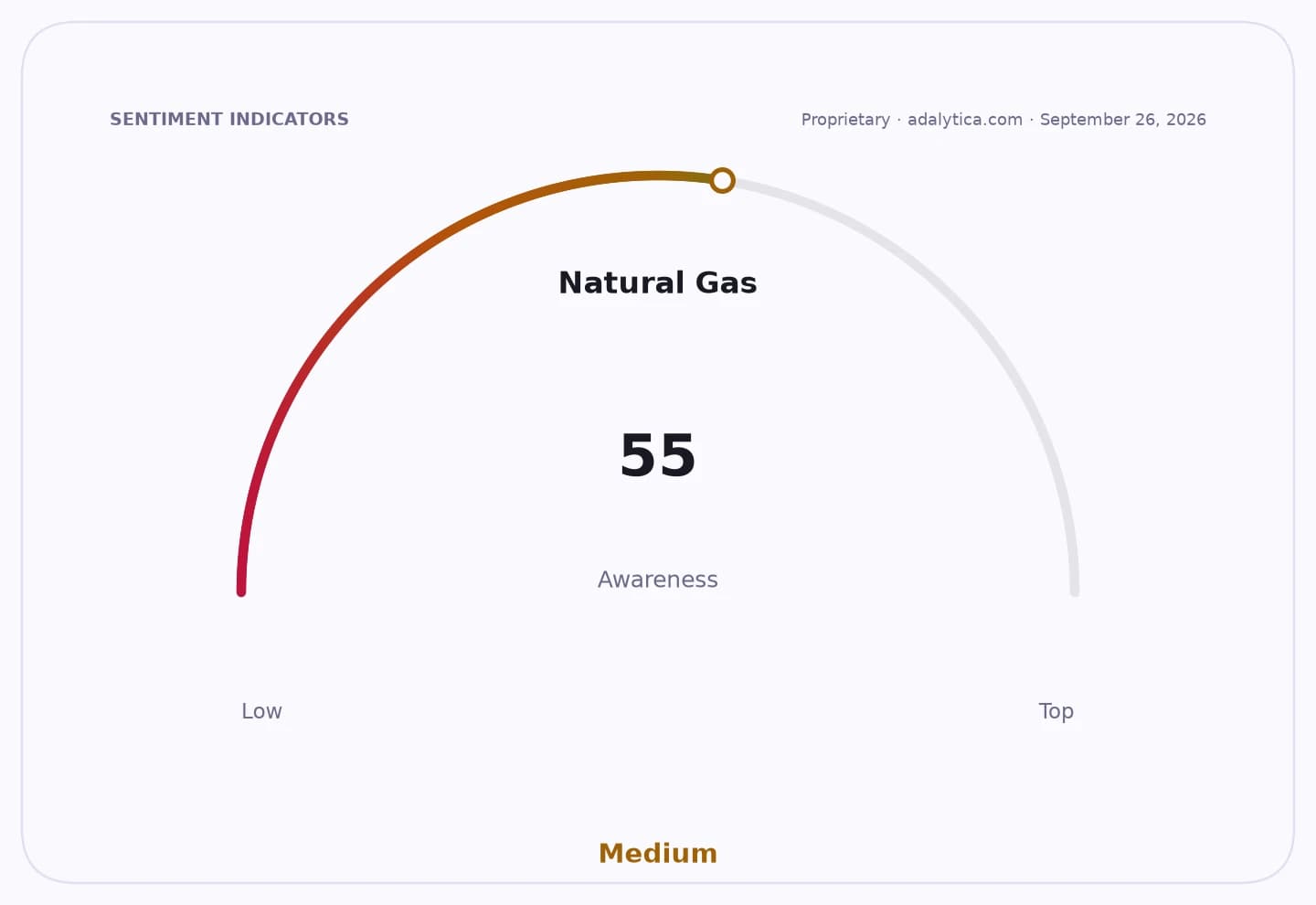
Sentiment IndicatorsⓘProprietary · adalytica.com · July 30, 2026
This is a snapshot — live sentiment, awareness and momentum for 130+ markets update continuously in the dashboard.Open AlphaPulse
The clearest market link is to companies with federal detention and correctional exposure. GEO Group and CoreCivic have both been pulled into the policy debate over immigration enforcement, with GEO in particular describing what it sees as an “unprecedented opportunity” tied to expanded federal priorities. GEO shares closed at $30.48 on Thursday, up sharply from $13.47 in February, while CoreCivic finished at $29.78 after a similar run, reflecting expectations that stricter enforcement could support higher utilization and contract awards.
Those gains have not been straight lines. GEO’s relative strength has cooled from an overbought RSI reading of 87.9 on June 26 to about 50 on Thursday, while CoreCivic’s RSI fell to 29.8, a sign of a recent pullback after the sector’s strong rally. ICE shares, by contrast, have surged to $152.34 from $137.94 in early June, with the stock trading close to its 50-day moving average and above its 200-day average, as investors continue to price in policy-driven demand for enforcement and detention services.
The broader political divide inside the Democratic caucus matters because it highlights how immigration spending is becoming harder to separate from fiscal negotiations. Lawmakers are trying to balance resistance to ICE funding with the need to keep the government open, and that tension raises the odds of recurring stopgap bills rather than a clean, long-term budget deal.
For investors, the next catalyst is whether the Senate accepts the package and whether the funding fight spills into the next round of appropriations. Any hardening of immigration enforcement or larger homeland-security outlays would likely favor GEO, CoreCivic and ICE, while a push to curb ICE spending would pressure the same names and revive shutdown risk across the broader market.
| Entity | Gains | Losses |
|---|---|---|
| House GOP leadership | ▲Avoids shutdown | ▼Faces next funding fight |
| Democrats favoring ICE cuts | ▲Pushes policy objection | ▼Loses leverage in bill |
| GEO Group / CoreCivic | ▲Higher detention demand | ▼Policy rollback risk |
| ICE / homeland security | ▲More funding support | ▼Political backlash |