Georgia’s annual inflation stood at 5.6% in August, keeping price growth well above levels that would usually be considered comfortable for households, businesses and policymakers.
Georgia inflation rises to 5.6% in August

The reading matters because the latest burst of inflation is being driven by the most economy-sensitive parts of the consumer basket: transport, food, housing-related costs and healthcare. That combination tends to erode purchasing power quickly, lift operating costs for firms and complicate the central bank’s task if price pressures prove sticky rather than temporary.
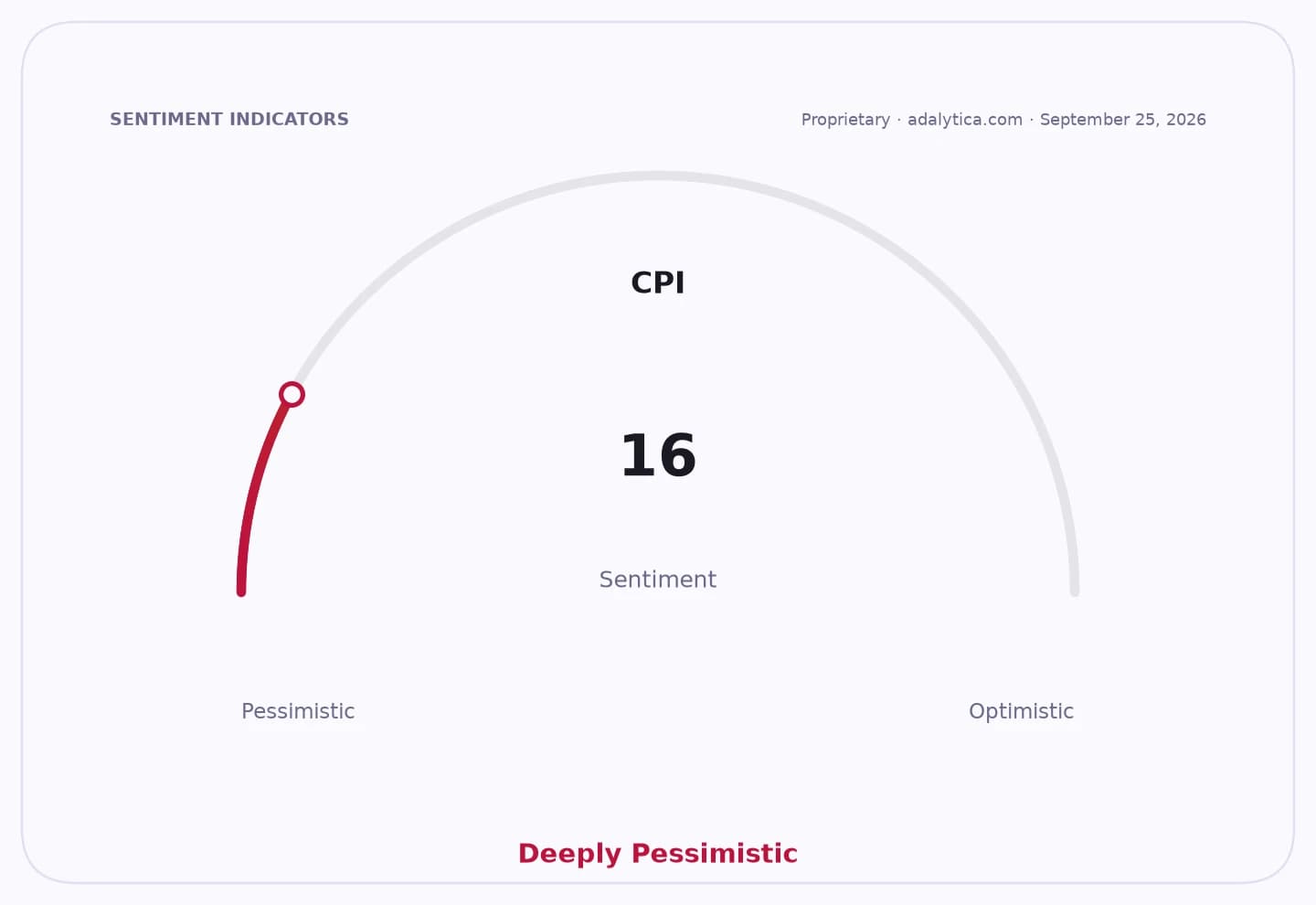
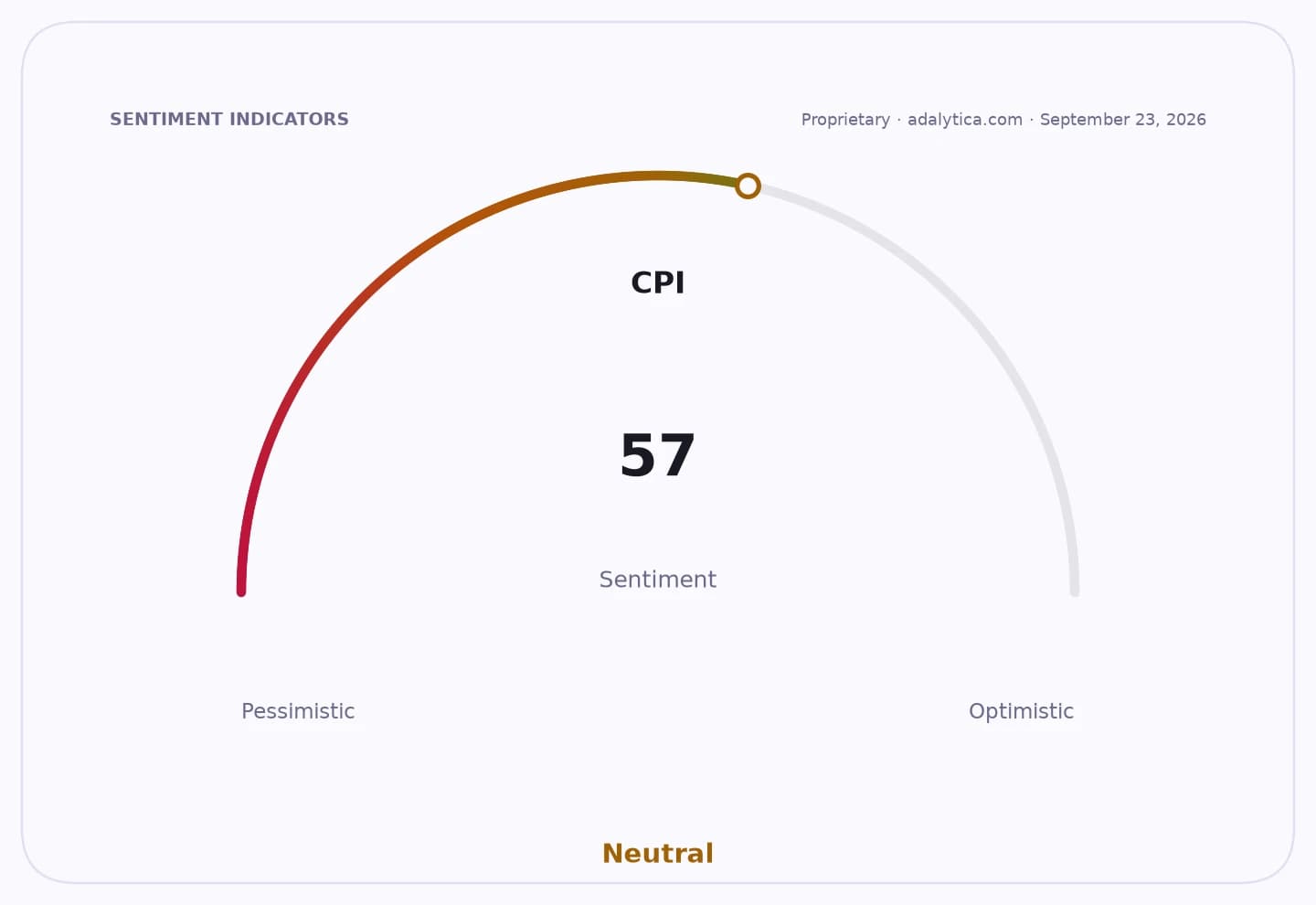
Sentiment IndicatorsⓘProprietary · adalytica.com · September 3, 2026
This is a snapshot — live sentiment, awareness and momentum for 130+ markets update continuously in the dashboard.Open AlphaPulse
According to Geostat, monthly consumer prices rose 0.4% in August, with transport up 2.2% in the month while clothing and footwear fell 2.5%. On an annual basis, transport was the largest contributor to inflation, with prices rising 15.2% and adding 1.81 percentage points to the headline rate. Within that category, the cost of operating personal vehicles jumped 20.8% and transport services rose 12.8%.
Food and non-alcoholic beverages was the next major driver, climbing 5% year on year and contributing 1.72 percentage points. The increase was broad-based across staples including fish, meat products, oils and fats, bread, vegetables, coffee, tea and cocoa. Housing, water, electricity, gas and other fuels rose 8.5% and added 0.82 percentage point, while health care increased 5.2% and contributed 0.44 point.
For investors, the composition matters as much as the headline number. Inflation led by fuel, transport and regulated or semi-regulated utility costs is harder to dismiss as a one-off. It can feed into wage expectations, squeeze consumer spending and keep real interest rates under pressure. That is particularly relevant for local lenders, retailers, transport operators and companies with thin margins, while exporters and firms with dollar-linked revenues may be better insulated than domestic demand plays.
The policy implication is that Georgia’s room to ease monetary conditions remains limited if monthly gains persist. A 5.6% annual rate is not just a backward-looking statistic; it shapes expectations for borrowing costs, credit demand and currency stability. If inflation continues to be driven by transport and food rather than easing in the core categories, the central bank is likely to stay cautious.
The broader narrative is one of sticky household inflation rather than a clean disinflation path. For markets, that keeps pressure on consumer-sensitive equities and raises the bar for any rally built on expectations of lower rates. The next test will be whether energy, food and transport costs stabilize in the coming months or whether August proves to be another sign that inflation is settling at an uncomfortable level.
| Entity | Gains | Losses |
|---|---|---|
| Georgian consumers | ▲None | ▼Real incomes squeezed |
| Transport and fuel-linked businesses | ▲Higher nominal revenues | ▼Cost volatility |
| Central bank | ▲Policy caution justified | ▼Less room to cut rates |
| Import-dependent retailers | ▲Pricing power on essentials | ▼Margin pressure |