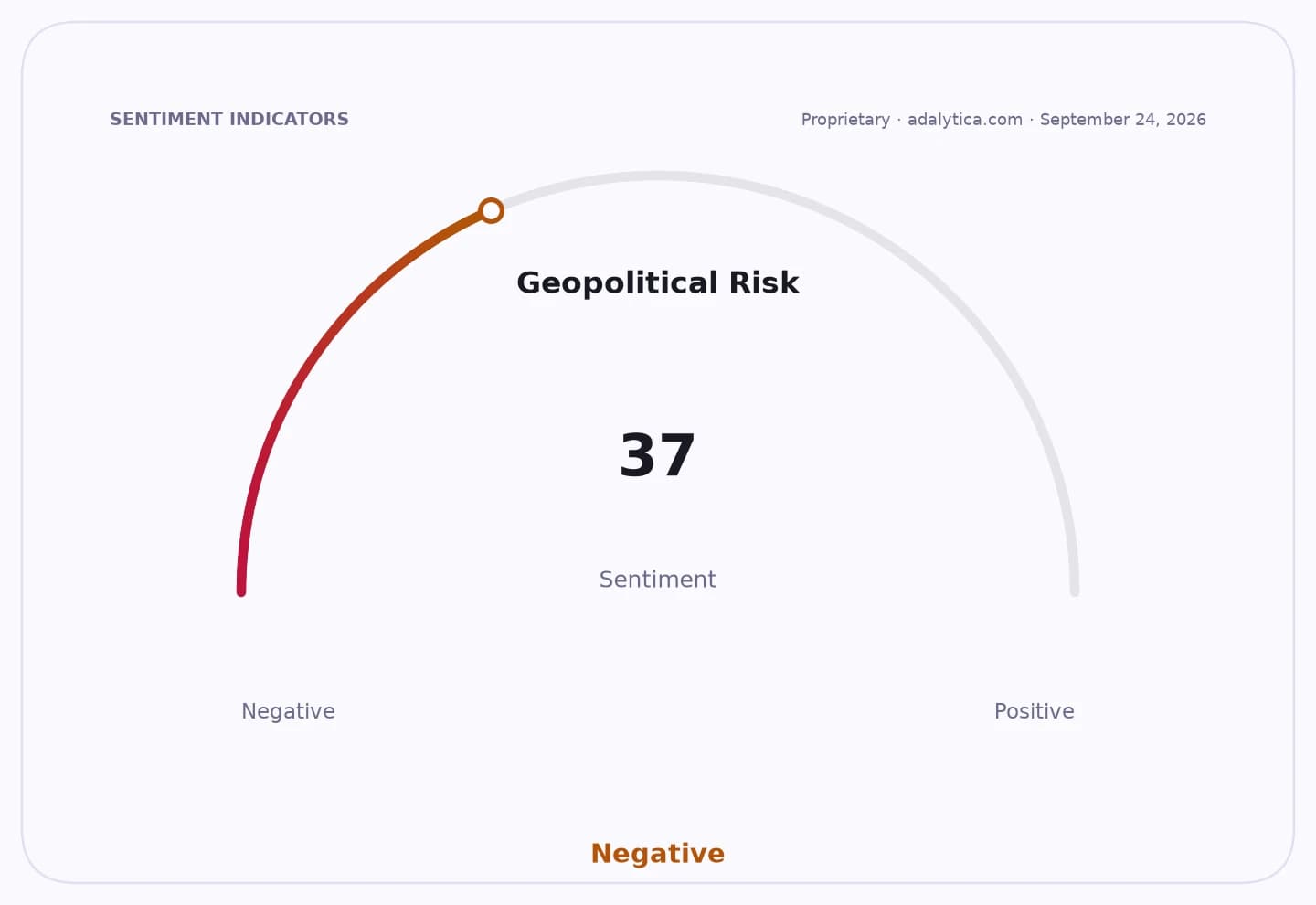
The far right’s lead in Saxony-Anhalt has turned a regional vote into a national market test, reminding investors that Germany’s political center is under strain even as the euro and German equities show little immediate panic.
Germany AfD Saxony-Anhalt Vote Hits Market Watch
That matters because Saxony-Anhalt is not just another state election. A strong AfD result in the east deepens the risk of policy drift, harder coalition math and a more fractured path for Berlin at a time when Europe needs German fiscal, industrial and defense decisions to move faster, not slower. The message for markets is clear: political instability is no longer a peripheral European issue, but a factor that can shape capital allocation, reform momentum and risk premiums across the region.
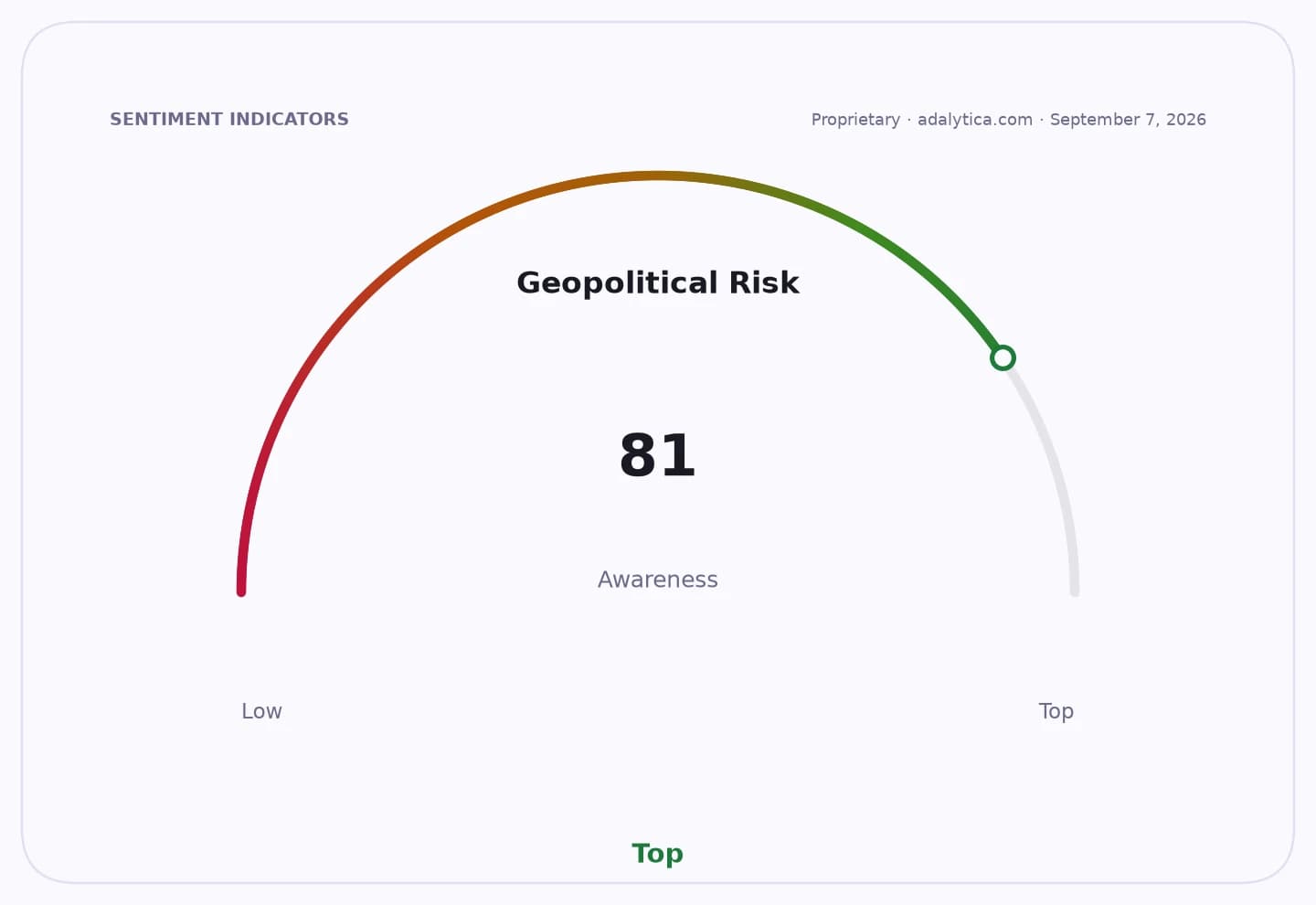
Sentiment IndicatorsⓘProprietary · adalytica.com · September 7, 2026
This is a snapshot — live sentiment, awareness and momentum for 130+ markets update continuously in the dashboard.Open AlphaPulse

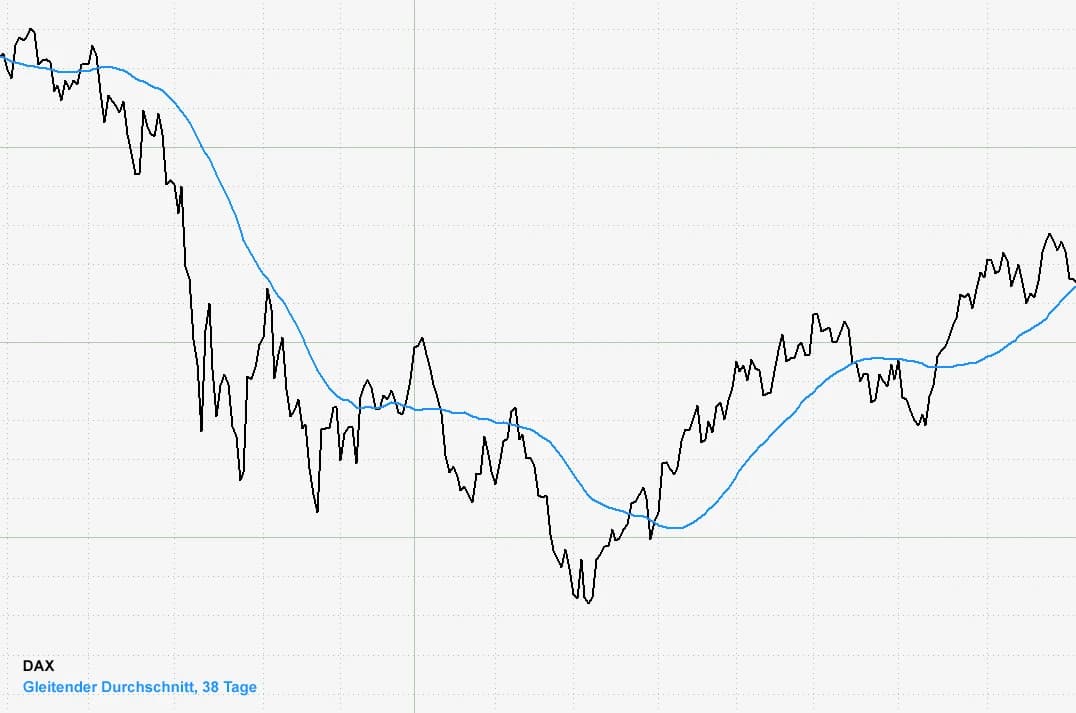
The immediate market read has been restrained. The euro has been bid in recent sessions, with Adalytica’s Euro Trade Signals showing sentiment in “Greed” territory even after a volatile week, suggesting currency traders are still focusing more on rate differentials and broader European positioning than on one state result. Germany-focused exposure, as reflected by the iShares MSCI Germany ETF, has also held near its 50-day and 200-day moving averages, with the latest price at $43.89 and an RSI reading of 49, a sign the market is not yet pricing a full political rerating.
But that calm can be misleading. The real economic significance is what a stronger AfD does to the policy backdrop. Germany is already being asked to shoulder more of Europe’s defense burden, rebuild industrial competitiveness, and support weaker growth with investment. If political fragmentation intensifies, the risk is not an immediate financial shock but a slower, more expensive Germany: delayed spending plans, weaker reform delivery and a greater chance that businesses hold back on investment until the policy path is clearer.
For investors, that creates both hazard and opportunity. The hazard is obvious in domestically sensitive sectors such as German banks, utilities and cyclicals tied to public investment and construction. The opportunity is that political uncertainty can keep a lid on valuations even where long-term fundamentals are improving, especially in exporters and multinational industrials that benefit from a weaker confidence backdrop, a firmer reform push in Brussels, or eventual fiscal loosening if mainstream parties are forced to respond.
The deeper story is that the market may be underestimating how political pressure in Germany can accelerate capital rotation inside Europe. If voters keep drifting toward the AfD in eastern states, Berlin’s mainstream parties will face a sharper incentive to deliver on migration, energy and growth policy. That can ultimately favor defense, infrastructure, grid, automation and industrial-efficiency names that sit closest to any policy response. It also keeps the euro’s medium-term path tied not just to the ECB, but to whether Germany can restore political stability quickly enough to keep Europe’s growth engine credible.
In other words, Saxony-Anhalt is a warning shot, not a trading signal by itself. But for investors looking six to 18 months ahead, the message is to stay selective: own the beneficiaries of a harder European security and investment cycle, and be cautious on Germany’s most policy-sensitive domestic exposures until the political reset becomes clearer.
| Entity | Gains | Losses |
|---|---|---|
| AfD | ▲stronger national momentum | ▼isolation from mainstream coalitions |
| Mainstream German parties | ▲pressure to act on reforms | ▼room to avoid hard choices |
| Defense and infrastructure stocks | ▲bigger policy urgency | ▼if politics delays budgets |
| German domestic cyclicals | ▲eventual stimulus hopes | ▼near-term uncertainty |
| Euro | ▲support from broader Europe trade | ▼if German instability widens |