Germany’s decision to close Russia’s consulate in Bonn and the Russian House in Berlin has sharpened an already brittle relationship with Moscow, raising the risk of further tit-for-tat measures that could spill into wider European security and market sentiment.
Germany closes Russia consulate and Russian House

The immediate economic impact is limited, but the wider significance is not. The shutdowns signal that Berlin is willing to downgrade diplomatic and cultural channels in response to what it sees as Russian hybrid pressure, after Germany linked the latest step to a drone incident at Leipzig airport. Moscow’s response, framed by Russian officials as a “cheap niche provocation,” points to a cycle of retaliation that can erode the last remaining institutional contacts between Europe’s largest economy and Russia.
That matters because diplomacy is not just symbolism in this relationship. Reduced consular and cultural contact makes negotiation harder, weakens crisis communication and increases the chance that incidents are handled through sanctions, expulsions and restrictions rather than de-escalation. Russian Foreign Minister Sergei Lavrov has already said countermeasures are being prepared, including the possible closure of Goethe-Institut branches in Russia. On the German side, Foreign Minister Johann Wadephul said he regretted Russia’s decision but stressed the importance of maintaining mutual understanding between the two peoples.
For investors, the direct market read-through is less about immediate earnings and more about European risk premiums. Heightened Germany-Russia tensions reinforce the case for keeping a geopolitical hedge in portfolios tied to Europe, energy and defense. Any fresh sanctions or retaliatory moves could tighten sentiment around German assets, especially if they feed into broader EU restrictions on Moscow or further disruptions to already fragile East-West links.
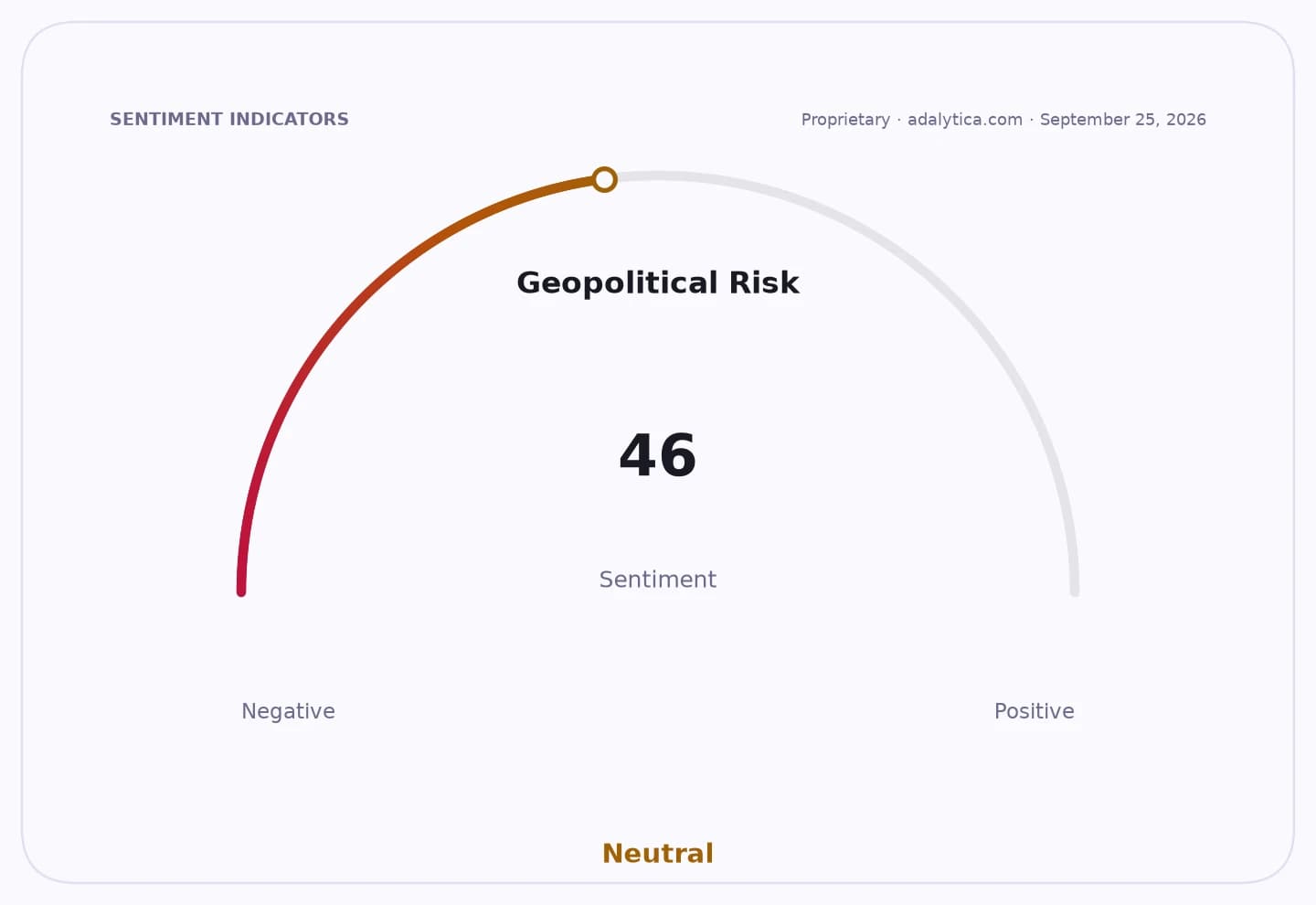
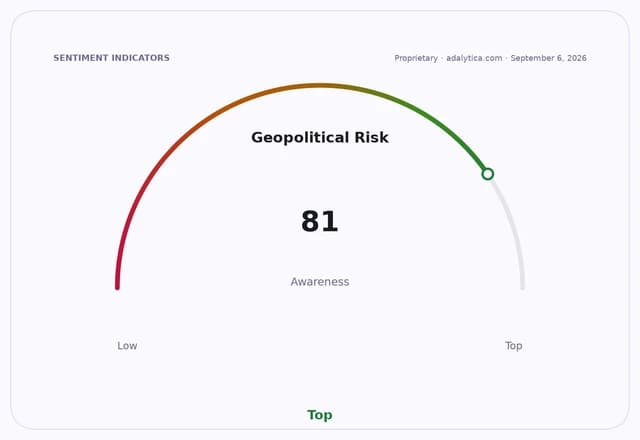
The exchange also lands against a fragile backdrop for European stability. The latest Adalytica Global Stability Sentiment snapshot shows fear at 30, with awareness still elevated at 81, underscoring how quickly geopolitical headlines can shift risk appetite. In market terms, that kind of backdrop tends to support defensive positioning and leave cyclical Europe-sensitive bets vulnerable to headline risk.
Exchange-traded funds tracking Germany and Russia show the divide. The iShares MSCI Germany ETF, EWG, has recently held above its 50-day moving average and its 200-day moving average, suggesting investors are not pricing in immediate systemic damage to German equities. But Russia-linked assets remain absent from the available market data here, reflecting how constrained and opaque that exposure has become since the broader sanctions regime took hold.
For now, the key question is whether this remains a narrow diplomatic spat or becomes another step in the gradual institutional break between Germany and Russia. If both sides continue narrowing official and cultural contact, the economic cost will be felt less in direct trade than in a steadily higher risk premium for Europe.
| Entity | Gains | Losses |
|---|---|---|
| Germany | ▲Signals resolve | ▼Loses diplomatic access |
| Russia | ▲Domestic political messaging | ▼Further isolation |
| European security hawks | ▲Stronger deterrence case | ▼Higher escalation risk |
| Investors in Europe | ▲Limited direct exposure | ▼Higher geopolitical premium |