Germany’s renewed push to harden its energy system after suspected sabotage attacks on the power grid is turning energy security from a policy slogan into a capital-allocation theme, and investors should treat that shift as bullish for oil, gas and critical-infrastructure names.
Germany Energy Security Push Lifts Oil, Gas, Grid
The economic logic is straightforward: when governments start prioritizing resilience over pure cost efficiency, they spend more on backup power, network protection, storage, fuel optionality and dispatchable generation. That tends to support higher structural demand for gas, more investment in grid equipment and more pricing power for companies that can guarantee supply when the system is stressed.
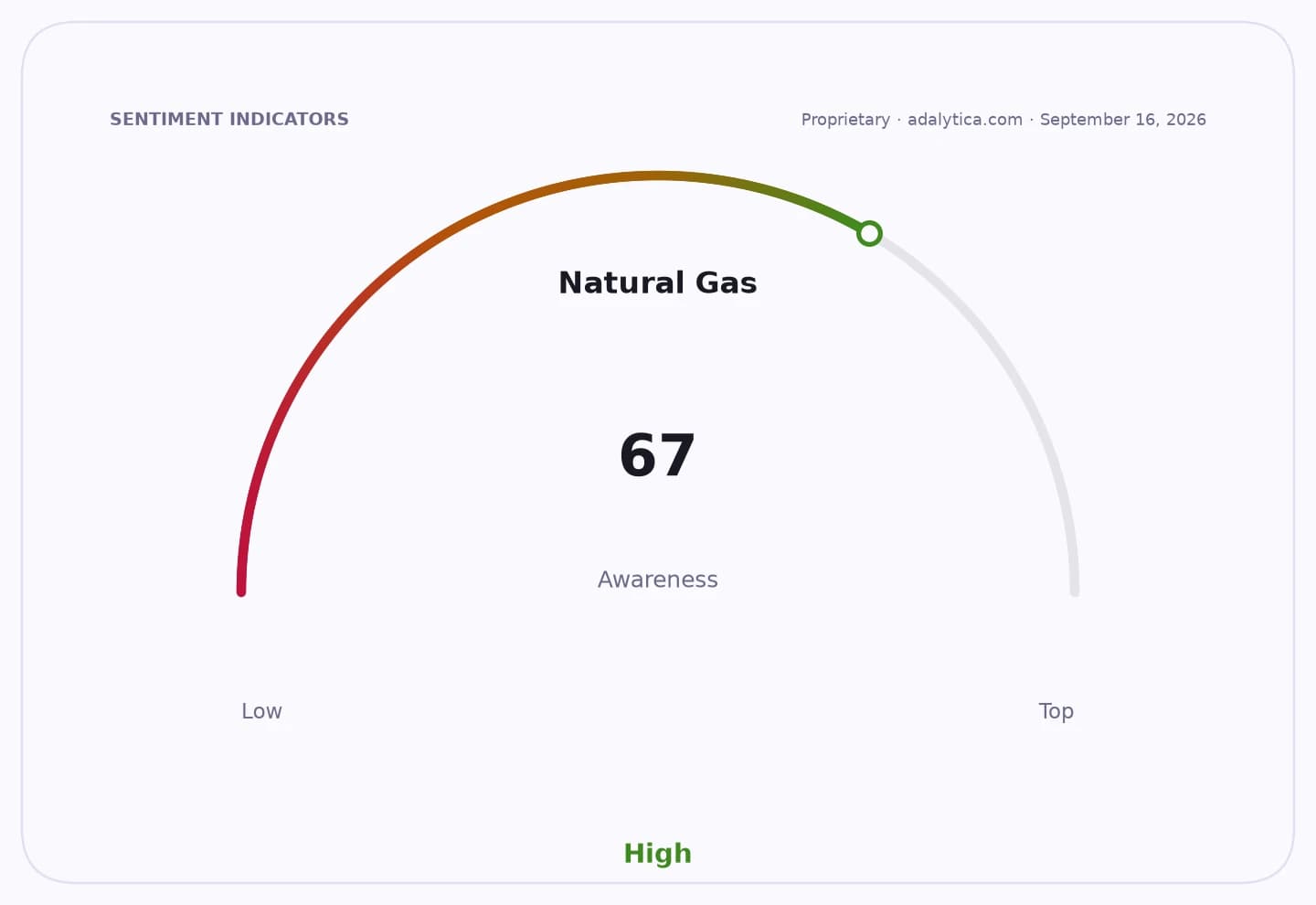
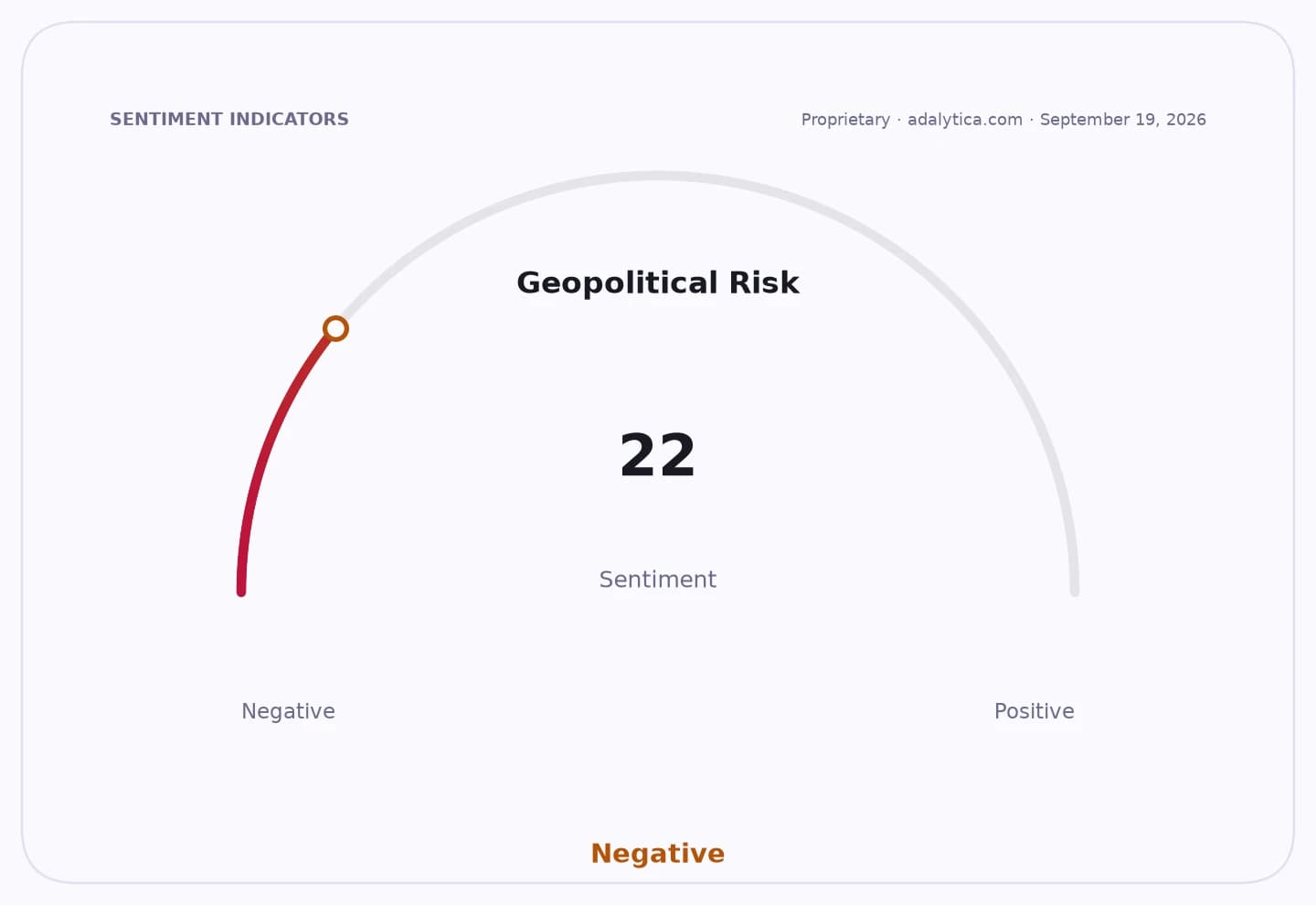
Sentiment IndicatorsⓘProprietary · adalytica.com · September 6, 2026
This is a snapshot — live sentiment, awareness and momentum for 130+ markets update continuously in the dashboard.Open AlphaPulse
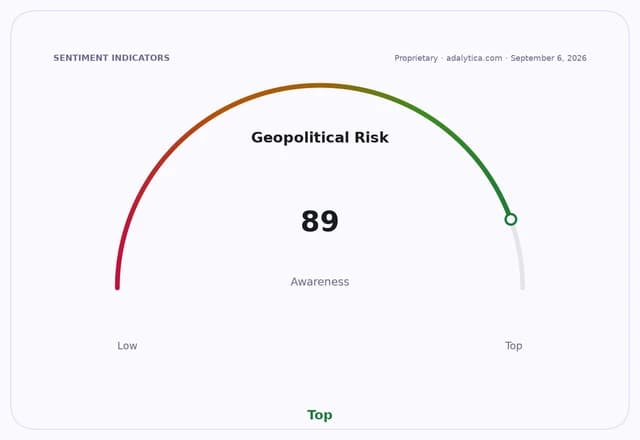
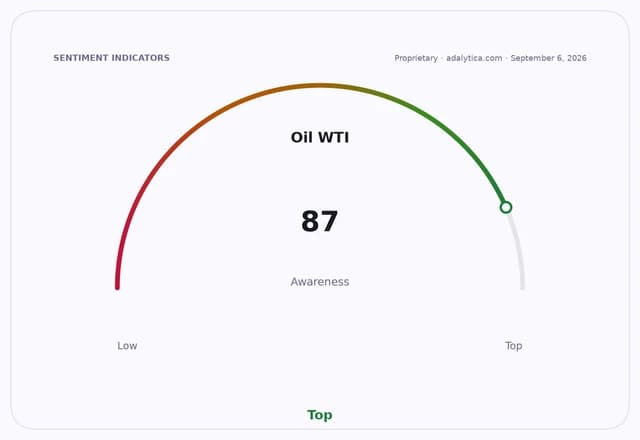
The timing matters. West Texas Intermediate has rebounded to about $91.75 a barrel in the latest forecast, after a volatile year that saw prices swing from below $85 to above $109. USO, the crude proxy, is trading near $142, while the energy equity complex has followed the move higher: XLE sits around $64, up sharply from the mid-$40s late last year, and XOP has surged to roughly $191 from $122. The market is already pricing in a tighter, more geopolitically fragile energy backdrop.
That fragility is the point. Germany’s investigations into open control cabinets and suspicious devices at substations underscore a broader European vulnerability: the energy system is no longer just exposed to supply shocks from wars and sanctions, but to physical disruption at home. In that environment, the value of domestic production, storage, LNG infrastructure and grid security rises. The market underestimates how quickly security budgets can become a recurring capex line, not a one-off response.
For investors, that creates a clear second-order trade. The winners are not just integrated oil majors, but also natural gas producers, pipeline operators, electrical equipment makers and industrial cybersecurity firms tied to critical infrastructure. Companies with exposed import reliance, thin storage buffers or high regulatory friction lose relative appeal when policymakers move from efficiency to redundancy.
Adalytica’s Oil WTI trade signals still show fear in crude even as awareness remains extreme, which tells me the market is aware of the risk but not fully positioned for the policy consequence. That is where the opportunity lies. If Europe responds with stricter legislation, tougher physical security standards and more emergency backup capacity, the earnings tailwind could last far longer than the headlines.
I believe the best way to own this theme is through a basket approach: quality energy producers such as Exxon Mobil and Chevron, U.S. shale exposure through XOP, and the broader energy complex via XLE. If the policy response broadens into infrastructure protection and grid resilience, the next leg higher may come from the picks-and-shovels of energy security, not just the commodity itself.
The real takeaway is simple: sabotage risk is forcing Europe to pay up for resilience, and that is a secular bullish setup for energy and infrastructure investors who move before consensus catches on.
| Entity | Gains | Losses |
|---|---|---|
| European grid security firms | ▲More protection spending | ▼None |
| Oil and gas producers | ▲Higher security-driven demand | ▼Price-sensitive importers |
| XLE / XOP holders | ▲Upward sector re-rating | ▼Underweight energy portfolios |
| Energy importers | ▲None | ▼Higher fuel and compliance costs |