Germany’s far right is pressing for a breakthrough in a regional election, and for markets that matters because political fragmentation in Europe’s biggest economy can slow policymaking just when investors most need stability.
Germany far right election pressure weighs on ETFs
The immediate issue is not a stock price swing or a single policy proposal. It is the possibility that a stronger showing by the far right could make coalition politics even more cumbersome in Berlin and across the states, complicating decisions on energy, fiscal support, industrial policy and migration. For investors, that means more uncertainty around the direction of Europe’s largest exporter and a higher premium on German assets that rely on predictable governance.
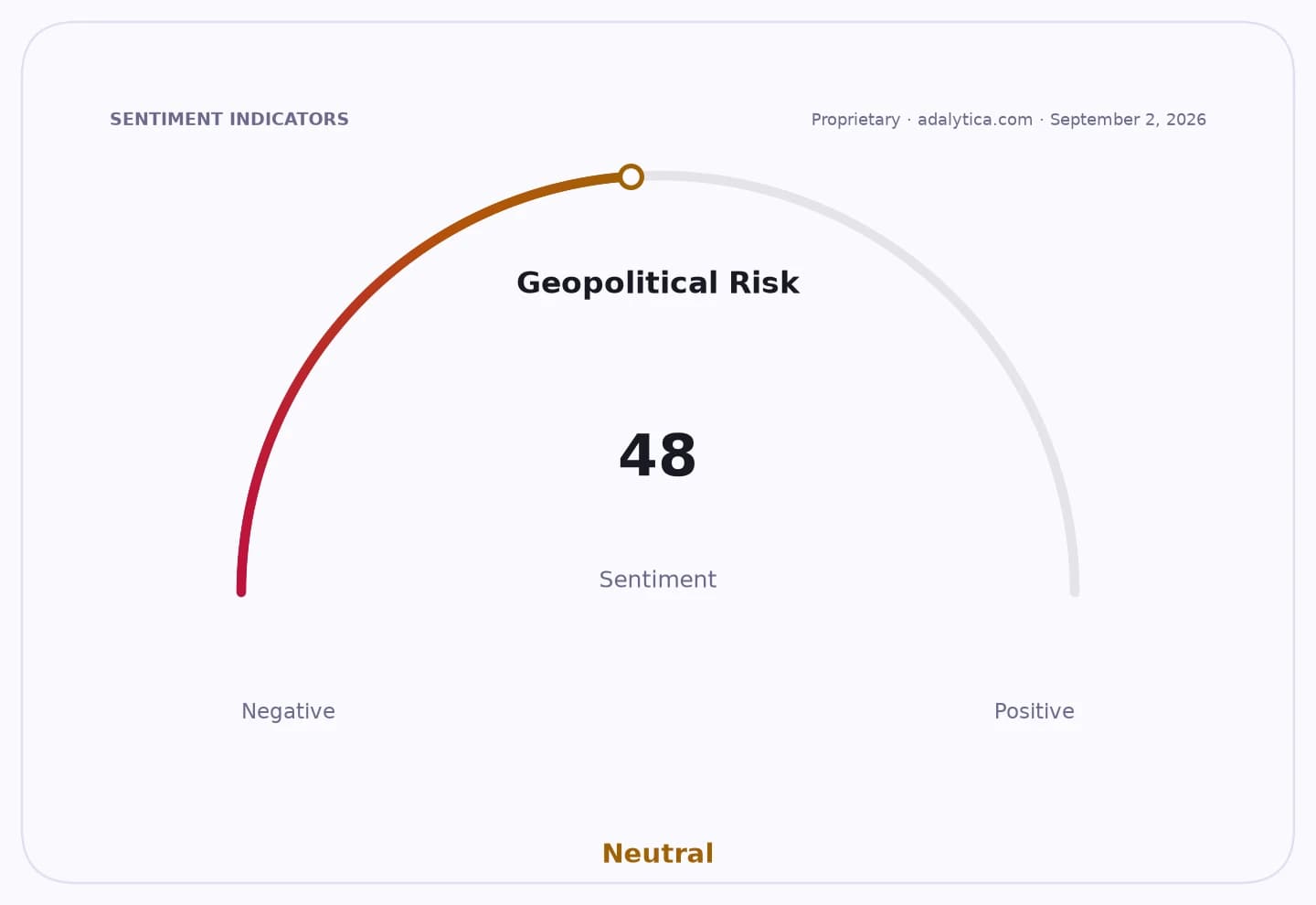
Sentiment IndicatorsⓘProprietary · adalytica.com · September 6, 2026
This is a snapshot — live sentiment, awareness and momentum for 130+ markets update continuously in the dashboard.Open AlphaPulse
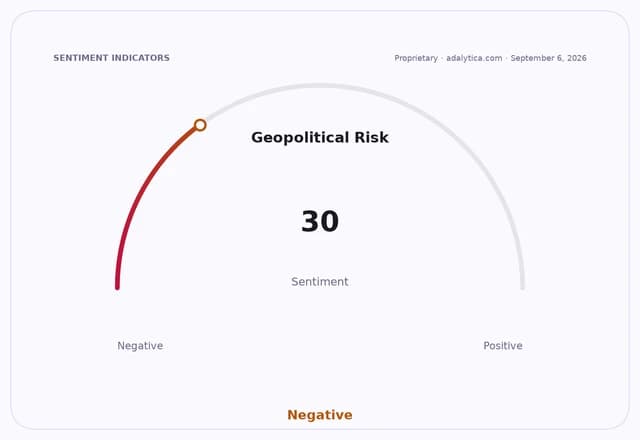
That backdrop helps explain why German and Germany-linked exchange-traded funds have been trading with more caution even as they recover from earlier weakness. The iShares MSCI Germany ETF, EWG, has climbed to about $43.89 from recent lows near $37.45, but it is still moving in a choppy range and its conventional technical gauges show only a tentative recovery. The 50-day moving average sits around $42.75, while the 200-day average is near $41.65, suggesting the fund has repaired some damage but not yet fully escaped the political and macro overhang.
The broader market message is that investors are not pricing in a crisis, but neither are they rushing to embrace German equities with conviction. That is understandable. Germany’s economy remains highly exposed to manufacturing, trade and energy costs, and political drift can delay the kind of reforms that improve competitiveness over time. If regional gains by the far right feed into national momentum, mainstream parties may respond with more defensive coalition-building and less appetite for tough economic changes.
Geopolitical Risk vs EWGadalytica.com
Explore this data interactively — full history, time series and cross-market comparisons.Open AlphaPulse
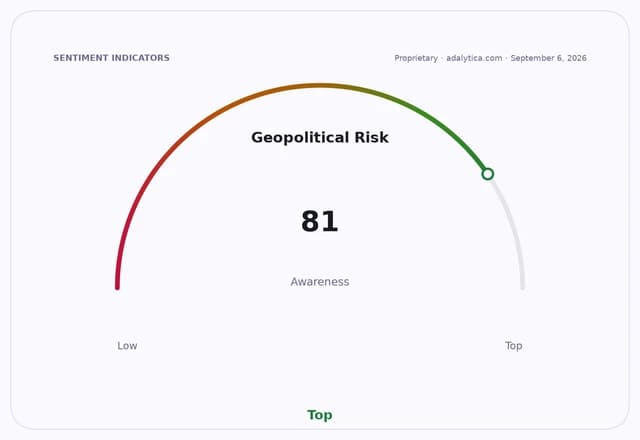
That matters because Germany still anchors confidence across Europe. When Berlin is politically noisy, it can spill into everything from fiscal debates to industrial investment plans. Multinational companies, exporters and banks all prefer a government that can move quickly on budgets, infrastructure and regulation. A more fragmented political landscape can leave those decisions hanging, which is rarely good for valuations.
For long-term investors, the right way to think about this is not as a reason to abandon German exposure, but as a reminder that politics can affect the pace of compounding. Germany still has world-class industrial brands, a deep export base and a central role in the euro area. But the path from economic potential to shareholder returns depends on policy execution, and elections that empower the far right may make that execution harder, not easier.
In other words, this is a story about governance risk, not just votes. If regional results confirm a deeper shift in voter sentiment, investors should expect more market volatility around German assets and more debate over where Europe’s growth engine is headed next. For patient investors, that makes Germany worth watching closely — and worth owning only as part of a diversified portfolio that can absorb political noise.
| Entity | Gains | Losses |
|---|---|---|
| Far-right parties | ▲More leverage | ▼Mainstream rivals |
| Coalition parties | ▲Short-term mobilization | ▼Easier governing |
| German exporters | ▲None immediately | ▼Policy certainty |
| EWG holders | ▲Long-term rebound potential | ▼Near-term volatility |